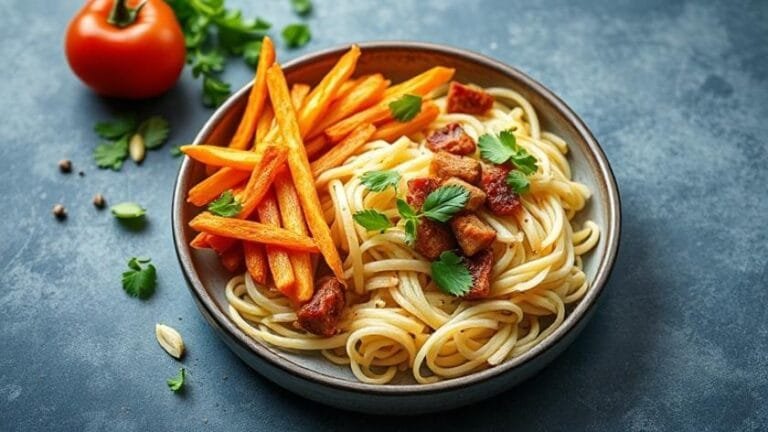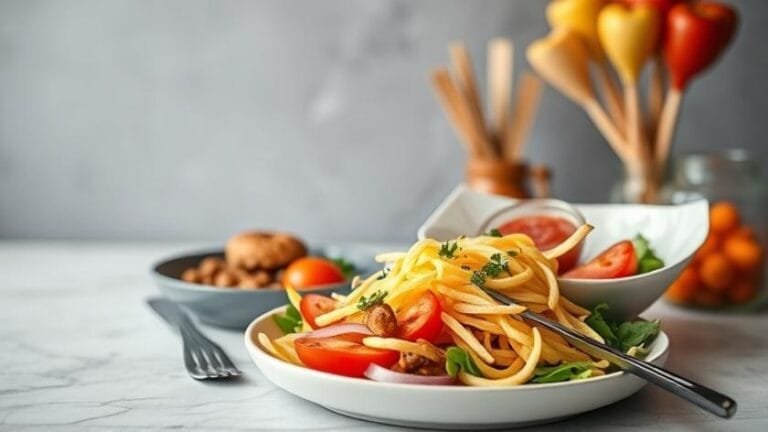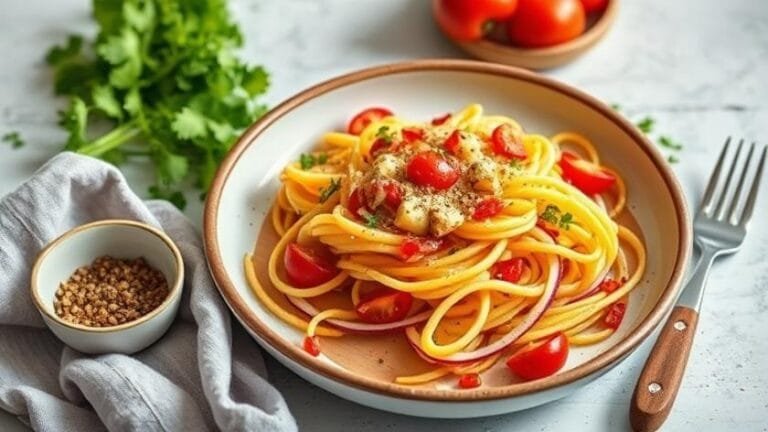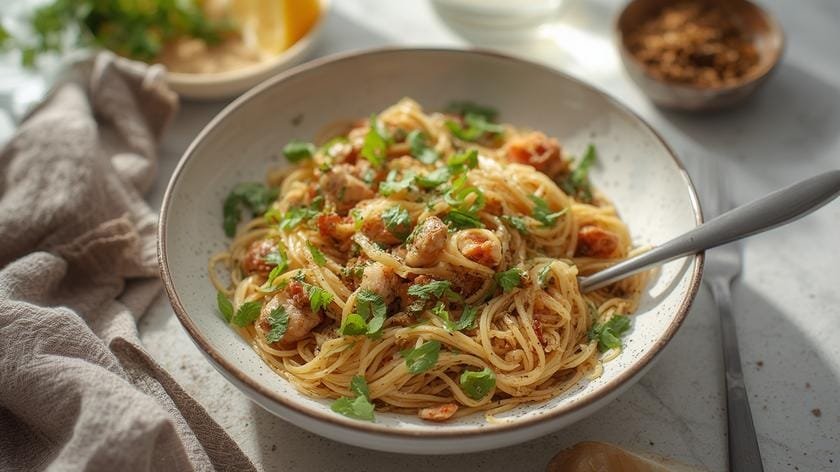
Quick 10 Minute Meals: Fast & Easy Recipes
In today’s fast‑paced world, finding time‑efficient ways to nourish yourself without sacrificing flavor is a constant challenge. Many home cooks turn to 10 minute meals as a practical solution, blending convenience with nutrition so that dinner doesn’t become a last‑minute scramble. By focusing on streamlined techniques, pantry staples, and smart ingredient pairings, it’s possible to create dishes that satisfy both the palate and a tight schedule.
Thank you for reading this post, don't forget to subscribe!Beyond sheer speed, these dishes also encourage mindful planning, reducing food waste and minimizing the stress that often accompanies evening cooking. Whether you’re juggling a demanding career, family responsibilities, or a combination of both, mastering the art of rapid preparation can transform the kitchen from a source of pressure into a space for creativity. Below, you’ll discover a structured approach that turns the concept of 10 minute meals into an everyday habit, supported by reliable methods and evidence‑based tips.
Table of Contents
– Why 10 Minute Meals Work
– Essential Ingredients
– Meal Prep Strategies
– Sample 10 Minute Meals
– Cooking Techniques for Speed
– Nutrition Considerations
– Comparison Table
– FAQ
– Conclusion and Final Takeaways
Why 10 Minute Meals Work {#why-10-minute-meals-work}
The success of rapid‑cook dishes lies in three core principles: ingredient readiness, high‑heat methods, and minimal assembly steps. When vegetables are pre‑washed and pre‑cut, proteins are portioned, and sauces are pre‑measured, the actual cooking time shrinks dramatically. High‑heat techniques such as stir‑frying, searing, and microwaving create a Maillard reaction in seconds, delivering the depth of flavor typically associated with longer cooking periods.
Psychologically, the promise of a finished plate in under ten minutes reduces decision fatigue. A clear, time‑bound goal eliminates the “what should I cook?” paralysis that often leads to ordering takeout. Moreover, the repetitive nature of these processes builds muscle memory, allowing cooks to execute each step almost automatically, further compressing the timeline.
Essential Ingredients {#essential-ingredients}
A well‑stocked kitchen is the backbone of any rapid‑cook system. Below is a curated list of versatile items that can be combined in countless ways:
– Proteins: Canned beans, pre‑cooked chicken strips, tofu cubes, smoked salmon, and frozen shrimp.
– Grains & Starches: Instant rice, quick‑cook quinoa, pre‑cooked couscous, and whole‑wheat tortillas.
– Vegetables: Baby spinach, shredded carrots, frozen mixed stir‑fry blends, cherry tomatoes, and pre‑sliced bell peppers.
– Flavor Builders: Soy sauce, sriracha, lemon zest, smoked paprika, pre‑made pesto, and low‑sodium broth.
– Healthy Fats: Olive oil spray, avocado slices, nuts, and seeds.
By rotating these staples, you can generate a wide variety of dishes without the need for extensive grocery trips. The key is to keep items that have a long shelf life or can be frozen, ensuring that the pantry remains functional even during unexpected busy weeks.
Meal Prep Strategies {#meal-prep-strategies}
Effective preparation is the bridge between a chaotic kitchen and a smooth, ten‑minute execution. Consider the following workflow:
1. Batch‑Prep Core Components (once per week): Cook a large pot of quinoa, steam a tray of mixed vegetables, and portion out proteins into zip‑lock bags. Store each component in the refrigerator for up to five days.
2. Create “Sauce Stations”: Mix small jars of vinaigrette, teriyaki glaze, and garlic‑herb oil. Label them for quick identification.
3. Utilize the Freezer: Freeze individual servings of soups, stews, or marinades. Thaw in the microwave while you finish assembling the rest of the dish.
4. Implement a “Grab‑and‑Go” Layout: Keep the most frequently used items at eye level, with less‑used ingredients on lower shelves. This reduces the time spent searching for tools or spices.
These strategies not only cut down active cooking time but also promote consistency, making it easier to replicate successful meals night after night.
Sample 10 Minute Meals {#sample-10-minute-meals}
Below are three fully fleshed‑out examples that illustrate how the principles above translate into real plates. Each recipe assumes that the core components have already been pre‑prepared.
1. Spicy Shrimp & Veggie Stir‑Fry
– Ingredients: Frozen shrimp (thawed), frozen stir‑fry vegetable blend, pre‑made sriracha‑soy glaze, instant rice.
– Method: Heat a splash of oil in a wok over high heat. Add shrimp and vegetables, stir for 3‑4 minutes. Pour glaze, toss for another minute. Serve over reheated rice.
2. Mediterranean Chickpea Wrap
– Ingredients: Canned chickpeas (drained), baby spinach, pre‑sliced cucumber, feta crumbles, pesto, whole‑wheat tortilla.
– Method: Mash chickpeas with a fork, mix in pesto. Spread onto tortilla, layer spinach, cucumber, and feta. Roll tightly and slice diagonally.
3. Lemon‑Garlic Quinoa Bowl
– Ingredients: Cooked quinoa, pre‑steamed broccoli, smoked salmon, lemon zest, garlic‑herb oil.
– Method: Warm quinoa in microwave (1 minute). Top with broccoli and salmon. Drizzle with oil, sprinkle lemon zest, and serve.
These dishes demonstrate how a handful of ingredients, combined with a focused technique, can produce a balanced, flavorful meal in under ten minutes.
Cooking Techniques for Speed {#cooking-techniques-for-speed}
Mastering a few high‑efficiency methods can dramatically improve your ability to deliver 10 minute meals. Below are the most impactful techniques:
– Stir‑Fry: Keeps food moving, prevents overcooking, and maximizes surface caramelization.
– Microwave “Steam‑In‑Bag”: Place vegetables in a microwave‑safe bag with a splash of water; cook for 2‑3 minutes for instant tenderness.
– One‑Pan Roasting: Use a pre‑heated sheet pan; spread protein and vegetables, roast at 450°F for 8‑10 minutes, stirring halfway.
– Sheet‑Pan “Everything‑In‑One”: Combine grains, protein, and veggies on a single pan; the heat distributes evenly, reducing the need for multiple pots.
By limiting the number of utensils and pans, you also cut down on cleanup time, reinforcing the overall efficiency of the cooking process.
Nutrition Considerations {#nutrition-considerations}
Speed should never compromise health. When designing rapid dishes, keep these nutritional pillars in mind:
– Protein Balance: Aim for at least 20‑30 g of protein per meal to support satiety and muscle maintenance. Incorporate legumes, lean meats, or dairy alternatives.
– Fiber Inclusion: Use whole grains, legumes, and a variety of vegetables to reach 5‑7 g of fiber per serving, aiding digestion and blood‑sugar stability.
– Healthy Fats: Add a modest amount of olive oil, avocado, or nuts to improve nutrient absorption and provide lasting energy.
– Sodium Management: Opt for low‑sodium broth and sauces, or dilute them with water to keep sodium intake within recommended limits.
By adhering to these guidelines, you can enjoy the convenience of rapid cooking while maintaining a diet that supports long‑term wellness.
Comparison Table {#comparison-table}
| Aspect | Traditional Cooking (30‑60 min) | 10 minute meals |
|---|---|---|
| Prep Time | 15‑30 min | 2‑5 min (pre‑prep) |
| Cooking Time | 20‑45 min | 5‑10 min |
| Energy Use | High (multiple burners, oven) | Low (single pan, high heat) |
| Ingredient Waste | Moderate‑High | Low (batch‑prep, leftovers) |
| Skill Requirement | Intermediate‑Advanced | Beginner‑Friendly |
FAQ {#faq}
Can I adapt these meals for a vegetarian diet?
Yes, swap animal proteins for beans, tofu, or tempeh.
Do I need special equipment?
A wok or large skillet, microwave, and a good knife are sufficient.
How long can pre‑cooked grains be stored?
Up to five days refrigerated, or three months frozen.
Is it safe to reheat seafood quickly?
Heat until internal temperature reaches 145 °F; ten minutes is ample.
Will flavor suffer without long simmering?
High‑heat techniques and concentrated sauces preserve taste.
Conclusion and Final Takeaways {#conclusion}
Integrating 10 minute meals into your routine is less about sacrificing culinary depth and more about rethinking workflow, ingredient selection, and cooking methods. By investing a modest amount of time in weekly batch preparation, maintaining a curated pantry of versatile staples, and applying focused high‑heat techniques, you can consistently deliver dishes that are both nutritious and satisfying. The result is a kitchen that supports your lifestyle, reduces stress, and encourages healthier eating patterns without the need for endless planning.
For readers seeking additional inspiration, explore more detailed guides within this article and consider how the outlined strategies align with your personal schedule. Embrace the efficiency of rapid cooking, and let each ten‑minute creation reinforce the habit of mindful, enjoyable meals.
—
If you found these insights useful, feel free to share the article or bookmark it for future reference.