Best Kitchen Organization Tips for a Clutter-Free Cooking Space
The kitchen is often the heart of a home, yet it can quickly become a battleground of countertops, overflowing drawers, and misplaced utensils. When you step into a space where every tool has a home and every surface is clear, cooking transforms from a chore into an act of creativity. Achieving that level of order begins with a thoughtful plan, a willingness to declutter, and the application of proven best kitchen organization tips that address both function and flow.
Thank you for reading this post, don't forget to subscribe!In this guide, we walk through actionable strategies designed to turn any kitchen—big or small—into an efficient, enjoyable workspace. From zoning principles to vertical storage hacks, each section builds on the previous one, ensuring you can implement changes at a comfortable pace while still seeing measurable results. By the end, you’ll have a roadmap that not only incorporates the best kitchen organization tips but also inspires lasting habits for a clutter‑free cooking environment.
## Table of Contents
– Assess Your Kitchen Layout
– Zone‑Based Organization
– Vertical Storage Solutions
– Drawer and Cabinet Optimisation
– Smart Appliance Placement
– Seasonal Rotation & Decluttering
– Comparison of Key Storage Solutions
– FAQ
– Conclusion & Final Takeaways
Before introducing any new system, take a step back and map the existing flow of your kitchen. Observe how you move between the sink, stove, and refrigerator—the classic “working triangle.” Measure countertop real estate, note the height of upper cabinets, and catalog the types of storage you already have (pull‑out shelves, deep drawers, open racks). This audit reveals bottlenecks, such as a lack of accessible cutting‑board space or an overburdened pantry.
Create a simple sketch—hand‑drawn or using a free digital tool—and label each zone (prep, cooking, cleaning, storage). When you can visualise gaps, you can apply targeted best kitchen organization tips that complement, rather than disrupt, your current layout. For instance, if the prep zone feels cramped, consider installing a magnetic strip for knives or a hanging rack for frequently used utensils.
Dividing the kitchen into functional zones eliminates the need to search for items mid‑recipe. Typical zones include:
| Zone | Primary Activities | Suggested Storage |
|——|——————-|——————-|
| **Prep** | Chopping, mixing, measuring | Cutting‑board rack, measuring‑cup drawer inserts |
| **Cooking** | Stovetop work, pan handling | Pot‑rack rail, spice carousel |
| **Cleaning** | Dishwashing, waste disposal | Under‑sink caddies, pull‑out trash bins |
| **Storage** | Food, appliances, bakeware | Pull‑out pantry, adjustable shelving |
Allocate each zone a dedicated “home” for its tools. For example, store all baking sheets together in a vertical file in the bakeware drawer, and keep oil dispensers near the stove on a heat‑resistant mat. This approach reduces the mental load of remembering where something lives and aligns perfectly with the best kitchen organization tips philosophy.
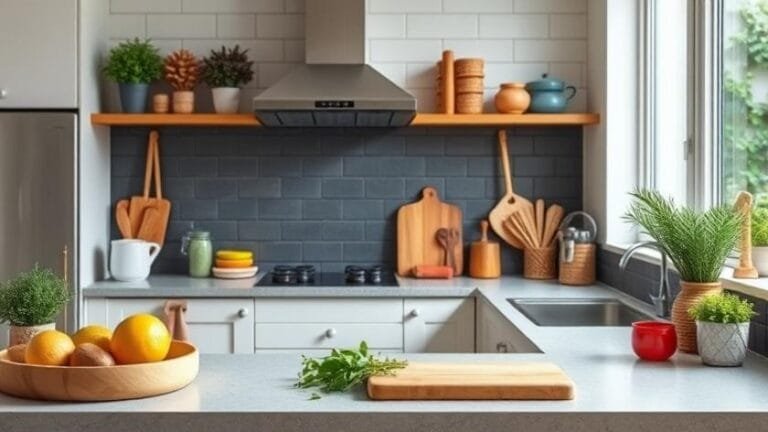
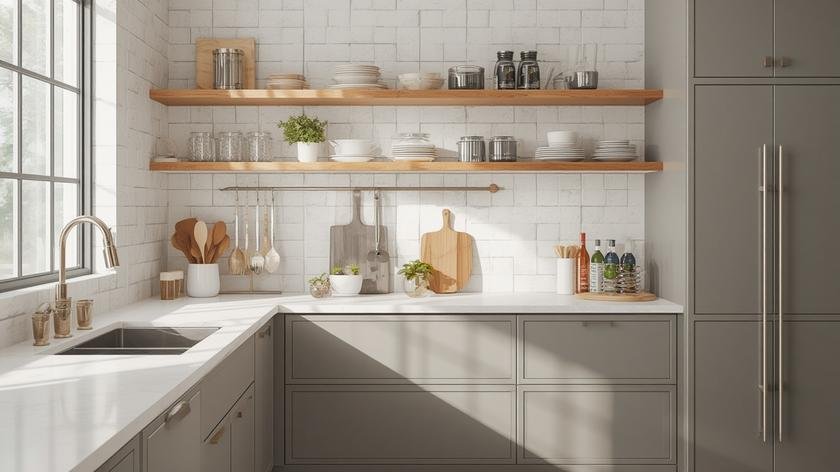
When floor space is at a premium, look upward. Empty wall space, the interior of cabinet doors, and the space above the fridge are prime real estate.
* **Wall‑Mounted Rails** – Install a stainless‑steel rail to hang ladles, spatulas, and even pot lids.
* **Cabinet‑Door Racks** – Attach slim racks on the inside of pantry doors for cutting boards or cling‑film rolls.
* **Ceiling‑Mounted Hooks** – Ideal for pot‑hangers in large kitchens; they keep heavy cookware off the floor and within arm’s reach.
These vertical strategies not only free up countertop area but also add an aesthetic element that showcases an organized kitchen. For a deeper dive into leveraging walls, learn how to integrate functional wall art while keeping your space tidy.
## Drawer and Cabinet Optimisation
Drawers are the silent workhorses of any kitchen, yet they often become black holes for utensils and gadgets. Implement the following steps:
1. **Empty & Sort** – Pull every drawer out, discard broken items, and group by function.
2. **Insert Dividers** – Adjustable bamboo or plastic dividers create compartments for knives, spoons, and gadgetry.
3. **Label Sections** – Use minimalist labels or magnetic tags to remind everyone where each tool belongs.
Cabinets benefit from pull‑out shelves, tiered organizers for spices, and clear bins for snack packages. When organizing pantry staples, apply the kitchen storage ideas of “front‑to‑back” placement: keep everyday items at eye level, reserve the top shelf for bulk goods, and slide seldom‑used appliances to the bottom.
Appliances can dominate a kitchen’s visual and functional space. To keep them from becoming obstacles:
* **Stackable Units** – Microwaves can sit atop coffee makers when a sturdy platform is used.
* **Rolling Carts** – A narrow, wheeled cart holds a toaster, blender, and small mixer, and can be moved when extra counter space is needed.
* **Under‑Counter Appliances** – Consider a built‑in dishwasher drawer or a pull‑out trash compactor to maintain a sleek surface.
By treating appliances as flexible components rather than permanent fixtures, you preserve the flow of your zones while abiding by the best kitchen organization tips that stress adaptability.
## Seasonal Rotation & Decluttering
A kitchen that reflects the current season’s cooking habits stays relevant and organized. Conduct a quarterly review:
* **Remove Out‑of‑Season Items** – Pack holiday‑specific bakeware or summer grilling tools in labeled bins and store them in a closet or attic.
* **Rotate Pantry Stock** – Place winter‑heavy soups and stews toward the front of the pantry, moving them back as the season changes.
* **Donate or Recycle** – Any duplicate gadgets or cracked containers should be donated or responsibly recycled.
Consistent rotation prevents accumulation and reinforces the habit of only keeping what you truly use, echoing the core principle of the best kitchen organization tips methodology.
## Comparison of Key Storage Solutions
| Solution | Pros | Cons | Best For |
|---|---|---|---|
| Pull‑Out Pantry Shelves | Easy access, maximizes deep cabinet space | Higher upfront cost | Large, deep cabinets |
| Spice Carousel | Visibility, compact | Limited to small containers | Small kitchens, limited spice collection |
| Magnetic Knife Strip | Saves drawer space, decorative | Only for magnetic knives | Open‑concept kitchens |
| Under‑Sink Caddy | Organises cleaning supplies, slides out | May not fit irregularly shaped bottles | Standard cabinets with plumbing |
| Rolling Appliance Cart | Mobility, adds extra workspace | Requires floor clearance | Multi‑family homes, flexible layouts |
Use this table to decide which tools align with your kitchen’s dimensions, budget, and daily workflow.

**Q: How often should I revisit my kitchen organization plan?**
A: Every three months, or when you notice new clutter patterns.
**Q: What’s the most effective way to store lids?**
A: Use a tiered lid organizer inside a cabinet door.
**Q: Can I keep a pantry without shelves?**
A: Yes, use clear bins and rolling carts for flexibility.
**Q: How do I prevent drawer clutter from returning?**
A: Place a single‑use bin inside each drawer for “reset” at week’s end.
**Q: Are magnetic strips safe for all knives?**
A: Only knives with a ferrous base; avoid ceramic or ceramic‑coated blades.
**Q: Should I store spices in the fridge?**
A: No—keep them in a cool, dark cabinet for optimal flavor.
## Conclusion & Final Takeaways
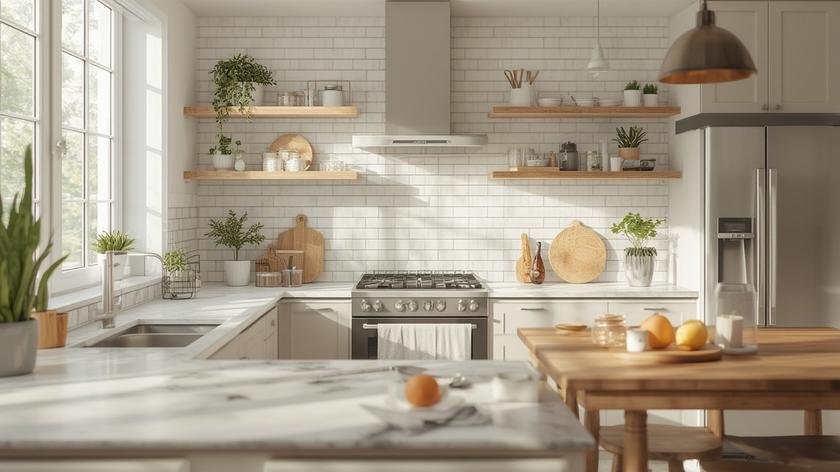
A well‑organized kitchen is less about buying expensive gadgets and more about mastering systematic habits that respect the space you have. By assessing your layout, defining functional zones, exploiting vertical storage, fine‑tuning drawers and cabinets, positioning appliances intelligently, and committing to seasonal rotation, you embed the best kitchen organization tips into daily life.
Remember that organization is iterative—small adjustments compound into a smoother cooking experience. For ongoing inspiration and community‑tested methods, explore additional resources such as this search result: Best Kitchen Organization Tips for a Clutter-Free Cooking Space. Implement, review, and enjoy a kitchen that finally works for you.