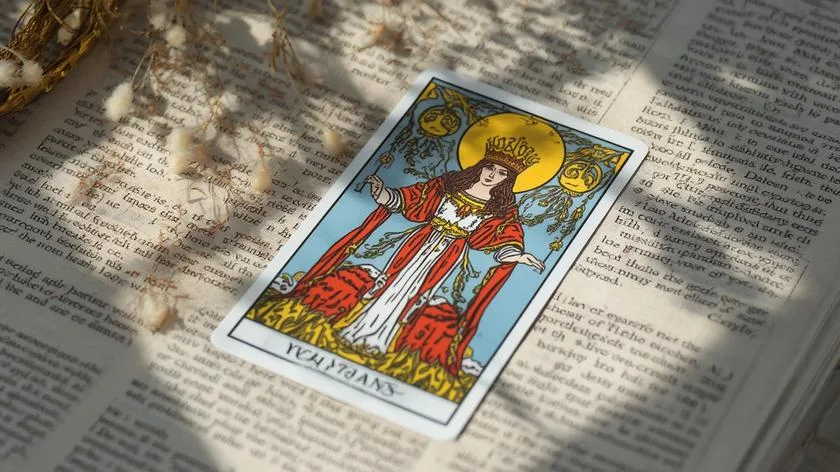
Daily Tarot Card Meanings: Unlock the Secrets of the Cards
Many people turn to the tarot as a gentle compass for navigating the ebb and flow of everyday life. By drawing a single card each morning, readers can capture a snapshot of the day’s prevailing energy and align their intentions with the subtle guidance the deck offers.
Thank you for reading this post, don't forget to subscribe!Understanding daily tarot card meanings provides a structured way to translate symbolism into actionable insight, helping you move through challenges with clarity and confidence. This practice can become a ritual that grounds you, enhances self‑awareness, and supports personal growth.
## Table of Contents
- Understanding the Basics
- Setting Up a Daily Routine
- Interpreting the Minor Arcana for Daily Guidance
- Major Arcana Themes for the Day
- Integrating Card Insights with Personal Goals
- Practical Tips for Accurate Daily Readings
- Comparison of Popular Daily Tarot Methods
- Frequently Asked Questions
- Conclusion and Final Takeaways
## Understanding the Basics {#understanding-the-basics}
The tarot deck consists of 78 cards divided into the Major Arcana (22 cards) and the Minor Arcana (56 cards). Each card carries distinct symbolism, archetypal narratives, and emotional resonances. When you pull a card for the day, you are essentially inviting the archetype represented by that card to inform the day’s context.
A solid grasp of the core imagery—such as the upright versus reversed positions, elemental affiliations, and traditional keywords—forms the foundation for interpreting daily tarot card meanings. Beginners often start by memorizing the primary meanings, then gradually layer personal intuition and situational nuance.
## Setting Up a Daily Routine {#setting-up-a-daily-routine}
Consistency is key. Choose a quiet moment—preferably before you begin your daily tasks—and follow a simple three‑step process:
1. **Center yourself**: Take three deep breaths, focus on a question, or state a clear intention.
2. **Draw a card**: Use a single‑card spread, shuffling with mindfulness.
3. **Record your impression**: Write down the card, its keywords, and any immediate feelings in a journal.
Over time, this ritual builds a personal archive that reveals patterns, cycles, and recurring themes. For those who crave additional structure, Tarot Card Readings can be scheduled at sunrise, lunchtime, and sunset, creating a tri‑daily feedback loop.
## Interpreting the Minor Arcana for Daily Guidance {#interpreting-the-minor-arcana}
The Minor Arcana is split into four suits—Wands, Cups, Swords, and Pentacles—each linked to an element and a domain of experience.
### Wands (Fire)
Wands indicate action, creativity, and initiative. A daily Wands card often signals a spark of inspiration or a call to start something new. For example, the **Ace of Wands** encourages you to chase a fresh idea, while **Ten of Wands** warns of burnout if you take on too much.
### Cups (Water)
Cups speak to emotions, relationships, and inner reflections. Drawing the **Two of Cups** may highlight a harmonious partnership, whereas the **Five of Cups** suggests a need to process disappointment and shift perspective.
### Swords (Air)
Swords focus on intellect, conflict, and decision‑making. The **Three of Swords** could foreshadow a difficult conversation, while the **King of Swords** advises clear, rational thinking.
### Pentacles (Earth)
Pentacles relate to material matters, work, and stability. **Six of Pentacles** indicates generosity or receiving support, while **Nine of Pentacles** celebrates self‑sufficiency and reward for hard work.
By aligning the suit’s elemental theme with your daily circumstances, you can extract precise guidance without over‑complicating the reading.
## Major Arcana Themes for the Day {#major-arcana-themes}
When a Major Arcana card appears, its influence usually outweighs the suits, pointing to a larger, perhaps karmic, lesson.
– **The Fool**: Embrace spontaneity and trust the unknown.
– **The Magician**: Harness resources; it’s a day for manifestation.
– **The High Priestess**: Prioritize intuition over logic.
– **The Tower**: Anticipate abrupt change; stay adaptable.
Because Major Arcana cards often carry profound narrative arcs, noting their recurrence in your journal can illuminate long‑term developmental trends.
## Integrating Card Insights with Personal Goals {#integrating-card-insights}
A tarot reading gains practical value when tied to concrete objectives. Follow these steps to bridge symbolism and action:
1. **Identify the core message**: Summarize the card in one sentence.
2. **Map to a goal**: Link that sentence to a specific aim—e.g., “Focus on clear communication” maps to a work presentation.
3. **Create an actionable task**: Draft a single, measurable step you can complete before the day ends.
For instance, if the **Eight of Pentacles** appears, your actionable task might be “Allocate two hours to refine the project proposal.” This systematic approach turns abstract guidance into tangible progress.
learn more about this approach as you refine your personal workflow.
## Practical Tips for Accurate Daily Readings {#practical-tips}
– **Avoid “card‑shopping.”** Choose the first card that surfaces after your intention; over‑shuffling can dilute the energetic draw.
– **Stay neutral.** Observe the card without forcing a meaning; let the symbols speak.
– **Use a journal template.** Include sections for “Card,” “Keywords,” “Initial Feeling,” and “Action Step.”
– **Revisit past entries weekly.** Look for patterns that may inform larger decisions.
– **Limit external influence.** Perform the draw away from screens or noisy environments to maintain focus.
When practiced consistently, these habits enhance the reliability of daily tarot card meanings and nurture a deeper connection with the deck.
explore further reading techniques to expand your skill set.

## Comparison of Popular Daily Tarot Methods {#method-comparison}
Below is an evaluation table that contrasts three common approaches: Single‑Card Draw, Three‑Card Spread (Past‑Present‑Future), and the “Card‑of‑the‑Day” Calendar Method. Each method is scored on five criteria relevant to daily practice.
| Method | Time Required | Depth of Insight | Ease of Tracking | Flexibility | Overall Suitability |
|---|---|---|---|---|---|
| Single‑Card Draw | 1‑2 min | Basic | High (simple journal entry) | Very High | Excellent for beginners |
| Three‑Card Spread | 3‑5 min | Moderate (adds context) | Medium (requires three entries) | High | Great for reflective days |
| Card‑of‑the‑Day Calendar | 5‑7 min (including prep) | Deep (integrates planetary influences) | Low (needs calendar setup) | Medium | Best for dedicated practitioners |
Choosing the right method depends on your schedule, desired depth, and willingness to maintain a record. For most newcomers, the Single‑Card Draw offers the quickest entry point while still delivering meaningful daily tarot card meanings.
Search for additional resources to compare techniques in detail.
## Frequently Asked Questions {#faq}
**What is the best time of day to pull a card?**
Morning, before activities begin, captures the day’s initial energy.
**Do reversed cards have a different meaning?**
Yes; they often indicate blocked or internalized aspects of the upright meaning.
**How many days should I practice before seeing results?**
Typically 14‑21 days reveal consistent patterns.
**Can I use any tarot deck for daily draws?**
Absolutely; the symbolism is universal across most decks.
**Is it okay to draw more than one card per day?**
It’s fine if you separate draws for distinct questions, but keep the primary daily card singular.
## Conclusion and Final Takeaways {#conclusion}
Integrating a concise, intentional practice of daily tarot card meanings into your routine can transform vague intuition into clear, actionable guidance. By mastering the basics, establishing a disciplined ritual, and selecting a method that aligns with your lifestyle, you empower yourself to navigate each day with greater awareness and purpose.
Continual reflection through journaling and periodic review deepens the relationship between you and the archetypal language of the cards, fostering long‑term personal growth. Embrace the process, stay open to the symbols, and let the tarot serve as a reliable companion on your journey.