Dream About Snake Attack: Uncovering the Hidden Meanings
Dreams involving a sudden, aggressive encounter with a serpent can leave a lingering sense of alarm long after waking. Many people wonder why their subconscious conjures such vivid scenes and what messages might be hidden beneath the surface. When you dream about snake attack, the experience often feels intensely personal, tapping into primal fears, unresolved conflicts, or cultural symbols that have evolved over centuries. Understanding the layers of meaning can transform a startling night vision into a valuable guide for personal growth.
Thank you for reading this post, don't forget to subscribe!Interpretations differ across psychological schools, spiritual traditions, and cultural narratives, yet common threads emerge that help decode the symbolism. By examining the emotional tone of the dream, the characteristics of the snake, and the context of the encounter, you can uncover insights about anxiety, transformation, and hidden power dynamics in your waking life. This article walks you through the most reliable frameworks for interpreting a dream about snake attack, offering practical steps to integrate the message into daily awareness.
## Table of Contents
– Psychology of Snake Attacks
– Cultural Myths and Symbols
– Personal Triggers and Context
– Decoding Specific Snake Elements
– Reflection and Integration Practices
– Analysis Comparison Table
– Frequently Asked Questions
– Conclusion and Final Takeaways
### Psychology of Snake Attacks
The human brain is wired to recognize snakes as potential threats—a survival mechanism that dates back to early primate evolution. Modern psychology frames this instinctual response within the concept of **fear conditioning**. When an individual experiences a high‑stress event involving a reptile, the memory can be encoded as a vivid dream motif. In a dream about snake attack, the subconscious may be rehearsing a scenario where you feel vulnerable or outmatched.
Research on dream content shows that aggressive snake imagery often correlates with feelings of powerlessness, betrayal, or hidden danger in the waking world. If you recently faced a competitive work environment, a strained relationship, or a health scare, the snake can embody the “attacking” element of that stress. The dream provides a safe arena to confront the fear, allowing your psyche to experiment with coping strategies without real‑world consequences.
From a Jungian perspective, snakes symbolize the **shadow self**—the repository of repressed impulses and instincts. An attack scenario pushes the shadow into the spotlight, urging you to acknowledge aspects of yourself that you have ignored. This acknowledgment can be a catalyst for personal transformation, turning a frightening vision into an invitation for growth.
### Cultural Myths and Symbols
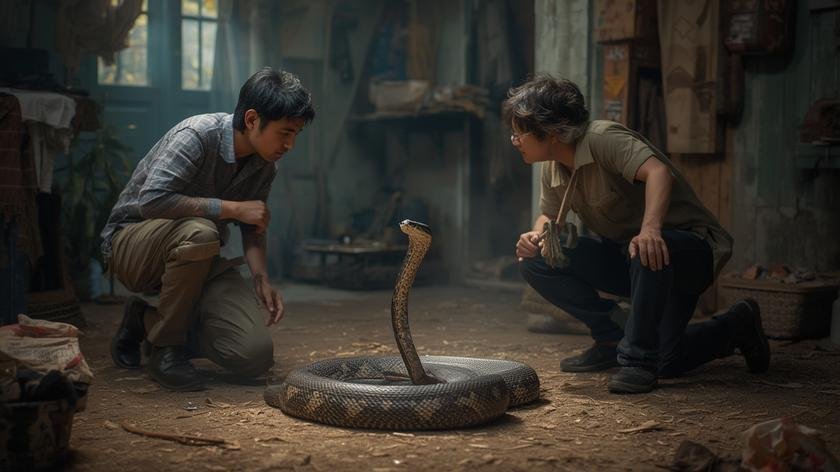
Across continents, snakes have occupied a dual role as both revered guardians and ominous antagonists. In ancient Egyptian mythology, the uraeus—an upright cobra—signified royal authority and protection. Conversely, in Judeo‑Christian texts, the serpent is frequently cast as the tempter, embodying deceit. When you dream about snake attack, the cultural lens you inherit may shape whether you perceive the encounter as a warning or as a rite of passage.
Eastern traditions often associate snakes with **renewal** due to their shedding skin. A damaging bite can be interpreted as a painful but necessary purge, leading to new vitality. In Indigenous Australian Dreamtime stories, snakes are creators and keepers of secret knowledge; an attack may indicate that you are being urged to seek concealed truths.
Modern western pop culture also reinforces the image of snakes as villains—think of cinematic antagonists or horror storytelling. This media saturation can amplify personal anxieties, especially for those with an established fear of reptiles. The term Ophidiophobia describes this specific phobia, and its presence in a dream often points directly to the dreamer’s conscious or unconscious dread of snakes.
### Personal Triggers and Context
Identifying the personal circumstances that precede a dream about snake attack is essential for accurate interpretation. Consider the following common triggers:
1. **Recent Conflict** – Arguments or power struggles can manifest as an aggressive animal, symbolizing the perceived hostility.
2. **Health Concerns** – Physical symptoms, especially those related to the skin, muscles, or toxic exposure, may be reflected through a venomous snake.
3. **Life Transitions** – Moving, changing careers, or ending a relationship often brings uncertainty; the snake’s strike may represent the suddenness of change.
4. **Media Consumption** – Watching movies or reading stories with serpentine villains can plant the image in your subconscious, especially before sleep.
When recording dream details, note the snake’s species, color, size, and behavior. A small garden snake that retreats after a brief strike may suggest a minor irritation, while a massive, relentless anaconda could flag a deep, systemic issue. The setting—urban alley versus jungle clearing—adds layers of meaning: urban environments point to societal pressures, natural settings hint at primal instincts.
### Decoding Specific Snake Elements
| Element | Traditional Meaning | Modern Psychological Insight |
|———|——————–|——————————-|
| **Species** (e.g., cobra, rattlesnake) | Symbol of royalty (cobra) or warning (rattlesnake) | Specific phobias linked to appearance; cobras may reflect authority challenges, rattlesnakes signal imminent danger |
| **Color** (e.g., black, green) | Black: death or mystery; Green: healing | Color psychology ties black to depression or hidden thoughts; green aligns with growth and renewal |
| **Size** | Large: overwhelming force; Small: nagging issue | Larger snakes amplify perceived threat; smaller snakes signal manageable problems |
| **Behavior** (aggressive vs. defensive) | Aggressive: external conflict; Defensive: internal self‑protection | Aggression often mirrors active stressors; defensiveness indicates self‑preservation mechanisms |
| **Environment** (water, desert) | Water: subconscious, emotion; Desert: scarcity, isolation | Water contexts relate to emotional fluidity; desert settings highlight feelings of emptiness or survival |
By cross‑referencing the dream’s specific details with the table, you gain a nuanced picture that bridges mythic symbolism and personal psychology.
### Reflection and Integration Practices
Turning insight into action involves a deliberate post‑dream routine:
1. **Dream Journal** – Write the full narrative within five minutes of waking. Include emotions, sensory details, and any waking events that could be linked.
2. **Symbol Mapping** – Use the comparison table to map each element (species, color, etc.) to personal life areas (career, relationships, health).
3. **Mindful Visualization** – Re‑enter the dream scene while awake, this time altering the snake’s behavior. Imagine calming it, speaking to it, or observing it without fear. This technique reduces the emotional charge associated with Ophidiophobia.
4. **Therapeutic Dialogue** – If the dream recurs, discuss it with a therapist trained in dream work. They can help you trace patterns linking the snake to deeper shadow material.
5. **Physical Grounding** – Engage in activities that counterbalance the dream’s intensity: yoga, nature walks, or creative expression such as drawing the snake in a non‑threatening pose.
By repeatedly applying these steps, the snake’s symbolic sting loses its power, allowing the underlying message to surface as constructive guidance rather than lingering dread.
### Analysis Comparison Table
| Approach | Core Methodology | Strengths | Limitations |
|———-|——————|———–|————-|
| **Classical Freudian** | Focus on repressed sexual/ aggressive urges | Provides a direct link to subconscious conflict | May overlook cultural symbolism |
| **Jungian Archetypal** | Emphasizes collective unconscious and archetypes | Captures universal mythic patterns | Can be abstract for practical use |
| **Cultural Anthropological** | Interprets symbols through societal myths | Rich contextual depth | Requires extensive cultural knowledge |
| **Cognitive‑Behavioral Dream Analysis** | Examines recent stressors and thought patterns | Highly actionable, evidence‑based | May underplay symbolic richness |
| **Integrative Modern Model** (combines all three) | Merges personal triggers, archetypes, and cultural clues | Balanced, versatile, adaptable | Requires more time and skill to synthesize |
The integrative model is especially effective when dealing with a complex dream about snake attack, as it honors both personal experience and timeless symbolism.
### Frequently Asked Questions
**What does a snake bite represent in a dream?**
A symbolic “wound” indicating emotional hurt or a warning about a toxic situation.
**Is a recurring snake attack dream a sign of mental illness?**
Not necessarily; it often signals unresolved stress that needs attention.
**Can learning about snakes reduce the intensity of the dream?**
Yes—knowledge can diminish fear, especially for those with Ophidiophobia.
**Do different snake species change the meaning?**
Each species carries distinct cultural and psychological connotations.
**How soon after waking should I write down the dream?**
Ideally within 5‑10 minutes to capture vivid details.
**Are there scientific studies linking specific dream symbols to health issues?**
Limited research exists; correlations are mostly observational, not causal.
### Conclusion and Final Takeaways
A dream about snake attack is a multifaceted signal that blends evolutionary biology, personal stressors, and cultural narratives. By dissecting the dream’s components—species, color, environment—and situating them within both psychological theory and mythic tradition, you gain a roadmap for self‑reflection. Regular journaling, symbolic mapping, and mindful re‑engagement with the dream imagery can transform fear into a catalyst for growth, even for those who grapple with Ophidiophobia.
If you found this guide useful, consider revisiting the article later to deepen your analysis and track progress. Continual study of your dream life not only sharpens interpretive skill but also strengthens the connection between subconscious insight and conscious action.
explore related dream‑interpretation techniques and learn how to journal effectively for ongoing personal development.