Andes Travel Destinations: Explore the Best of South America
The soaring peaks of the Andes have long captured the imagination of explorers, trekkers, and cultural enthusiasts alike. Stretching over 7,000 kilometers through seven countries, this mountain chain offers a diverse tapestry of ecosystems, ancient civilizations, and modern urban vibrancy. Whether you’re drawn to the mystery of Incan ruins, the thrill of high‑altitude trekking, or the subtle flavors of regional cuisine, the region presents an unparalleled array of experiences that define today’s Andes travel destinations.
Thank you for reading this post, don't forget to subscribe!Beyond the dramatic scenery, the corridor serves as a vital artery for South America tourism, linking economies, preserving heritage, and inviting sustainable adventure. Understanding how each locale contributes to this broader narrative can help travelers craft journeys that are both enriching and responsible, while also supporting the communities that safeguard these treasures.
## Table of Contents
– Overview of the Andes Range
– Iconic Cities and Cultural Hubs
– High‑Altitude Adventures
– Natural Wonders and National Parks
– Practical Planning Tips
– Comparison of Top Destinations
– Frequently Asked Questions
– Conclusion and Final Takeaways
## Overview of the Andes Range
The Andes begin in the tropical highlands of Venezuela and gradually transition to arid steppes in Chile and Argentina. This longitudinal gradient creates micro‑climates that host everything from cloud forests to salt flats. Geologically, the range is a product of the Nazca Plate subducting beneath the South American Plate, a process that continues to shape its dramatic topography.
Key geological features include:
* **Volcanic belts** – Home to active volcanoes like Cotopaxi (Ecuador) and Lanín (Argentina).
* **Glaciated peaks** – Such as Aconcagua (6,961 m), the highest summit outside Asia.
* **Altiplano plateau** – A high‑altitude basin spanning Bolivia and Peru, famed for its stark beauty.
These natural dynamics underpin the cultural richness that travelers encounter at each stop, making the Andes a living laboratory of biodiversity and human adaptation.
## Iconic Cities and Cultural Hubs
Modern urban centers punctuate the mountain spine, each preserving a distinct slice of history while offering contemporary comforts.
### Quito, Ecuador
Perched at 2,850 m, Quito’s historic centre is a UNESCO World Heritage site, with baroque churches and plazas that echo pre‑colonial traditions. The city also serves as a gateway to the **Mindo Cloud Forest** and the **Volcán Pichincha** treks.
### La Paz, Bolivia
Claimed as the world’s highest capital (≈3,650 m), La Paz blends bustling markets with cable‑car panoramas. The nearby **Tiwanaku ruins** showcase the ingenuity of the Tiwanaku civilization, predating the Inca empire.
### Cusco, Peru
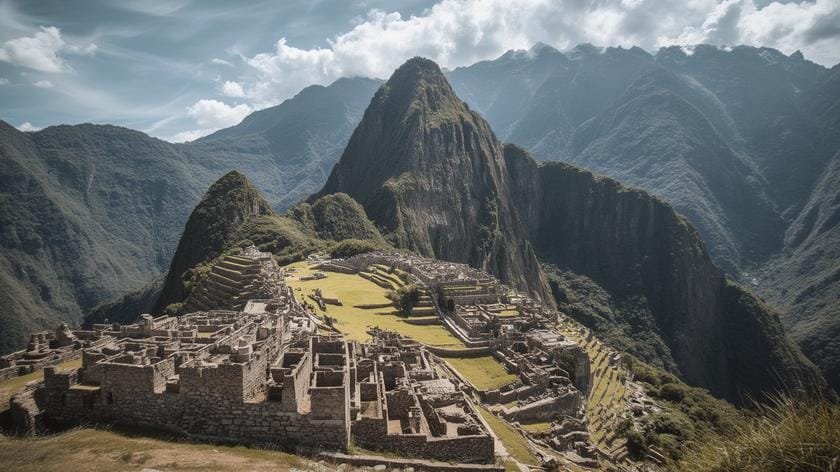
Formerly the Inca capital, Cusco’s stone streets lead directly to **Machu Picchu**. Its festivals, such as Inti Raymi, celebrate solar deities that have guided Andean peoples for centuries.
### Mendoza, Argentina
Nestled at the foot of the **Andean foothills**, Mendoza is the heart of Argentine wine production. Visitors can pair vineyard tours with excursions to **Aconcagua Provincial Park**.
These hubs illustrate how Andes travel destinations harmonize ancient heritage with modern vitality, inviting travelers to experience both.
## High‑Altitude Adventures
For those seeking physical challenge, the Andes deliver a spectrum of high‑altitude pursuits.
* **Trek to the Sacred Valley** – A 4‑day walk from Ollantaytambo to Machu Picchu traverses terraced fields, Incan ruins, and lofty passes above 3,800 m.
* **Crossing the Altiplano** – The **Salar de Uyuni** circuit in Bolivia includes a night under an uninterrupted star field on the world’s largest salt flat, situated at 3,656 m.
* **Climbing Aconcagua** – As South America’s tallest peak, Aconcagua offers routes ranging from the “Normal” (non‑technical) to the daunting “Polish” (technical ice climbing).
* **Mountain biking in Patagonia** – The **Carretera Austral** in Chile provides rugged trails that challenge riders while delivering spectacular fjord vistas.
Acclimatization strategies, such as gradual ascent and hydration, are essential to mitigate altitude sickness. Local guide services frequently incorporate these best practices into expedition planning.
## Natural Wonders and National Parks
Protected areas safeguard the Andes’ ecological wealth, making them indispensable stops for nature‑focused itineraries.
| Destination | Country | Highlight | Typical Activities | Best Visiting Months |
|————-|———|———–|——————–|———————-|
| **Cañón del Colca** | Peru | One of the world’s deepest canyons | Condor watching, trekking | May‑September |
| **Torres del Paine** | Chile | Iconic granite towers | Circuit trekking, wildlife spotting | November‑February |
| **Los Glaciares National Park** | Argentina | Bone‑filled Perito Moreno Glacier | Glacier boat tours, hiking | October‑April |
| **Manú National Park** | Peru | Biodiversity hotspot | Jungle treks, river cruises | June‑September |
These sites exemplify why responsible travel is crucial: visitors help fund conservation while minimizing environmental footprints.
## Practical Planning Tips
Effective preparation transforms an ambitious itinerary into a seamless adventure.
1. **Seasonal Awareness** – The Andes experience contrasting climates; the dry season (May‑October) generally offers clearer trails, while the wet season can limit access to high passes.
2. **Visa Requirements** – Most travelers need tourist visas for Bolivia and Ecuador; however, numerous countries enjoy visa‑free entry for short stays.
3. **Altitude Management** – Incorporate “rest days” at mid‑altitude towns (e.g., Arequipa, 2,300 m) before tackling higher elevations.
4. **Currency** – While the US dollar is accepted in many tourist zones, local currencies (sol, boliviano, peso) are preferred in markets.
5. **Health Precautions** – Vaccinations for yellow fever (especially in Amazonian foothills) and typhoid are recommended; carry a basic medical kit.
6. **Sustainable Choices** – Opt for locally owned lodges, avoid single‑use plastics, and respect trail regulations.
For deeper insight, explore the comprehensive guide to Andes travel preparations and consider the essential packing checklist for high‑altitude trips.
## Comparison of Top Destinations
To help travelers decide which region best matches their interests, the table below contrasts four flagship Andes travel destinations across key criteria.
| Feature | Cusco & Machu Picchu (Peru) | La Paz & Salar de Uyuni (Bolivia) | Mendoza & Aconcagua (Argentina) | Patagonia (Chile) |
|---|---|---|---|---|
| Primary Appeal | Incan heritage & trekking | Salt flats & high‑altitude culture | Wine & mountaineering | Glaciers & dramatic landscapes |
| Altitude Range (m) | 2,500‑4,200 | 3,600‑4,600 | 700‑6,960 | 0‑3,000 |
| Best Season | May‑September | June‑August | October‑April | December‑February |
| Typical Budget (USD) | Mid‑range | Budget‑friendly | Mid‑to‑high | High |
| Key Experience | Sunrise over Machu Picchu | Stargazing on the salt flats | Summiting Aconcagua base camp | Boat on Grey Glacier |
This side‑by‑side view facilitates quicker decision‑making, especially for travelers with limited time or specific activity preferences.
## Frequently Asked Questions
**What is the safest time to travel the Andes?**
Late spring to early autumn, when weather is stable and trails are clear.
**Do I need a guide for Machu Picchu?**
A guide is required for the Inca Trail; day visitors can explore independently.
**Can I trek at high altitude without prior experience?**
Yes, if you acclimatize properly and choose moderate routes like the Sacred Valley.
**Is it possible to visit multiple countries in one trip?**
Absolutely; most itineraries combine Peru, Bolivia, and Chile for diverse experiences.
**What language is most useful?**
Spanish is widely spoken; Quechua and Aymara are common in rural areas.

## Conclusion and Final Takeaways
The Andes stand as a living bridge between ancient civilizations and modern adventure, offering a spectrum of experiences that reinforce the importance of South America tourism. By aligning travel plans with seasonal nuances, altitude considerations, and sustainable practices, visitors can unlock the region’s full potential while contributing positively to local economies and conservation efforts.
Whether you’re tracing the footsteps of the Incas, sipping Malbec at the foot of towering peaks, or navigating the endless white of Salar de Uyuni, each journey enriches personal perspective and deepens respect for this monumental mountain chain.
Ready to start planning? Review the detailed sections above, prioritize the destinations that align with your interests, and embark on a responsibly curated adventure through the heart of the Andes.