Authentic Bangladeshi Food Dishes to Savor
The culinary landscape of South Asia is a tapestry woven from centuries of trade, migration, and regional innovation. At its heart lies a vibrant collection of recipes that have been handed down through generations, each reflecting the fertile river plains, bustling markets, and coastal bounty of the nation. Exploring authentic bangladeshi food dishes offers a window into a culture where flavor and tradition intertwine, creating meals that are both comforting and celebratory.
Thank you for reading this post, don't forget to subscribe!Beyond the plates themselves, there is a deeper story of identity and community that defines Bangladeshi Cuisine. From street‑side stalls to family gatherings, food serves as a binding force, preserving heritage while inviting newcomers to partake in its rich aromas. The following guide delves into the most iconic preparations, regional nuances, and cooking methods that together form an unforgettable gastronomic experience.
## Table of Contents
– Overview of Bangladeshi Cuisine
– Signature Dishes
– Regional Variations
– Cooking Techniques
– Comparison and Evaluation
– FAQ
– Conclusion
## Overview of Bangladeshi Cuisine {#overview-of-bangladeshi-cuisine}
Bangladesh’s culinary heritage draws heavily from its riverine geography, fertile alluvial soils, and a climate that supports a diverse array of produce. Staples such as rice, lentils, and fish dominate daily meals, while mustard oil, panch phoron (a five‑spice blend), and dried chilies lend a distinctive heat and depth. Seasonal vegetables—eggplant, pumpkin, and okra—are often paired with smoked or freshly caught fish, resulting in dishes that balance sweet, sour, and spicy notes.
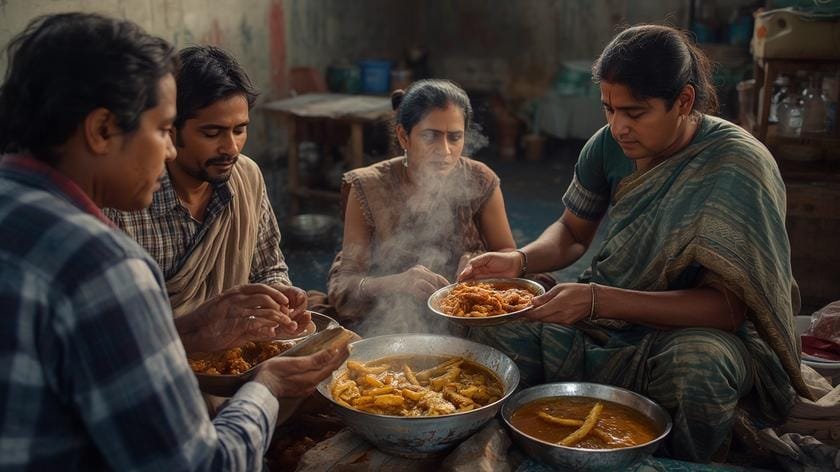
A hallmark of this cuisine is the emphasis on communal dining. Large platters of bhorta (mashed vegetables or fish with mustard oil and chilies) sit alongside fragrant rice, encouraging shared enjoyment. The practice of using leftovers creatively—for instance, turning yesterday’s rice into the celebrated fried rice dish—underscores a resourceful culinary philosophy. To truly appreciate the breadth of flavors, one must also consider the subtle influence of neighboring regions, which introduced techniques such as slow‑cooked curries and tandoor‑baked breads.
Read more about the evolution of flavors in a broader context through this exploratory article on South Asian food traditions.
## Signature Dishes {#signature-dishes}
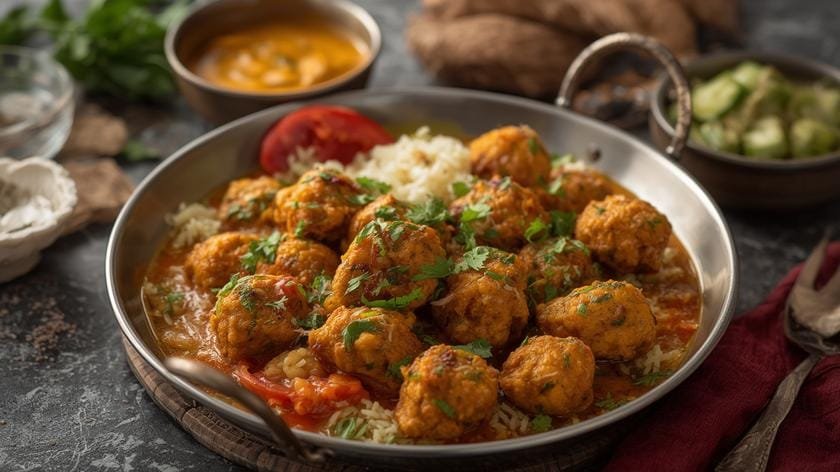
Among the most celebrated preparations, a handful stand out as quintessential representations of authentic bangladeshi food dishes. Each carries a story and a set of techniques honed over generations.
**1. Hilsa Bhapa (Steamed Hilsa)**
The national fish, Hilsa, is marinated with mustard paste, green chilies, and a hint of turmeric before being wrapped in banana leaves and gently steamed. The result is tender flesh infused with aromatic oils, often served with plain rice.
**2. Shorshe Ilish (Hilsa in Mustard Sauce)**
A richer, spicier counterpart to the steamed version, this dish simmers fillets in a thick mustard gravy, balanced by the subtle tang of yogurt. The bold mustard flavor is a signature of Bangladeshi palates.
**3. Morog Polao (Chicken Pilaf)**
Fragrant basmati rice is layered with marinated chicken, caramelized onions, raisins, and toasted nuts, then cooked in a sealed pot to lock in moisture. The interplay of sweet and savory components makes it a festive centerpiece.
**4. Chingri Malai Curry (Shrimp in Coconut Milk)**
Fresh river shrimp are cooked in a velvety coconut milk base, scented with cardamom, cinnamon, and a whisper of nutmeg. The delicate sweetness of the sauce complements the natural brininess of the shrimp.
**5. Panta Bhat (Fermented Rice)**
Often enjoyed at sunrise, leftover rice is soaked overnight in water, allowing natural fermentation. Served with fried fish, pickles, and a sprinkling of shredded green chilies, it offers a refreshing, probiotic‑rich start to the day.
These dishes not only showcase the diversity of ingredients but also illustrate the balance between simplicity and complexity that defines this culinary tradition. For a deeper dive into preparation methods, explore this step‑by‑step guide on mastering traditional spice blends.
## Regional Variations {#regional-variations}
Bangladesh’s modest size belies the rich regional differences that shape its food culture. While the core staples remain constant, local produce and historical trade routes give rise to distinct culinary identities.
**Dhaka (Central)**
The capital’s cuisine reflects urban sophistication. Dishes like Kacchi Biryani—layered basmati rice with marinated goat meat, boiled eggs, and fried potatoes—are festive staples. Street vendors also popularize fuchka (pani puri) with tamarind-infused water.
**Chittagong (Southeast)**
Coastal proximity infuses the palate with seafood. Prawn malai curry and crab chutney dominate menus, while the region’s love for fermented mustard leaves produces the tangy achar known as shatkora achaar.
**Sylhet (Northeast)**
Renowned for its tea gardens, Sylhet’s cuisine leans towards spicier, tea‑infused preparations. Teahouse‑style fish curries use tea leaves for a subtle bitterness, while the area’s abundance of hawthorn fruit sparks unique desserts like shapla payesh (hawthorn rice pudding).
**Khulna (Southwest)**
The Sundarbans mangrove forest influences the diet heavily. Hilsa and catfish dominate, often grilled over charcoal and brushed with a glaze of tamarind and jaggery. The region’s “bhat mash”—rice with lentil soup—remains a daily staple.
These variations highlight how geography, climate, and local customs intersect to create a mosaic of flavors, each rooted in the broader framework of Bangladeshi Cuisine. To explore more regional specialties, see our regional flavor map for quick reference.
## Cooking Techniques {#cooking-techniques}
The art of preparing authentic bangladeshi food dishes rests on a handful of time‑tested techniques that bring out the maximum taste from humble ingredients.
**Tempering (Tadka)**
Whole spices such as cumin, mustard seeds, and dried chilies are briefly fried in hot mustard oil, releasing essential oils that form the base of many curries and bhortas. This step is often performed at the start of a dish, establishing a flavor foundation.
**Steaming in Banana Leaves**
Used for fish, rice cakes, and even meat, steaming within banana leaves imparts a subtle, earthy aroma while retaining moisture. The technique is especially important for delicate proteins like Hilsa, ensuring they remain supple.
**Fermentation**
Beyond panta bhat, fermentation is employed for pickles (achar) and fermented fish (shutki). The natural lactic acid development adds depth and aids digestion, a practice that dates back centuries in riverine communities.
**Slow Simmering**
Curries such as shorshe ilish benefit from low, prolonged heat, allowing spices to meld and the sauce to thicken. The patience required reflects a cultural reverence for the cooking process as a ritual.
**Grilling over Charcoal**
Coastal regions often grill whole fish or marinated meat over charcoal, infusing a smoky note that complements the natural sweetness of seafood. The sear enhances texture, creating a crisp exterior while preserving a tender interior.
Mastering these methods provides a solid foundation for any home cook eager to recreate the nuanced palate of Bangladesh. For a visual demonstration, consult the technique video library linked within our resource hub.
## Comparison and Evaluation {#comparison-and-evaluation}
Below is a concise table that helps readers decide which dish aligns best with personal taste preferences, dietary considerations, and occasion.
| Dish | Main Ingredients | Flavor Profile | Typical Region |
|---|---|---|---|
| Hilsa Bhapa | Hilsa, mustard paste, banana leaf | Delicate, mildly spicy, smoky | Dhaka & Khulna |
| Shorshe Ilish | Hilsa, mustard seeds, yoghurt | Rich, tangy, pungent | All regions |
| Morog Polao | Chicken, basmati rice, nuts, raisins | Sweet‑savory, aromatic | Dhaka |
| Chingri Malai Curry | Shrimp, coconut milk, spices | Creamy, mildly spiced, fragrant | Chittagong |
| Panta Bhat | Fermented rice, water, side condiments | Refreshing, slightly sour | Nationwide |
Use this guide to match your cravings—whether you seek a celebratory feast or a comforting everyday meal.
## FAQ {#faq}
**Q1: What grain is most commonly used?**
A1: Long‑grain basmati rice is the staple for most meals.
**Q2: Is Bangladeshi food spicy?**
A2: It can be moderately spicy; heat level is adjustable.
**Q3: Are vegetarian options abundant?**
A3: Yes, plenty of lentil, vegetable, and paneer dishes exist.
**Q4: How is mustard oil used?**
A4: As a primary cooking oil and flavor enhancer.
**Q5: Can the dishes be prepared ahead?**
A5: Many curries improve after resting; panta bhat is fermented overnight.
**Q6: Is sweet flavor common in main courses?**
A6: Sweetness appears in biryanis and coconut‑based curries.
## Conclusion {#conclusion}
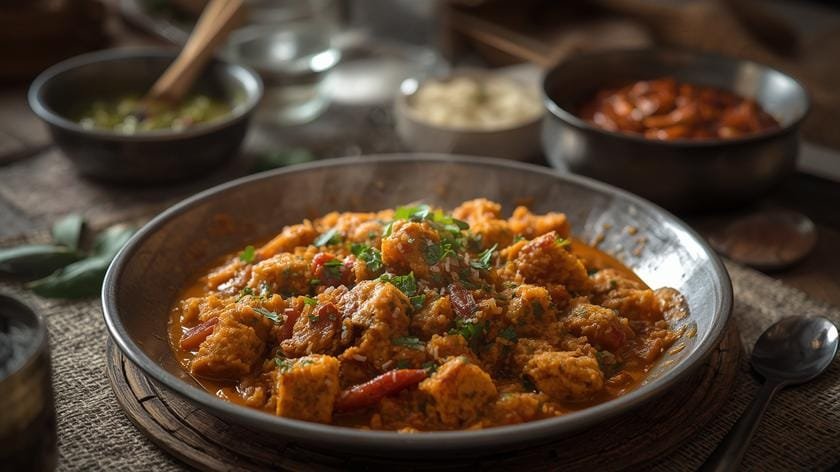
Exploring authentic bangladeshi food dishes reveals a cuisine that is as diverse as the waterways that crisscross the country. From the river‑grown delicacies of Hilsa to the festive aromas of Morog Polao, each preparation reflects a balance of simplicity, bold spices, and communal heritage. By understanding regional nuances, mastering core techniques, and appreciating the cultural context of Bangladeshi Cuisine, home cooks and food enthusiasts can confidently bring these flavors into their own kitchens.
For further reading and recipe inspiration, you may wish to perform a quick web search: Authentic Bangladeshi Food Dishes to Savor. This article serves as a solid foundation; the journey of tasting and cooking continues with every new dish you try.