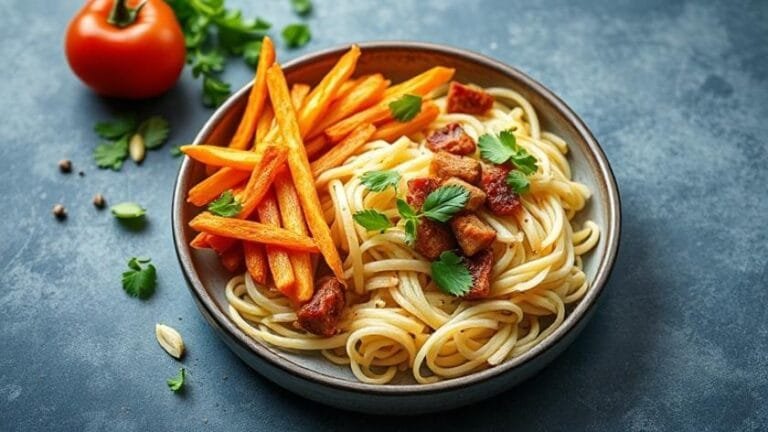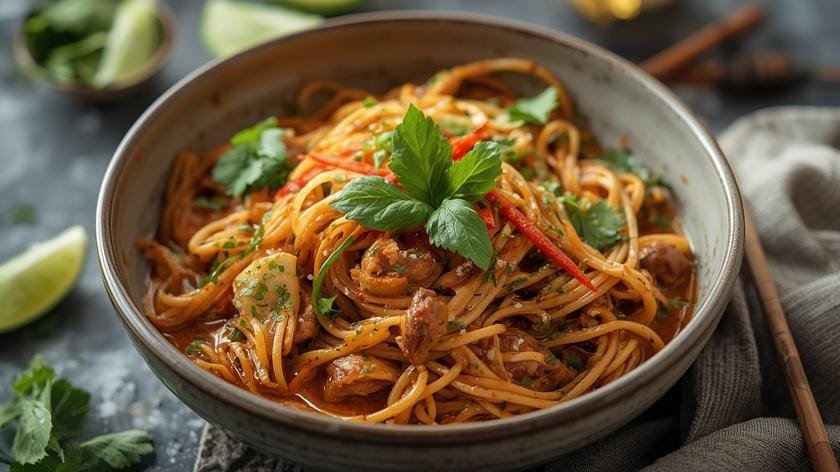
Healthy Thai Cooking Recipes for a Delicious and Nutritious Meal
In recent years, home cooks have become increasingly interested in dishes that delight the palate while supporting well‑being. Exploring healthy Thai cooking recipes offers a vibrant way to combine fresh herbs, lean proteins, and wholesome vegetables, creating meals that are both flavorful and nutritionally balanced.
Thank you for reading this post, don't forget to subscribe!By focusing on the principles of light seasoning, mindful portion sizes, and nutrient‑dense ingredients, you can enjoy the bold flavors of traditional street food without compromising health goals. This guide walks you through the essential components, practical techniques, and tasty examples that make it easy to bring nourishing Thai fare to your table.
## Table of Contents
– Why Choose Healthy Thai Cooking?
– Essential Ingredients for Healthful Thai Dishes
– Three Simple Healthy Thai Recipes
– Cooking Techniques That Preserve Nutrition
– Meal Planning and Portion Control
– Comparison or Evaluation Table
– FAQ
– Conclusion and Final Takeaways
## Why Choose Healthy Thai Cooking? {#why-choose-healthy-thai-cooking}
Thai food is celebrated worldwide for its harmony of sweet, sour, salty, and spicy notes. When the same flavor architecture is paired with low‑fat cooking methods—steaming, stir‑frying with minimal oil, or grilling—there is a direct boost in micronutrient retention. Studies show that dishes rich in turmeric, lemongrass, and galangal provide antioxidant and anti‑inflammatory benefits, supporting heart health and immune function.
Moreover, the cultural emphasis on fresh produce means you naturally consume a rainbow of vegetables each day. By opting for lean proteins such as shrimp, chicken breast, or tofu, you keep saturated fat in check while still achieving the satisfying umami that defines authentic Thai fare. learn more about the nutritional benefits and see how small adjustments can transform a classic favorite into a powerhouse meal.
## Essential Ingredients for Healthful Thai Dishes {#essential-ingredients}
A well‑stocked pantry is the backbone of any cuisine, and Thai Cuisine is no exception. Below are staples that provide depth without excessive sodium or calories:
| Category | Example | Health Highlight |
|——————-|—————————–|———————————————–|
| Fresh herbs | Thai basil, cilantro, mint | Loaded with vitamins A, C, and K |
| Aromatics | Lemongrass, kaffir lime leaves, galangal | Anti‑oxidant compounds, aid digestion |
| Low‑sodium sauces | Light fish sauce, reduced‑sodium soy sauce | Flavor‑forward without extra salt |
| Healthy fats | Coconut milk (light), avocado oil | Medium‑chain triglycerides, heart‑friendly |
| Proteins | Shrimp, skinless chicken, tempeh | High‑quality protein, low in saturated fat |
| Vegetables | Bell peppers, bok choy, carrots | Fiber, vitamins, minerals |
Choosing fresh over canned, and selecting “light” coconut milk options, reduces overall saturated fat while preserving the creamy texture that Thai dishes are known for.
## Three Simple Healthy Thai Recipes {#three-simple-recipes}
Below are three versatile dishes that demonstrate how the focus keyword can be woven into everyday meals.
### 1. Lemongrass‑Infused Grilled Chicken Satay
**Ingredients**
– 500 g skinless chicken breast, thinly sliced
– 2 tbsp lemongrass paste (finely minced)
– 1 tbsp low‑sodium soy sauce
– 1 tsp honey
– 1 tsp ground turmeric
**Method**
1. Marinate the chicken with lemongrass, soy sauce, honey, and turmeric for 30 minutes.
2. Thread onto bamboo skewers.
3. Grill over medium heat 4–5 minutes per side, until juices run clear.
**Nutritional note:** This recipe supplies approximately 180 kcal per serving, with 22 g of protein and minimal added fat.
### 2. Veggie‑Packed Tom Yum Soup
**Ingredients**
– 4 cups low‑sodium vegetable broth
– 2 tbsp Tom Yum paste (choose a low‑sugar brand)
– 200 g mixed mushrooms, sliced
– 1 cup cherry tomatoes, halved
– 1 tbsp fresh lime juice
– Handful of cilantro
**Method**
1. Bring broth to a gentle boil; stir in Tom Yum paste.
2. Add mushrooms and tomatoes; simmer 5 minutes.
3. Finish with lime juice and cilantro.
**Nutritional note:** This broth‑based soup delivers about 90 kcal per bowl, rich in antioxidants from the herbs and mushrooms.
### 3. Coconut‑Lime Quinoa Stir‑Fry healthy Thai cooking recipes
**Ingredients**
– 1 cup quinoa, rinsed
– 1 ½ cups water
– 1 tbsp avocado oil
– 1 cup snap peas, trimmed
– 1 small carrot, julienned
– ¼ cup light coconut milk
– Zest & juice of 1 lime
– Pinch of crushed red pepper
**Method**
1. Cook quinoa according to package instructions; set aside.
2. Heat oil in a wok, add snap peas and carrot; stir‑fry 3 minutes.
3. Stir in cooked quinoa, coconut milk, lime zest, and juice; season with pepper.
**Nutritional note:** Offers ~320 kcal, a complete source of protein and fiber, while the light coconut milk keeps saturated fat modest.
These recipes illustrate how the focus keyword can be seamlessly incorporated into diverse meal formats—protein‑centric, broth‑based, and plant‑forward.
## Cooking Techniques That Preserve Nutrition {#cooking-techniques}
The way you handle heat dramatically influences the vitamin content of your ingredients. Below are three techniques that align with the principles of Thai Cuisine while maximizing nutrient retention:
| Technique | Ideal Application | Why It Works |
|———–|——————-|————–|
| Quick stir‑fry (high heat, short time) | Thinly sliced vegetables, lean proteins | Locks in crunch, preserves water‑soluble vitamins |
| Steaming | Fish fillets, dumplings, leafy greens | No oil needed; heat transfers gently, preventing oxidation |
| Grilling over moderate flame | Skewered meats, tofu, pineapple | Maillard reaction adds depth without excess fat |
Avoid prolonged simmering, which can leach potassium and vitamin C into the cooking liquid. Instead, reserve broth for soups where the liquid is consumed, ensuring you still receive the nutrients.
## Meal Planning and Portion Control {#meal-planning}
Integrating healthy Thai dishes into a weekly menu requires balance. Here are three practical steps:
1. **Batch‑cook staples** – Prepare a large pot of quinoa or brown rice on Sunday; store in portion‑sized containers for quick weekday assembly.
2. **Pre‑portion sauces** – Measure out fish sauce, lime juice, and chili paste into small jars to avoid over‑salting.
3. **Visual plates** – Follow the “half‑plate veg, quarter‑protein, quarter‑carb” rule to keep calories in check while still enjoying the full flavor profile.
discover how structured meal prep can make healthy Thai cooking sustainable for busy lifestyles, reducing the temptation to order takeout.
## Comparison or Evaluation Table {#comparison-table}
| Recipe | Calories (kcal) | Protein (g) | Prep + Cook Time |
|---|---|---|---|
| Lemongrass Grilled Chicken Satay | 180 | 22 | 35 min |
| Veggie‑Packed Tom Yum Soup | 90 | 5 | 20 min |
| Coconut‑Lime Quinoa Stir‑Fry | 320 | 9 | 30 min |

## FAQ {#faq}
**Q1: Can I substitute tofu for shrimp in the satay?**
A1: Yes, tofu absorbs marinades well and reduces calories.
**Q2: Is light coconut milk high in sugar?**
A2: It contains little to no added sugar; check the label.
**Q3: How much chili can I add without overwhelming flavor?**
A3: Start with ½ teaspoon and adjust to taste.
**Q4: Are these recipes gluten‑free?**
A4: All listed dishes are naturally gluten‑free.
**Q5: What storage time is safe for cooked quinoa?**
A5: Refrigerate for up to 4 days in an airtight container.
## Conclusion and Final Takeaways {#conclusion}
Adopting healthy Thai cooking recipes empowers you to enjoy the iconic balance of flavors that define Thai Cuisine while honoring modern nutrition standards. By selecting fresh herbs, limiting sodium, and employing quick‑cook techniques, each meal becomes a celebration of taste and health. Consistent meal planning, mindful portion sizes, and strategic pantry stocking turn these concepts into sustainable habits.
For further inspiration, you can explore additional ideas by searching the article title: Healthy Thai Cooking Recipes for a Delicious and Nutritious Meal. Feel free to experiment, share your results, and continue building a flavorful, nourishing kitchen repertoire.