Diet Friendly Air Fryer Recipes for a Healthier You
In recent years the kitchen countertop has welcomed a transformative appliance that promises crisp textures without the excess oil of traditional frying. When paired with thoughtful ingredient choices, the air fryer becomes a conduit for meals that support weight‑management goals, cardiovascular health, and overall well‑being. Incorporating diet friendly air fryer recipes into your weekly menu can simplify the path to balanced nutrition while still delivering the satisfying crunch many associate with indulgent fare.
Thank you for reading this post, don't forget to subscribe!Beyond convenience, the air fryer’s rapid hot‑air circulation reduces cooking times, preserves nutrients, and limits the formation of harmful compounds linked to deep frying. For those committed to a sustainable eating plan, mastering diet friendly air fryer recipes offers a practical avenue to enjoy vegetables, lean proteins, and whole‑grain sides without compromising flavor or texture. The following guide breaks down the science, showcases versatile dishes, and equips you with strategies for lasting, health‑focused results.
## Table of Contents
– Understanding the Air Fryer Advantage
– Building Balanced Air Fryer Meals
– Top 5 diet friendly air fryer recipes
– Cooking Techniques for healthy air fryer cooking
– Meal Planning & Prep Tips
– Comparison Table: Air‑Fryer vs. Conventional Methods
– FAQ
– Conclusion & Final Takeaways
## Understanding the Air Fryer Advantage {#understanding-air-fryer-advantage}
The air fryer operates on the principle of convection heating, circulating air at temperatures between 150 °C and 200 °C. This method enables rapid moisture evaporation on the surface of foods, creating a Maillard reaction that yields a golden‑brown crust while the interior remains tender. Compared with deep frying, the oil requirement drops from 1 cup to as little as 1 ‑ 2 teaspoons, dramatically reducing total caloric density.
From a nutritional perspective, the reduction in oil translates to lower intake of saturated fats and fewer calories per serving. Moreover, high‑temperature oil exposure in deep frying can generate trans‑fatty acids and advanced glycation end products (AGEs), both of which have been implicated in chronic inflammation. By limiting oil, the air fryer helps curb these risks, making it an ideal tool for those pursuing a health‑centric lifestyle.
## Building Balanced Air Fryer Meals {#building-balanced-air-fryer-meals}
A truly wholesome plate adheres to the classic macronutrient distribution: roughly 45‑55 % carbohydrates, 15‑25 % protein, and 25‑35 % healthy fats. The air fryer can accommodate each of these components without sacrificing the sensory appeal that often drives food choices.
1. **Complex Carbohydrates** – Root vegetables, legumes, and whole‑grain pastas become tender and lightly crisp when air‑fried. Toss cubed sweet potatoes or chickpeas in a drizzle of olive oil and spices before cooking to achieve a caramelized exterior.
2. **Lean Proteins** – Chicken breast, turkey cutlets, tofu, and fish fillets respond well to quick high‑heat exposure, locking in moisture. A thin coating of seasoned almond flour or crushed cornflakes adds texture while keeping the protein source low in fat.
3. **Healthy Fats** – Incorporate avocado oil, walnut oil, or a modest splash of sesame oil for flavor depth. Because the appliance requires minimal added fat, the overall dish stays within a heart‑healthy fat range.
By intentionally pairing these categories, each diet friendly air fryer recipes you craft becomes a miniature nutrition lesson, reinforcing balanced eating patterns without demanding extra kitchenware.
Explore more about balanced nutrition and see how these principles translate into everyday cooking.
## Top 5 diet friendly air fryer recipes {#top-5-diet-friendly-air-fryer-recipes}
Below are five versatile dishes that embody the “diet friendly” philosophy while showcasing the air fryer’s capacity for variety. Each recipe lists approximate macro breakdowns, cooking times, and optional tweaks for dietary restrictions.
### 1. Crispy Chickpea & Quinoa Patties
– **Ingredients:** Cooked quinoa, rinsed chickpeas (mashed), diced red bell pepper, minced garlic, cumin, paprika, 1 tsp olive oil.
– **Method:** Form patties, brush lightly with oil, air‑fry at 190 °C for 12 minutes, flipping halfway.
– **Nutrition (per patty):** 210 kcal | Carbs 38 g | Protein 8 g | Fat 5 g.
– **Variations:** Substitute black beans for a higher protein profile; add spinach for extra micronutrients.
### 2. Lemon‑Herb Salmon Fillets
– **Ingredients:** 150 g salmon, lemon zest, fresh dill, garlic powder, ½ tsp olive oil.
– **Method:** Season salmon, place skin‑side down, air‑fry at 200 °C for 8 minutes.
– **Nutrition:** 250 kcal | Protein 22 g | Fat 16 g (predominantly omega‑3) | Carbs 0 g.
– **Tips:** Serve over a bed of roasted asparagus for a complete meal.
### 3. Sweet Potato & Kale Chips
– **Ingredients:** 1 medium sweet potato (thinly sliced), kale leaves (stems removed), 1 tsp coconut oil, sea salt.
– **Method:** Toss slices in oil, air‑fry at 180 °C for 10 minutes; repeat with kale for an additional 4 minutes.
– **Nutrition (per cup):** 120 kcal | Carbs 22 g | Fat 4 g | Fiber 5 g.
– **Serving Idea:** Pair with a Greek‑yogurt dip flavored with chives.
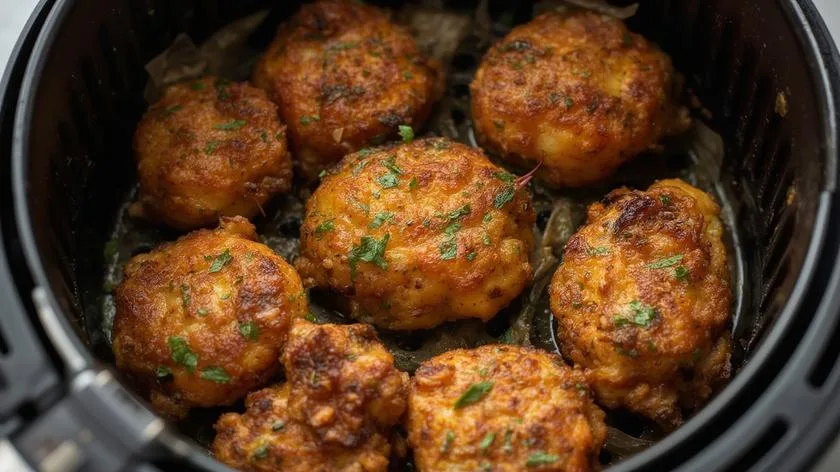
### 4. Turkey & Veggie Meatballs
– **Ingredients:** Ground turkey, grated zucchini, shredded carrot, onion, egg white, Italian seasoning, 1 tsp avocado oil.
– **Method:** Roll into 1‑inch balls, air‑fry at 190 °C for 14 minutes.
– **Nutrition (per 3 meatballs):** 180 kcal | Protein 18 g | Fat 7 g | Carbs 6 g.
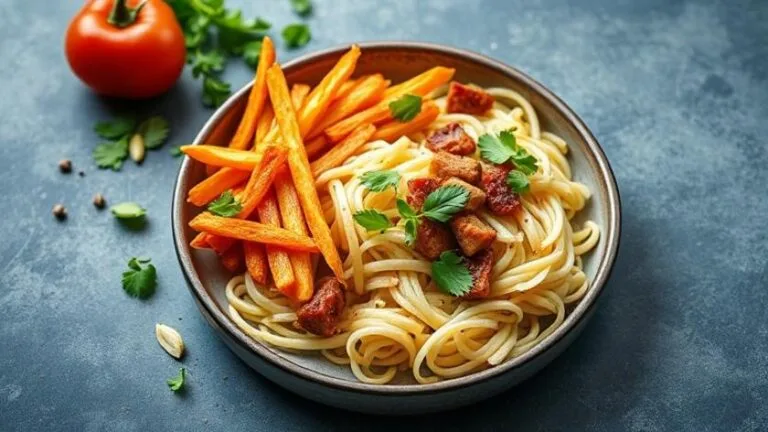
– **Pairing:** Toss with whole‑wheat spaghetti and marinara for a quick pasta night.
### 5. Apple Cinnamon Oatmeal Cups
– **Ingredients:** Rolled oats, unsweetened applesauce, cinnamon, nutmeg, ½ cup skim milk, 1 tsp maple syrup.
– **Method:** Mix, pour into silicone muffin molds, air‑fry at 170 °C for 12 minutes.
– **Nutrition (per cup):** 150 kcal | Carbs 30 g | Protein 5 g | Fat 2 g.
– **Breakfast Boost:** Top with a spoonful of ricotta and toasted almonds.
Each recipe demonstrates how the air fryer can replace deep‑frying, baking, or stovetop sauté while delivering comparable taste and texture. The underlying theme is simplicity: minimal added fats, reliance on whole‑food ingredients, and straightforward preparation steps that fit busy schedules.
Discover additional recipe ideas that align with these nutritional standards.
## Cooking Techniques for healthy air fryer cooking {#cooking-techniques-for-healthy-air-fryer-cooking}
Mastering the air fryer requires more than pressing “start.” Below are evidence‑based techniques that elevate both flavor and nutritional outcomes.
### a. Pre‑Seasoning vs. Post‑Seasoning
Season foods **before** cooking to allow spices to infuse the interior, but reserve delicate herbs (like basil or cilantro) for after the heat cycle to preserve volatile oils and antioxidant capacity.
### b. The “Shake & Flip” Rule
Most basket‑style models benefit from a midway shake or flip. This ensures even exposure to hot air, preventing soggy spots and promoting uniform browning—critical for achieving a crisp finish without excess oil.
### c. Layering for Multi‑Component Dishes
When preparing a full meal (protein, veg, carb), layer items based on required cooking time. Place denser items (e.g., root vegetables) at the bottom and quicker‑cooking items (e.g., fish) above, or use a parchment‑lined divider to keep flavors distinct.
### d. Temperature‑Time Calibration
Because air fryer models vary, begin with manufacturer recommendations, then adjust in 5‑minute increments. A lower temperature (160‑170 °C) for longer periods can render leafy greens tender without burning, whereas high‑heat bursts (200 °C) are optimal for searing meat.
### e. Minimal Oil Application Techniques
Utilize a spray bottle or brush to apply a thin film of oil—roughly 0.5 ml per 150 g of food. This ensures a golden exterior while keeping the overall fat contribution modest. For added crispness, coat foods in a light dusting of whole‑grain flour or ground nuts before spraying.
Applying these practices consistently will make every diet friendly air fryer recipes more reliable, repeatable, and nutritionally sound.
## Meal Planning & Prep Tips {#meal-planning-and-prep-tips}
Sustainable healthy eating hinges on foresight. Integrate air‑fryer meals into weekly plans using the following framework:
1. **Batch‑Cook Core Proteins** – Air‑fry a large tray of chicken thighs, tofu cubes, or fish fillets on Sunday. Store in airtight containers, reheating as needed.
2. **Pre‑Portion Veggies** – Slice carrots, zucchini, and Brussels sprouts; toss with a pinch of salt and a drizzle of oil. Keep ready for a 10‑minute cook‑through during weekday evenings.
3. **Create a “Sauce Hub”** – Whisk together low‑sodium soy‑ginger glaze, yogurt‑based tzatziki, or a roasted red‑pepper coulis. These sauces add variety without extra prep time.
4. **Utilize Mason Jars for Overnight Oats** – Incorporate the apple cinnamon oatmeal cups (see recipe) into a portable breakfast solution.
5. **Schedule “Theme Nights”** – Designate Monday for Mediterranean, Wednesday for Asian‑inspired, and Friday for comfort‑food transforms. This structure reduces decision fatigue and encourages balanced nutrition over the week.
By aligning pantry inventory, cooking blocks, and flavor themes, you transform the air fryer from a novelty into a cornerstone of a health‑forward culinary routine.
## Comparison Table: Air‑Fryer vs. Conventional Methods {#comparison-table}
| Metric | Air Fryer | Oven (Bake/Roast) | Deep Fryer |
|---|---|---|---|
| Typical Oil Use | 0.5‑2 tsp per serving | 1‑2 tbsp (optional) | 1 cup + |
| Average Cooking Time | 15‑25 min | 30‑45 min | 5‑10 min (but prep time higher) |
| Caloric Reduction* | 30‑45 % | 10‑20 % | 0 % (baseline) |
| Texture Quality (Crispness) | High | Moderate‑High | Very High |
| Retention of Nutrients | Excellent (short exposure) | Good | Reduced (oil degradation) |
| Cleanup Effort | Low (basket & tray) | Medium (multiple pans) | High (oil disposal) |
*Based on a standard 150 g portion of chicken breast, comparing pre‑ and post‑cooking caloric content.
## FAQ {#faq}
**Q1: Can I use frozen vegetables straight in the air fryer?**
A1: Yes; add a few extra minutes to the cooking time for optimal crispness.
**Q2: Is it safe to cook acidic foods like tomatoes?**
A2: Absolutely, but avoid prolonged exposure to prevent basket corrosion.
**Q3: How do I prevent my food from sticking?**
A3: Lightly spray the basket and/or use parchment liners designed for high heat.
**Q4: Do air‑fried foods retain more vitamins than baked ones?**
A4: Generally, shorter cooking times preserve heat‑sensitive nutrients better.
**Q5: Can I reheat air‑fried leftovers without losing crunch?**
A5: Re‑air‑fry at 180 °C for 3‑4 minutes to restore texture.
## Conclusion & Final Takeaways {#conclusion}
Integrating diet friendly air fryer recipes into your daily routine offers a pragmatic bridge between convenience and nutrition. By leveraging the appliance’s rapid hot‑air technology, you can achieve satisfying crispness while markedly reducing added fats, calories, and potentially harmful compounds. The recipes, techniques, and planning strategies outlined herein empower you to craft meals that align with weight‑management goals, cardiovascular health, and overall wellness—without sacrificing the pleasure of eating.
When you consistently apply the discussed cooking methods, experiment with the featured dishes, and adopt the meal‑prep framework, the air fryer evolves from a novelty gadget into a cornerstone of a sustainable, health‑centric lifestyle. Embrace the versatility, enjoy the flavor, and let each bite reinforce your commitment to a healthier you.
Search the article title for more inspiration and continue expanding your collection of nutritious, easy‑to‑prepare meals.