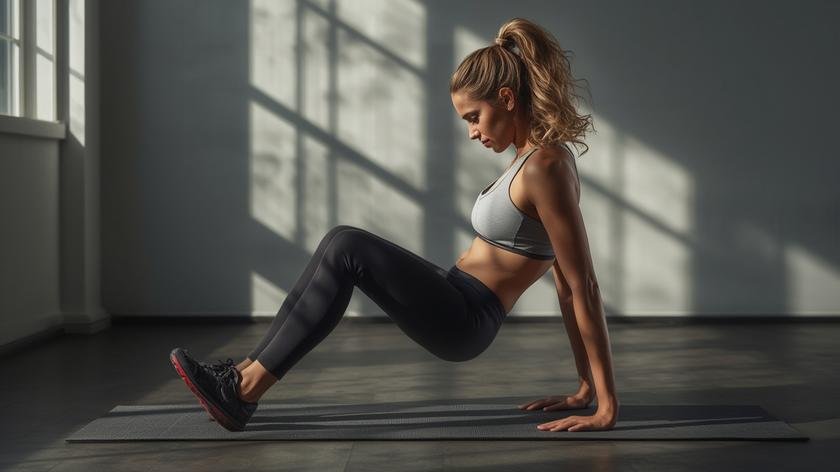
Adaptive Fitness Routine Ideas for Busy Lives
Finding time for consistent movement can feel impossible when days are packed with meetings, family duties, and unexpected errands. Yet the growing body of research on health‑centric lifestyles shows that even brief, well‑structured sessions can deliver measurable benefits, provided they are thoughtfully aligned with personal constraints. That is where adaptive fitness routine ideas become essential: they empower individuals to sculpt exercise plans that flex around work hours, travel schedules, and fluctuating energy levels, without sacrificing effectiveness.
Thank you for reading this post, don't forget to subscribe!For professionals juggling deadlines and parents coordinating school pickups, the key is not to add another rigid commitment but to integrate fluid, purpose‑driven activity that responds to the day’s reality. By embracing principles of adaptability—such as modular workouts, variable intensity, and strategic rest—you can build a sustainable system that evolves alongside your life. Below, we explore practical approaches that translate the concept of adaptive fitness routine ideas into actionable steps, ensuring your health goals stay within reach, even on the busiest of weeks.
Table of Contents
- Understanding Adaptive Fitness
- Time‑Efficient Strategies for Busy Schedules
- Equipment‑Light Options
- Integrating Mind‑Body Practices
- Building a Customized Workout Framework
- Progressive Variations and Periodization
- Tracking Results and Adjusting
- Comparison of Adaptive Approaches
- FAQ
- Conclusion and Final Takeaways
Understanding Adaptive Fitness
Adaptive fitness is not a new training philosophy; it is a response to the modern reality that static schedules rarely exist. The core premise is flexibility: workouts are broken into interchangeable modules that can be rearranged, shortened, or lengthened depending on the day’s demands. This modularity allows a 20‑minute high‑intensity circuit one morning to be swapped for a 10‑minute mobility flow the next, while still contributing to the same overarching goal—whether that’s cardiovascular health, strength development, or mobility enhancement.
Scientific literature underscores the efficacy of such variance. A 2022 meta‑analysis of interval‑based training demonstrated comparable VO₂max improvements between traditional 45‑minute sessions and condensed 15‑minute variable protocols, provided intensity thresholds were met. The implication for busy lives is clear: quality can trump quantity when workouts are intelligently crafted. By internalizing this perspective, you can begin mapping out adaptive fitness routine ideas that respect your calendar without compromising progress.
Time‑Efficient Strategies for Busy Schedules
When you have less than an hour to spare, strategic planning becomes paramount. The following tactics compress the most effective elements of a full‑body session into bite‑sized windows:
- Micro‑Blocks: Divide the day into 5‑ to 10‑minute slots (e.g., a quick set of bodyweight squats before a video call, followed by desk‑based stretches during a coffee break).
- Chunked Circuits: Select three compound movements—such as push‑ups, kettlebell swings, and lunges—perform each for 45 seconds, rest 15 seconds, and repeat for three rounds. The total time is under 10 minutes yet yields a metabolic stimulus.
- Tabata Style: 20 seconds on, 10 seconds off, eight cycles per exercise. This format maximizes calorie burn in a short period.
Implementing these methods requires a pre‑planned library of exercises, which you can easily reference via a quick‑look worksheet. Over time, these micro‑workouts accumulate into substantial weekly volume, keeping you on track without carving out a dedicated gym hour.
Equipment‑Light Options
Travel, office space, and home constraints often limit access to conventional gym gear. Fortunately, adaptive fitness thrives on minimal equipment:
- Resistance Bands: Offer variable tension for upper‑body pulls, lower‑body presses, and core engagements.
- Adjustable Dumbbells: Replace an entire rack while fitting under a desk.
- Bodyweight Patterns: Push‑ups, planks, mountain climbers, and pistol squats provide sufficient overload when executed with proper form.
Choosing equipment that folds, straps, or doubles for multiple exercises ensures your routine remains consistent regardless of location. Pair these tools with the micro‑block approach, and you’ll have a portable, adaptable system that satisfies the demands of a hectic lifestyle.
Integrating Mind‑Body Practices
Physical adaptation works best when paired with mental resilience. Incorporating brief mindfulness or breathing drills can amplify recovery, improve focus, and reduce stress hormones that undermine training gains. Consider these integrations:
- Box Breathing (4‑4‑4‑4): Four breaths in, hold, out, hold—ideal for pre‑workout calm.
- Dynamic Stretching Flow: A three‑minute sequence of hip openers and thoracic rotations, performed between work tasks.
- Progressive Muscle Relaxation: Post‑session, contract and release major muscle groups to enhance proprioception and aid sleep.
These practices require no extra equipment and fit naturally into the same micro‑blocks defined earlier, reinforcing the adaptive nature of the overall regimen.
Building a Customized Workout Framework
To translate generic ideas into a personal plan, follow a three‑step framework:
- Assess Constraints: Identify daily time windows, preferred exercise modalities, and available equipment.
- Define Objectives: Prioritize outcomes (e.g., strength, endurance, mobility) and assign them weightings.
- Construct Modules: Combine exercises into 5‑, 10‑, and 20‑minute blocks that align with the constraints and objectives.
By documenting this framework in a simple spreadsheet or note‑taking app, you create a living blueprint that can be reshuffled at a moment’s notice. This method also makes it easier to track progress, as each module’s metrics (reps, load, perceived effort) are logged systematically.
Progressive Variations and Periodization
Adaptation does not mean stagnation. To avoid plateaus, embed progressive overload within your modular system. Strategies include:
- Load Increment: Add 2–5 % weight or resistance weekly.
- Tempo Shifts: Slow the eccentric phase to increase time‑under‑tension.
- Volume Tweaks: Increase sets or reduce rest intervals.
Over a six‑week cycle, you might earmark two weeks for intensity peaks, two for volume, and two for active recovery. This micro‑periodization respects the fluidity of a busy life while ensuring continuous physiological stimulus.
Tracking Results and Adjusting
Data‑driven feedback is critical for sustainable progress. Choose simple metrics that require minimal time:
- Performance Logs: Record reps, sets, and resistance after each micro‑block.
- Wellness Scores: Rate energy, sleep quality, and stress on a 1‑10 scale each morning.
- Periodic Tests: Every 4‑6 weeks, conduct a brief benchmark (e.g., 5‑minute AMRAP) to gauge improvement.
When you notice trends—such as decreasing energy scores or stalled performance—adjust your modules accordingly, perhaps by inserting additional mobility work or reducing intensity for a week. This responsive loop embodies the essence of adaptive fitness, turning data into purposeful changes.
Comparison of Adaptive Approaches
| Approach | Time Commitment | Equipment Needed | Ideal For | Progression Flexibility |
|---|---|---|---|---|
| Micro‑Block Bodyweight | 5‑10 min/day | None | Travelers, office workers | High (tempo, reps) |
| Band‑Based Circuit | 10‑15 min/day | Resistance bands | Small‑space homes | Medium (band tension) |
| Weighted Tabata | 12‑20 min/session | Dumbbells/kettlebell | Strength‑focused individuals | High (load, intervals) |
| Mind‑Body Fusion | 5‑8 min/day | None | Stress‑management focus | Medium (breathing, flow) |
Reviewing this table helps you select the most compatible style or blend elements to construct a hybrid system that aligns perfectly with your schedule. For deeper insight, you can also search online for community experiences and scientific articles.

FAQ
- Can I start with no equipment? Yes, bodyweight moves are sufficient for early stages.
- How often should I change my modules? Every 2–4 weeks to prevent adaptation.
- Is a warm‑up still needed? A brief 2‑minute dynamic stretch is recommended.
- Will short sessions improve cardio? High‑intensity intervals can boost VO₂max efficiently.
- Can I track progress on a phone? Numerous apps let you log reps, load, and wellness scores.

Conclusion and Final Takeaways
Adaptive fitness is a pragmatic response to the reality that modern lives rarely conform to static schedules. By breaking workouts into flexible modules, leveraging equipment‑light options, and integrating mind‑body practices, you can craft a sustainable system that respects both your time constraints and health ambitions. Remember to assess your daily windows, define clear objectives, and build a Customized Workout framework that can be reshuffled on the fly. Continuous tracking and strategic progression ensure that each micro‑session contributes meaningfully to long‑term improvement.
Implement these adaptive fitness routine ideas consistently, monitor the feedback loops, and adjust as life evolves. Over time, the compounded effect of short, focused sessions will manifest as increased strength, better endurance, and enhanced wellbeing—proving that even the busiest schedules can accommodate purposeful movement.