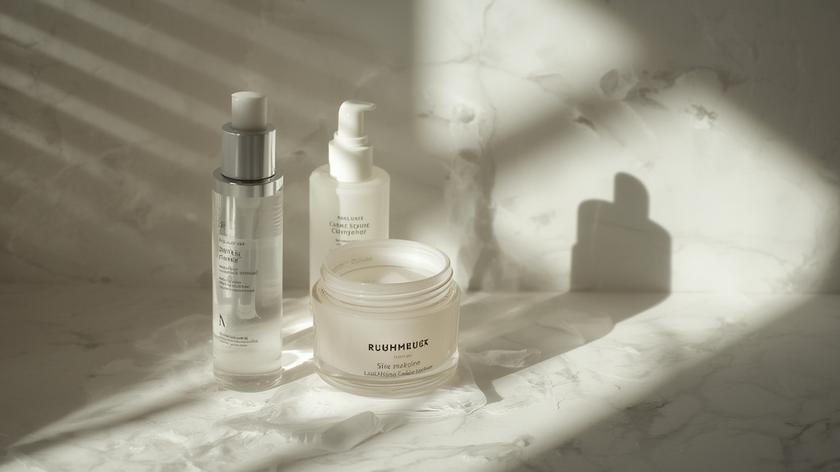
Night Skin Care Routine for Glowing Complexion
The skin’s natural repair processes intensify after the lights go out, making the evening hours an ideal window for targeted treatment. By aligning your habits with the body’s circadian rhythm, you can enhance cell turnover, reinforce the moisture barrier, and diminish the appearance of fine lines. A well‑designed night skin care routine leverages these nightly mechanisms, delivering nutrients and protection exactly when the skin is most receptive.
Thank you for reading this post, don't forget to subscribe!Equally important is understanding how daytime habits set the stage for nighttime recovery. While morning skincare tips prepare the skin for UV exposure and environmental stressors, the evening regimen focuses on repair, hydration, and preparation for the next day. Balancing both sides of the clock creates a continuous loop of protection and renewal, leading to a radiant, even complexion over time.
## Table of Contents
– Understanding Skin Repair at Night
– Step‑by‑Step Night Skin Care Routine
– Key Ingredients for Overnight Glow
– Common Mistakes to Avoid
– Product Types and Their Benefits
– Routine Comparison Table
– FAQ
– Conclusion and Final Takeaways
## Understanding Skin Repair at Night
During sleep, the body releases growth hormone, which stimulates collagen synthesis and tissue regeneration. The skin’s permeability increases, allowing active ingredients to penetrate more deeply. Additionally, the reduced exposure to pollutants and blue light means oxidative stress declines, giving antioxidants a better chance to neutralize lingering free radicals.
Research shows that the stratum corneum (the outermost layer) re‑forms its lipid matrix most efficiently between 10 p.m. and 2 a.m. This period is crucial for sealing in moisture and reinforcing the barrier function. Skipping a nightly regimen can therefore slow down these natural processes, leading to visible signs of fatigue and dullness.
## Step‑by‑Step night skin care routine
1. **Cleanse with a gentle, pH‑balanced formula** – A low‑foaming cleanser removes residual makeup, sunscreen, and daytime pollutants without stripping essential oils.
2. **Apply a hydrating toner or essence** – Look for humectants such as hyaluronic acid or glycerin to attract water into the epidermis.
3. **Targeted serum** – Choose a concentrate rich in retinoids, peptides, or niacinamide, depending on your primary concern (aging, hyperpigmentation, or barrier repair).
4. **Eye cream** – The periorbital area is thin and prone to water loss; a lightweight peptide‑infused eye cream can reduce fine lines.
5. **Moisturizer** – Opt for a cream with ceramides and occlusive agents like shea butter to lock in hydration.
6. **Optional overnight mask** – Once or twice a week, replace the final moisturizer with a sleeping mask to amplify repair.
Each step should be applied in a measured amount, allowing 30‑60 seconds of absorption before moving to the next product. This layered approach maximizes efficacy while preventing product overload that can clog pores.
## Key Ingredients for Overnight Glow
| Ingredient | Primary Benefit | Ideal Skin Type | Typical Concentration |
|————|—————-|—————-|———————-|
| Retinol (or retinal) | Stimulates collagen, accelerates cell turnover | All, except very sensitive | 0.1–0.5% |
| Peptides (e.g., Matrixyl) | Signal fibroblasts to produce elastin and collagen | Mature, dehydrated | 2–5% |
| Niacinamide | Improves barrier, reduces redness, evens tone | Oily, combination, acne‑prone | 4–10% |
| Ceramides | Restore lipid lamellae, lock in moisture | Dry, eczema‑prone | 1–3% |
| Hyaluronic Acid (multi‑molecular) | Deep hydration, plumps fine lines | All | 0.5–2% |
| Vitamin C (stable forms) | Antioxidant protection, brightening | Normal, dull complexion | 5–15% |
When selecting products, pay attention not only to the active concentration but also to supporting ingredients that ensure stability (e.g., a suitable pH for niacinamide) and skin comfort.
## Common Mistakes to Avoid
– **Over‑exfoliating before bed** – Strong acids or physical scrubs can compromise the barrier, making the skin more vulnerable during repair.
– **Skipping the moisturizer** – Even oily skin needs a sealant to prevent transepidermal water loss while you sleep.
– **Using high‑strength retinol without gradual adaptation** – Sudden high doses cause irritation and can interrupt the natural repair cycle.
– **Applying products in the wrong order** – Heavier creams should always be the final step; applying a serum after a thick moisturizer defeats its purpose.
Addressing these pitfalls ensures that the night skin care routine works synergistically rather than counterproductively.
## Product Types and Their Benefits
| Product Type | When to Use | Key Benefits |
|————–|————-|————–|
| **Cleansing Balm** | Heavy makeup days | Dissolves pigments without harsh surfactants |
| **Essence** | Daily base layer | Boosts hydration, preps skin for actives |
| **Serum** | Targeted concerns | High concentration of actives |
| **Barrier Cream** | Sensitive or compromised skin | Reinforces lipids, reduces TEWL |
| **Sleep Mask** | 1‑2 times weekly | Provides occlusive environment for deeper penetration |
Choosing the right combination depends on lifestyle, skin concerns, and seasonality. For example, a richer barrier cream may be essential in winter, while a lightweight gel serum could suffice in humid summer months.
## Routine Comparison Table
| Aspect | Basic Routine | Advanced Routine | Minimalist Routine |
|---|---|---|---|
| Number of Steps | 4 (Cleanser, Toner, Moisturizer, Mask) | 6 (Cleanser, Toner, Serum, Eye Cream, Moisturizer, Mask) | 3 (Cleanser, Moisturizer, Optional Mask) |
| Active Ingredients | Basic hydrating agents | Retinol, Peptides, Niacinamide, Ceramides | Only humectants |
| Time Commitment | 5‑7 minutes | 12‑15 minutes | 3‑4 minutes |
| Best For | Beginners, Sensitive skin | Experienced users, Specific concerns | Travel, Busy schedules |
| Potential Risks | Under‑treatment | Over‑stimulation if not paced | Insufficient barrier support |
The table helps readers decide which level of complexity aligns with their current skin goals and lifestyle constraints.
## FAQ
**How many times a week should I use retinol at night?**
Start with 2‑3 nights, then increase as tolerated.
**Can I double‑cleanse if I wear makeup?**
Yes, a gentle oil‑based cleanser followed by a water‑based one works well.
**Is it okay to mix vitamin C serum with retinol?**
Use them at different times (morning vs. night) to avoid irritation.
**Should I adjust my routine for seasonal changes?**
Add richer moisturizers in winter; lighter gels in summer.
**Do I need an eye cream if I use a serum with peptides?**
Eye area is thinner; a dedicated eye cream provides extra safety.
## Conclusion and Final Takeaways
An intentional night skin care routine is more than a collection of products; it is a strategic alignment with the skin’s innate repair clock. By cleansing properly, layering actives in the correct order, and sealing moisture with barrier‑supporting ingredients, you create a fertile environment for collagen synthesis, pigment regulation, and overall radiance.
Remember that consistency outweighs occasional extravagant treatments. Pair your evening regimen with thoughtful morning skincare tips to maintain the gains you achieve overnight. As you refine each step—whether you opt for the basic, advanced, or minimalist approach—monitor how your skin responds and adjust accordingly.
Read more about the science behind skin regeneration and continue building a habit that supports long‑term health. For a broader perspective, explore this search: Night Skin Care Routine for Glowing Complexion.
Embrace the quiet power of nighttime, and let your complexion reflect the benefits of disciplined, evidence‑based care.