Central Asia Travel Destinations You Need to Explore
Travelers seeking a blend of ancient Silk Road mystique, soaring mountain ranges, and vibrant nomadic cultures often set their sights on Central Asia travel destinations. The region’s nine‑country tapestry offers a surprising depth of experiences, from bustling bazaars echoing with the call to prayer to tranquil desert oases where time seems to stand still. Whether you’re a history buff tracing the footsteps of caravans or an adventure enthusiast chasing high‑altitude thrills, the area presents a rewarding juxtaposition of old and new.
Thank you for reading this post, don't forget to subscribe!Beyond the postcard scenery, each corner of this crossroads holds practical allure: manageable visa regimes, growing tourism infrastructure, and a reputation for warm hospitality that rarely disappoints. By exploring the diverse offerings of Central Asia travel destinations, visitors can craft itineraries that suit a range of budgets, interests, and timeframes, all while contributing to the sustainable development of the region.
Table of Contents
- Historical Highlights of the Silk Road
- Natural Wonders and Outdoor Adventures
- Cultural Capitals and UNESCO Sites
- Kazakhstan: A Spotlight on Kazakhstan tourism
- Practical Tips for First‑Time Visitors
- Sustainable Travel Practices
- Comparison Table of Key Destinations
- Frequently Asked Questions
- Conclusion and Final Takeaways
Historical Highlights of the Silk Road
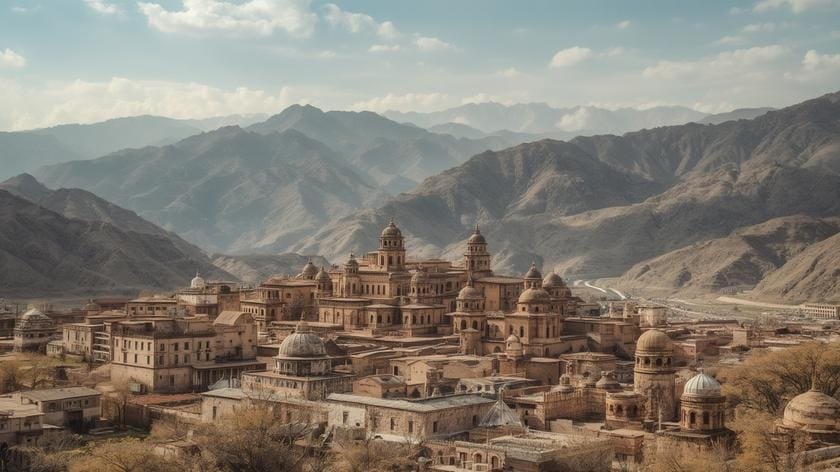
The legacy of the Silk Road is etched into the very stone of Central Asia. Cities such as Samarkand and Bukhara, located in modern‑day Uzbekistan, served as bustling trade hubs where merchants exchanged silk, spices, and ideas. Their majestic madrasas, intricate tilework, and towering minarets still draw scholars and tourists alike. Walking through Registan Square, for example, feels like stepping into a living museum where each façade tells a story of empire, conquest, and artistic exchange.
Further east, the ancient city of Khiva preserves an almost untouched urban core, known as Itchan Kala. Its winding alleys, caravanserais, and ornately decorated gates offer a rare glimpse into the pre‑modern urban fabric that once linked Europe and Asia. For history enthusiasts, these sites provide more than visual splendor; they serve as tangible links to the cultural dialogues that shaped the world.
Natural Wonders and Outdoor Adventures
Beyond historic streets, Central Asia boasts some of the most dramatic landscapes on the planet. The towering peaks of the Pamir and Tien Shan ranges challenge even seasoned mountaineers, while the rolling steppe offers endless horizons perfect for horseback riding. In Kyrgyzstan, Lake Issyk‑Kul, one of the world’s largest alpine lakes, combines crystal‑clear water with surrounding snow‑capped mountains, creating a backdrop ideal for kayaking, hiking, or simply unwinding on the shore.
For travelers yearning for a desert experience, the vast Kyzylkum and the barren expanses of the Karakum provide stark, photogenic vistas. Guided 4×4 tours across these deserts reveal hidden oases, ancient petroglyphs, and the nomadic traditions that have survived for centuries. In Mongolia’s border region, the Gobi Desert’s towering dunes and flaming cliffs add yet another layer to the region’s ecological diversity.
Cultural Capitals and UNESCO Sites
Each nation within the region contributes its own cultural flavor. Bishkek, the capital of Kyrgyzstan, blends Soviet‑era architecture with a burgeoning arts scene, evidenced by its vibrant street murals and lively bazaar culture. Meanwhile, Dushanbe, Tajikistan’s capital, offers peaceful parks and museums that showcase the country’s poetic legacy, particularly the works of the celebrated poet Rudaki.
In Turkmenistan, the capital Ashgabat gleams with marble façades and towering monuments, an ostentatious testament to modern nation‑building. Yet perhaps the most universally admired site remains the historic city of Merv in Turkmenistan, once hailed by Marco Polo as “the greatest caravan city of the world.” Designated a UNESCO World Heritage Site, Merv’s ruins encapsulate the rise and fall of empires across millennia.
Kazakhstan: A Spotlight on Kazakhstan tourism
Kazakhstan, the world’s ninth‑largest country, offers a striking blend of cosmopolitan cities and untouched wilderness. Almaty, perched at the foot of the Zailiyskiy Alatau mountains, is a gateway for hikers aiming to summit the famed Pik Alatau or explore the nearby Charyn Canyon, often dubbed “the Grand Canyon of Central Asia.” The city’s vibrant café culture and art galleries reflect a youthful energy that coexists with traditional Kazakh customs.
Further north, the capital Nur‑Sultan (formerly Astana) showcases futuristic architecture, from the iconic Bayterek Tower to the sleek Khan Shatyr entertainment complex, a massive tent‑like structure that houses a shopping mall and indoor beach. The vast steppes stretching from the Caspian Sea to the Altai Mountains provide an ideal setting for classic Kazakh activities such as eagle hunting demonstrations and nomadic yurt stays, offering travelers authentic cultural immersion.
For those prioritising wildlife, the Aksu‑Zhabagly National Park in the western foothills is a haven for rare flora and fauna, including the elusive snow leopard. The park’s network of trails encourages responsible trekking while supporting local conservation efforts.
To plan a seamless itinerary across Kazakhstan, consider exploring seasonal travel windows that align with regional festivals such as Nauryz, a spring celebration that showcases traditional music, horse games, and sumptuous feasts.
Practical Tips for First‑Time Visitors
Visa policies across Central Asia have become increasingly traveller‑friendly. Citizens of many Western countries can obtain e‑visas for Kazakhstan, Uzbekistan, and Kyrgyzstan, often within a few business days. It is advisable to verify the latest entry requirements well before departure, as regulations may shift with geopolitical developments.
Currency exchange is straightforward in larger cities, where banks and ATMs accept major cards. In more remote areas, cash in local currencies—such as the Kazakh tenge, Uzbek som, or Kyrgyz som—remains essential. Learning a few key phrases in Russian or the native Turkic languages can dramatically improve interactions with locals, especially in village settings where English proficiency is limited.
Transportation networks have improved significantly. International airports in Almaty, Tashkent, and Bishkek connect directly to European and Middle Eastern hubs, while regional railways like the Trans‑Kazakhstan line offer scenic journeys across the steppe. For flexible travel, shared taxis and minibusses (known as “marshrutkas”) provide an affordable way to hop between towns.
Health considerations include staying hydrated at high altitudes and carrying a basic medical kit. Travel insurance that covers emergency evacuation is highly recommended, given the remote nature of many trekking routes.
Sustainable Travel Practices
Preserving the delicate ecosystems and cultural heritage of Central Asia requires mindful tourism. Opt for locally owned guesthouses and tour operators, which ensures that revenue supports community development. When trekking, stick to marked paths to minimize soil erosion and avoid disturbing wildlife habitats, especially in protected areas like the Sary‑Chelek Biosphere Reserve.
Minimize plastic waste by carrying reusable water bottles and containers, as many remote settlements lack recycling facilities. Respect local customs: seek permission before photographing individuals, dress modestly when visiting mosques, and participate in community‑led initiatives such as clean‑up drives when possible.
By embracing these practices, travelers not only protect the environment but also foster goodwill, encouraging host communities to continue welcoming visitors for generations to come.
Comparison Table of Key Destinations
| Destination | Signature Attraction | Best Season | Visa Ease (1‑5) | Adventure Score (1‑5) |
|---|---|---|---|---|
| Almaty, Kazakhstan | Charyn Canyon & Zailiyskiy Alatau | June‑Sept | 4 | 5 |
| Samarkand, Uzbekistan | Registan Square | Apr‑Oct | 5 | 3 |
| Bishkek, Kyrgyzstan | Ala‑Archa National Park | July‑Aug | 4 | 5 |
| Dushanbe, Tajikistan | Hissor Fortress | May‑Sep | 3 | 4 |
| Ashgabat, Turkmenistan | Morghab (Gypjak) Mosque | Oct‑Mar | 2 | 2 |
Frequently Asked Questions
- What’s the safest time to visit Central Asia? Late spring to early autumn, when weather is mild.
- Do I need a visa for Kazakhstan? Many nationals qualify for an e‑visa or visa‑free entry.
- Is English widely spoken? Limited in rural areas; Russian and local languages dominate.
- Can I travel between countries by train? Yes, there are regular rail links connecting major cities.
- Are there reliable medical facilities? Urban centers have good hospitals; remote areas rely on basic clinics.
Conclusion and Final Takeaways
Exploring Central Asia travel destinations offers a unique blend of history, nature, and cultural immersion that few other regions can match. The diverse attractions—from Silk Road monuments to soaring mountain passes—invite travelers to chart personalized journeys while contributing positively to local economies.
By planning thoughtfully, respecting local customs, and embracing sustainable practices, you can experience the region’s richness responsibly. Whether your itinerary centers on the bustling streets of Tashkent, the serene lakes of Kyrgyzstan, or the modern skyline of Nur‑Sultan, each step deepens your connection to a landscape that has shaped world history for centuries.
Consider incorporating some of the highlighted destinations into your future travel plans, and feel confident that your adventure will be both memorable and meaningful.
For further reading, you may wish to explore additional resources such as Google search results or Bing search results for up‑to‑date travel guides and community experiences.