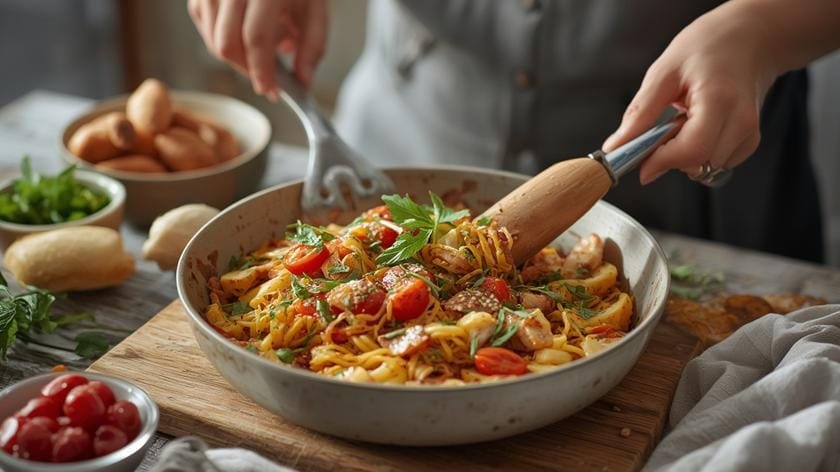
Foods for Lifestyle Cooking: Healthy Recipes for Busy Lives
In today’s fast‑paced world, finding time to prepare nutritious meals can feel like an impossible puzzle. That’s why foods for lifestyle cooking have become a cornerstone for anyone who wants to nourish the body without sacrificing precious minutes. By focusing on versatile ingredients that can be combined in multiple ways, you create a flexible foundation that adapts to unpredictable schedules while still supporting long‑term health goals.
Thank you for reading this post, don't forget to subscribe!Integrating healthy recipes into a busy routine doesn’t require culinary expertise—just a strategic approach to ingredient selection, batch preparation, and smart storage. When you master the principles behind foods for lifestyle cooking, you unlock the ability to serve satisfying meals in minutes, keeping energy levels steady and avoiding the temptation of nutrient‑poor convenience foods.
## Table of Contents
– Why Lifestyle Cooking Matters
– Key Food Groups for Busy Lifestyles
– Meal Prep Strategies
– Quick Example Recipes
– Nutrition Tips for On‑the‑Go
– Comparison of Meal Planning Tools
– FAQ
– Conclusion and Final Takeaways
## Why Lifestyle Cooking Matters
Lifestyle‑oriented cooking shifts the focus from isolated dishes to a system of ingredients that work harmoniously across meals. This mindset reduces decision fatigue: once your pantry is stocked with a handful of nutrient‑dense staples, assembling breakfast, lunch, or dinner becomes a matter of mixing and matching. The approach also combats the “too‑busy‑to‑cook” syndrome by ensuring that a well‑planned base of foods is always on hand, ready to be transformed with minimal effort.
Research from nutrition scientists highlights that regular consumption of whole, minimally processed foods correlates with better metabolic health, lower inflammation, and improved mental clarity. By embedding these principles into daily routines, individuals can experience sustained energy without the afternoon slump that often follows refined‑carb heavy meals. Moreover, the habit of choosing balanced foods builds resilience against stress‑induced cravings, fostering a healthier relationship with food overall.
## Key Food Groups for Busy Lifestyles
A practical grocery list for lifestyle cooking centers on four core categories:
1. **Whole Grains** – quinoa, brown rice, whole‑wheat couscous, and oats provide complex carbohydrates that release energy gradually.
2. **Lean Proteins** – canned beans, lentils, pre‑cooked chicken breast strips, tofu, and low‑fat Greek yogurt supply essential amino acids for muscle repair.
3. **Colorful Vegetables** – frozen mixed vegetables, fresh baby spinach, bell peppers, and shredded carrots offer fiber, vitamins, and antioxidants.
4. **Healthy Fats** – extra‑virgin olive oil, avocado, nuts, and seeds introduce satiety‑boosting monounsaturated fats and omega‑3 fatty acids.
When you stock these groups in proportion (approximately 40 % grains, 30 % protein, 20 % vegetables, 10 % fats), you create a balanced macronutrient profile that can be customized for any meal. The flexibility of frozen vegetables, for example, guarantees a nutrient‑rich option even when fresh produce is unavailable, while canned beans eliminate the need for soaking and cooking from scratch.
## Meal Prep Strategies
Effective prep doesn’t mean spending hours in the kitchen every Sunday; it means designing micro‑tasks that fit into tight windows. Below are three scalable strategies:
### 1. Batch Cook Once, Portion Many Times
Cook a large pot of quinoa or brown rice while you’re waiting for coffee to brew. Divide the cooked grain into single‑serve containers, add a protein source, and top with a quick‑sautéed vegetable mix. This “grab‑and‑go” system reduces daily cooking to reheating for 2–3 minutes.
### 2. Assemble “Components” Separate from “Sauces”
Keep proteins, vegetables, and grains separate in the fridge. When it’s time to eat, combine them with a pre‑made sauce—such as a lemon‑tahini drizzle, a low‑sodium soy‑ginger glaze, or a simple olive‑oil‑herb vinaigrette. This method prevents soggy textures and extends shelf life.
### 3. Use the “One‑Pan” Technique
Line a sheet pan with parchment paper, scatter a protein (e.g., salmon fillets) and a mix of vegetables, drizzle with oil, and roast at 200 °C for 15‑20 minutes. The entire meal cooks together, minimizing cleanup and cutting down active cooking time to under 10 minutes.
Incorporating a dedicated “prep night” of 30 minutes—perhaps while watching a favorite show—can set you up for an entire week of nutritious meals, leaving you more mental bandwidth for work or family commitments.
## Quick Example Recipes
Below are three streamlined recipes that illustrate the potency of foods for lifestyle cooking. Each recipe leverages the core food groups and can be assembled in under 15 minutes.
### 1. Mediterranean Quinoa Bowl
– **Ingredients**: 1 cup cooked quinoa, ½ cup canned chickpeas (rinsed), ¼ cup diced cucumber, ¼ cup halved cherry tomatoes, 2 Tbsp crumbled feta, 1 Tbsp olive‑oil, juice of ½ lemon, pinch of oregano, salt & pepper.
– **Method**: Toss quinoa, chickpeas, cucumber, and tomatoes in a bowl. Drizzle with olive‑oil, lemon juice, and oregano. Top with feta. Serve cold or at room temperature.
– **Nutrient Highlight**: Provides 20 g protein, 8 g fiber, and a balanced ratio of carbs to healthy fats.
### 2. Spicy Chicken & Veggie Stir‑Fit
– **Ingredients**: 150 g pre‑cooked chicken strips, 1 cup frozen stir‑fry vegetable blend, 1 Tbsp low‑sodium soy sauce, ½ Tbsp honey, ¼ tsp chili flakes, 1 tsp sesame oil.
– **Method**: Heat sesame oil in a skillet, add vegetables, cook 3‑4 minutes. Add chicken, soy sauce, honey, and chili flakes; stir for another 2 minutes. Serve over a scoop of brown rice or enjoy alone.
– **Nutrient Highlight**: Delivers lean protein and a quick dose of antioxidants from the veg mix.
### 3. Overnight Oats Power Pack
– **Ingredients**: ½ cup rolled oats, ¾ cup unsweetened almond milk, 2 Tbsp Greek yogurt, 1 Tbsp chia seeds, ½ banana sliced, handful of berries, drizzle of honey (optional).
– **Method**: In a mason jar, combine oats, milk, yogurt, and chia seeds. Stir, seal, and refrigerate overnight. In the morning, top with banana, berries, and honey if desired.
– **Nutrient Highlight**: Offers sustained energy, 10 g fiber, and ample calcium for bone health.
These dishes showcase how a concise pantry can support a week of varied meals, reinforcing the principle that simplicity and nutrition can coexist beautifully.
## Nutrition Tips for On‑the‑Go
1. **Prioritize Protein at Every Meal** – Protein stabilizes blood sugar, curbs cravings, and supports muscle maintenance. Aim for 20‑30 g per eating occasion; canned fish, cottage cheese, and boiled eggs are quick options.
2. **Include Fiber-Rich Add‑Ins** – A tablespoon of ground flaxseed or a handful of mixed nuts can boost fiber without adding bulk, helping you feel fuller longer.
3. **Hydrate Strategically** – Drinking a glass of water before meals can prevent overeating. Keep a reusable bottle at your desk to maintain consistent intake.
4. **Mind the Sodium** – Pre‑packaged foods often hide excess salt. Choose low‑sodium broth, limit soy sauce, and rinse canned beans before use.
5. **Use Seasonings for Flavor Without Calories** – Fresh herbs, spices, citrus zest, and vinegar add depth without compromising health goals.
By embedding these habits into your daily routine, you reinforce the benefits of foods for lifestyle cooking and keep your nutritional profile robust even on the busiest days.
## Comparison of Meal Planning Tools
The following table contrasts three popular digital solutions that assist in organizing lifestyle cooking projects. It evaluates cost, automation features, and integration with grocery delivery services.
| Tool | Price (Monthly) | Automation (Meal Templates, Shopping List) | Grocery Integration | Best For |
|---|---|---|---|---|
| PlanEat Pro | $4.99 | ✔︎ Custom templates, auto‑generate shopping lists | ✔︎ Partners with Instacart & Amazon Fresh | Individual busy professionals |
| MealMap Lite | Free | ✖︎ Manual entry only | ✖︎ No direct integration | Budget‑conscious beginners |
| PrepMaster Suite | $9.99 | ✔︎ AI‑suggested meals based on pantry inventory | ✔︎ Direct links to local grocery APIs | Families with complex dietary needs |
Choosing the right platform hinges on how much automation you desire versus how much you enjoy hands‑on planning. Even a free tool can be effective when paired with a disciplined prep routine.
## FAQ
**Q1: Can I rely solely on frozen vegetables for nutrition?**
A1: Yes, they retain most vitamins and are convenient year‑round.
**Q2: How long can pre‑cooked grains stay fresh in the fridge?**
A2: Up to five days when stored in airtight containers.
**Q3: Is it safe to eat canned beans without rinsing?**
A3: Rinsing reduces excess sodium and improves texture.
**Q4: What’s the quickest protein source for a meal?**
A4: Pre‑cooked chicken strips or canned tuna.
**Q5: Do I need a food scale for accurate portions?**
A5: Not essential; visual cues work for most home cooks.
**Q6: How often should I rotate my pantry staples?**
A6: Every 3–4 months to ensure freshness and variety.
## Conclusion and Final Takeaways
Mastering foods for lifestyle cooking equips you with a resilient food system that thrives amid hectic schedules and unpredictable demands. By concentrating on a core set of whole ingredients, employing batch‑prep techniques, and leveraging simple digital tools, you can consistently deliver meals that support energy, focus, and long‑term health. Remember that the goal isn’t perfection but progress—each deliberate food choice builds momentum toward a sustainable, nourishing lifestyle.
For those ready to explore more ideas, consider conducting a quick web lookup: search for more ideas. Continue refining your pantry, experiment with flavor combinations, and let the principles outlined here guide you toward a thriving, balanced routine.