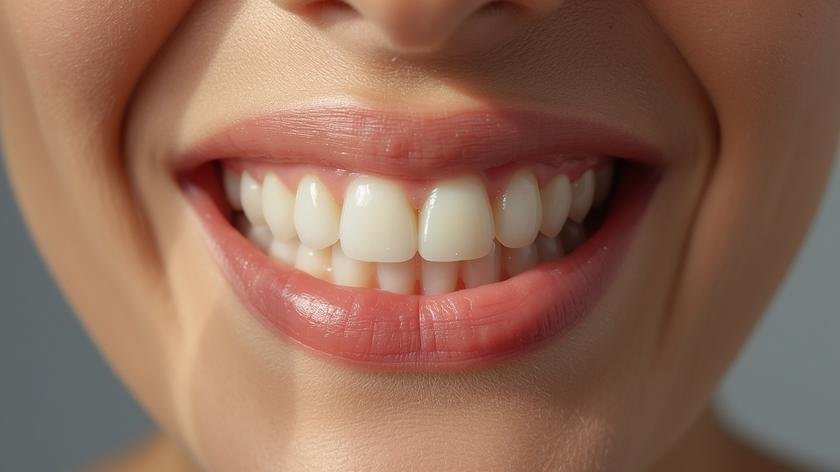
Losing Teeth Dreams: An Explained Guide
Dreams about teeth falling out have haunted people across cultures for centuries, often stirring a blend of anxiety and curiosity. Whether the teeth crumble, slip, or simply disappear, such visions can feel unsettling, prompting a search for meaning. This losing teeth dreams explained guide aims to unpack the layers of symbolism, psychological triggers, and cultural contexts that give these nocturnal episodes their power.
Thank you for reading this post, don't forget to subscribe!By exploring the roots of this common dream motif, readers can gain clearer insight into what their subconscious may be communicating. Understanding the nuances behind the imagery can transform a seemingly ominous scenario into a valuable self‑reflection tool, helping you navigate both waking concerns and deeper emotional currents.
Table of Contents
- Understanding Dream Symbolism
- Psychological Interpretations
- Spiritual & Cultural Perspectives
- Common Triggers & Scenarios
- Practical Steps to Analyze Your Dream
- Dream vs. Reality: Key Differences
- FAQ
- Conclusion & Final Takeaways
Understanding Dream Symbolism
Dream imagery operates through metaphor, and teeth are no exception. In many symbolic systems, teeth represent power, confidence, and the ability to “bite” into life’s challenges. When they disappear in a dream, the subconscious may be signaling a perceived loss of personal agency or a fear of being rendered ineffective.Explore deeper symbolism within this theme by reflecting on recent situations where control felt elusive.
Additionally, the physical sensation of teeth falling—a feeling you might actually experience while asleep—can intensify the emotional charge of the dream, making the symbolism feel more vivid and urgent. This visceral quality often leads dreamers to remember the episode in striking detail, reinforcing the impression that the message is significant.
Psychological Interpretations
From a psychoanalytic perspective, the loss of teeth can be linked to unresolved childhood issues, particularly those surrounding oral development such as weaning or early speech challenges. Sigmund Freud famously associated teeth with castration anxiety, but modern therapists interpret the motif more broadly as a sign of anxiety about personal appearance and self‑esteem. Experiencing Tooth Loss in waking life—whether through dental problems or aesthetic concerns—often transfers into dream content.
Cognitive‑behavioral frameworks view the dream as a manifestation of stressors that the brain is trying to reorganize. High‑pressure environments, impending public speaking, or health scares can trigger scenarios where the dreamer “loses” a crucial tool for communication and nourishment, encapsulating underlying worries in a symbolic narrative.
Spiritual & Cultural Perspectives
Around the world, interpretations of teeth‑related dreams vary dramatically. In some East Asian traditions, losing teeth foretells upcoming travel or a move, while in parts of Africa the motif may be seen as a warning of illness in the family. Indigenous cultures sometimes regard missing teeth as an invitation to pay attention to spiritual hygiene, urging the dreamer to cleanse negative energies.
Western folklore often ties the loss of teeth to mortality, suggesting a subconscious preoccupation with aging or death. However, many contemporary spiritual guides reinterpret the image as an invitation to let go of outdated beliefs, encouraging personal rebirth and transformation.
Common Triggers & Scenarios
Identifying patterns in life events can illuminate why the dream appears. Typical triggers include:
- Significant life transitions (new job, relocation, relationship changes)
- Health anxieties, especially concerning oral care or nutrition
- Financial pressures—teeth as a metaphor for “biting” into resources
- Stressful social interactions, where fear of judgment about appearance surfaces
When any of these stressors dominate daily thoughts, the subconscious may weave them into the familiar narrative of teeth slipping away, providing a symbolic outlet for processing the tension.
Practical Steps to Analyze Your Dream
To extract actionable insights from a losing teeth dreams explained guide, follow these structured steps:
- Record Details Immediately: Jot down the setting, emotions, and any dialogue. The richer the data, the clearer the pattern.
- Identify Current Stressors: List recent life events that align with the triggers above.
- Map Symbol to Emotion: Ask, “What does losing my teeth feel like emotionally?” Common answers: helplessness, embarrassment, fear.
- Explore Alternative Metaphors: Consider whether the teeth could represent another “tool” in your life (e.g., a skill, relationship, or financial asset).
- Take a Small Action: If the dream reflects a fear of losing control, create a tangible plan to regain agency—such as setting a micro‑goal.

Dream vs. Reality: Key Differences
| Aspect | Dream Experience | Waking Life Equivalent |
|---|---|---|
| Control | Teeth slip or crumble beyond your influence | Feeling powerless in a project or relationship |
| Physical Sensation | Sudden jolt, sometimes pain | Actual oral discomfort or anxiety about appearance |
| Emotional Tone | Fear, embarrassment, urgency | Stress about performance, health, or aging |
| Outcome | Teeth are gone, sometimes replaced | Real‑world consequences (e.g., dental treatment, lifestyle change) |
FAQ
- What does losing a tooth in a dream mean? Symbolic loss of control or confidence.
- Can the dream predict actual tooth loss? Not directly; it reflects subconscious stress.
- Do cultural meanings change the interpretation? Yes; different traditions assign varied significance.
- How often should I journal these dreams? Whenever you recall vivid details.
- Is there a link to health issues? Indirect; anxiety may amplify bodily awareness.
Conclusion & Final Takeaways
Dreams about losing teeth serve as a versatile mirror, reflecting personal insecurities, cultural narratives, and physiological signals. By approaching the experience with curiosity and a systematic analysis framework, you can transform an unsettling vision into a catalyst for self‑growth. Remember that the symbolism is flexible; the same motif may signal different messages at various life stages.
If you found this losing teeth dreams explained guide helpful, consider revisiting your dream journal regularly to track evolving patterns. A consistent practice not only deepens self‑awareness but also strengthens your ability to respond proactively to the underlying concerns that your subconscious brings to light.
For further reading on related dream symbolism, you might explore broader dream interpretation resources through a quick web search: Google search. Should you wish to compare perspectives, a Bing query offers an additional viewpoint: Bing search.