Natural Remedies Using Rose Water for Glowing Skin
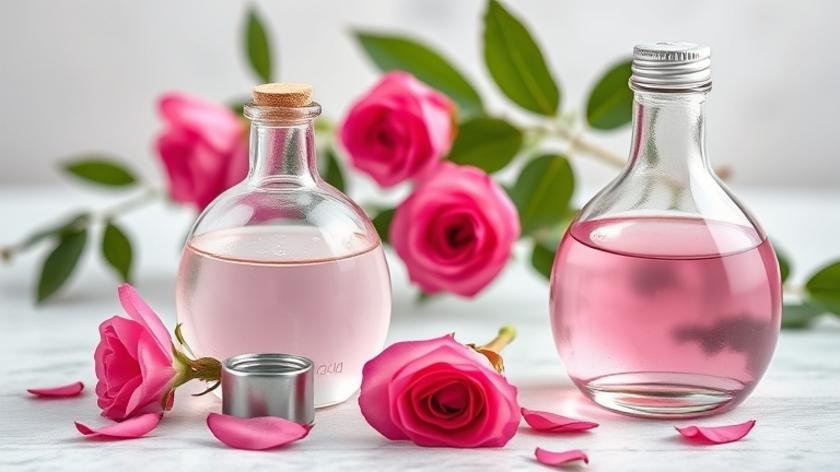
Natural remedies using rose water have been cherished across cultures for centuries, celebrated not only for their fragrant allure but also for their gentle efficacy on the skin. Modern dermatologists acknowledge that the subtle acidity, antioxidant capacity, and hydrating properties of distilled rose petals create a versatile tool for achieving radiant, healthy‑looking complexion without the harshness of synthetic chemicals. By integrating these time‑tested practices into daily routines, individuals can address concerns ranging from dryness and inflammation to uneven tone, paving the way for a natural glow that reflects both inner wellness and outer care.
Thank you for reading this post, don't forget to subscribe!As the demand for clean beauty intensifies, many turn to natural remedies using rose water as a cornerstone of their skin‑care regimen. The simplicity of extracting rose‑infused water at home, coupled with its compatibility with a variety of skin types, makes it an accessible option for those seeking evidence‑based, plant‑forward solutions. Below, we explore the science, practical applications, and comparative advantages that position rose water as a pivotal element in a holistic skin‑care strategy.
## Table of Contents
– Benefits of Rose Water for Skin
– The Science Behind Rose Water
– DIY Recipes for Glowing Skin
– Application Tips & Storage
– Comparison Table: Rose Water vs. Common Alternatives
– FAQ
– Conclusion and Final Takeaways
## Benefits of Rose Water for Skin
Rose water’s multifaceted benefits stem from its unique composition of flavonoids, vitamins (A, C, E), and essential fatty acids. These components work synergistically to:
1. **Balance pH** – The mildly acidic nature helps restore the skin’s natural pH, which can be disrupted by harsh cleansers.
2. **Calm Inflammation** – Anti‑inflammatory compounds reduce redness, making it ideal for sensitive or acne‑prone skin.
3. **Provide Antioxidant Protection** – Free‑radical scavengers help prevent premature aging and support collagen synthesis.
4. **Hydrate Without Occlusion** – Its water‑based delivery supplies moisture without clogging pores, a key advantage over heavier moisturizers.
Clinically, studies have shown that rose‑water extracts can diminish the appearance of fine lines after consistent use for 8‑12 weeks. Moreover, its soothing scent promotes relaxation, indirectly supporting skin health by reducing stress‑related cortisol spikes.
## The Science Behind Rose Water
When rose petals are distilled, the resulting hydrosol captures volatile oils and water‑soluble phytochemicals. Key mechanisms include:
– **Barrier Reinforcement** – Ceramide‑like molecules in the extract reinforce the stratum corneum, limiting transepidermal water loss.
– **Enzyme Modulation** – Inhibition of hyaluronidase preserves hyaluronic acid within the dermis, maintaining plumpness.
– **Microbial Control** – Mild antiseptic properties curb pathogenic bacteria without disrupting the beneficial microbiome.
These actions collectively foster a resilient, luminous complexion, aligning with the principles of rosewater skincare that prioritize skin‑friendly actives over aggressive formulations.
## DIY Recipes for Glowing Skin
Creating personalized treatments empowers users to tailor concentrations and ingredients to their unique needs. Below are three evidence‑backed formulas, each incorporating natural remedies using rose water as the base.
### 1. Rose‑Water Toner with Witch Hazel
– 2 cups distilled rose water
– ½ cup witch hazel (alcohol‑free)
– 5 drops lavender essential oil
Mix in a sterilized spray bottle, shake before each use, and apply after cleansing. Witch hazel tightens pores while lavender adds soothing aromatherapy.
### 2. Hydrating Mist with Aloe Vera Gel
– 1 cup rose water
– ¼ cup pure aloe vera gel
– 1 tsp glycerin
Blend until smooth; store in the refrigerator. The mist can be spritzed throughout the day to replenish moisture and calm irritation.
### 3. Brightening Night Serum
– 2 tbsp rose water
– 1 tbsp vitamin C powder (L‑ascorbic acid)
– 1 tbsp jojoba oil
Dissolve the vitamin C in rose water, then whisk in jojoba oil. Apply a few drops before bedtime; vitamin C combats oxidative stress while jojoba mirrors the skin’s natural sebum.
Each formula exemplifies how natural remedies using rose water can be seamlessly integrated with complementary botanicals to address specific skin concerns without introducing synthetic irritants.

## Application Tips & Storage
To maximize efficacy:
– **Patch Test First** – Apply a small amount to the inner wrist; wait 24 hours for any adverse reaction.
– **Use Clean Tools** – Transfer rose water into amber glass bottles to protect sensitive phytochemicals from light degradation.
– **Refrigerate** – Cool storage extends shelf life to ~2 weeks, preserving antioxidant potency.
– **Layer Correctly** – Apply toner before serums, and finish with a light moisturizer to lock in hydration.
For ongoing education, readers may find the comprehensive guide on rose water extraction useful, as it details step‑by‑step distillation techniques and safety considerations.
## Comparison Table: Rose Water vs. Common Alternatives
| Attribute | Rose Water | Witch Hazel (Alcohol‑Based) | Commercial Fragrance‑Free Toner |
|---|---|---|---|
| pH Balance | ~5.5 (skin‑friendly) | ~3.0 (acidic, may irritate) | ~6.0–7.0 (neutral) |
| Antioxidant Content | High (flavonoids, vitamin C) | Low | Variable (often synthetic) |
| Anti‑Inflammatory | Strong (rose‑derived terpenes) | Moderate | Minimal |
| Potential for Dryness | Low | High (due to alcohol) | Low‑Medium |
| Cost (homemade per month) | $$ (petals + distillation) | $ (store‑bought) | $$ (mid‑range brand) |
The table underscores why many skin‑care professionals recommend natural remedies using rose water as a foundational element: it balances efficacy, tolerance, and sustainability better than many over‑processed alternatives.
## FAQ
**Q1: Can I use rose water on oily skin?**
A: Yes, its lightweight nature helps balance sebum without clogging pores.
**Q2: How long does homemade rose water last?**
A: When refrigerated in a sealed container, about 2 weeks.
**Q3: Is rose water safe during pregnancy?**
A: Generally safe; avoid essential‑oil blends unless approved by a physician.
**Q4: Does rose water fade hyperpigmentation?**
A: It can lighten mild spots over time, especially when combined with vitamin C.
**Q5: Can I substitute distilled water for rose water?**
A: Substituting removes the unique phytochemicals, reducing the benefits.
**Q6: Is alcohol‑free witch hazel compatible with rose water?**
A: Yes, they complement each other in toning formulas.
## Conclusion and Final Takeaways
Integrating natural remedies using rose water into a daily skin‑care routine offers a scientifically supported pathway to enhanced hydration, reduced inflammation, and a naturally radiant complexion. By understanding the underlying mechanisms, selecting complementary botanicals, and adhering to proper storage practices, anyone can harness the timeless benefits of rose water while avoiding the pitfalls of synthetic alternatives. For further reading, explore the step‑by‑step guide to creating rose‑infused mist, and consider consulting reputable dermatology sources to personalize your approach. Elevate your skin‑care regimen today with mindful, plant‑forward practices that honor both tradition and modern evidence.