Fashion Trends for a Capsule Wardrobe Plan
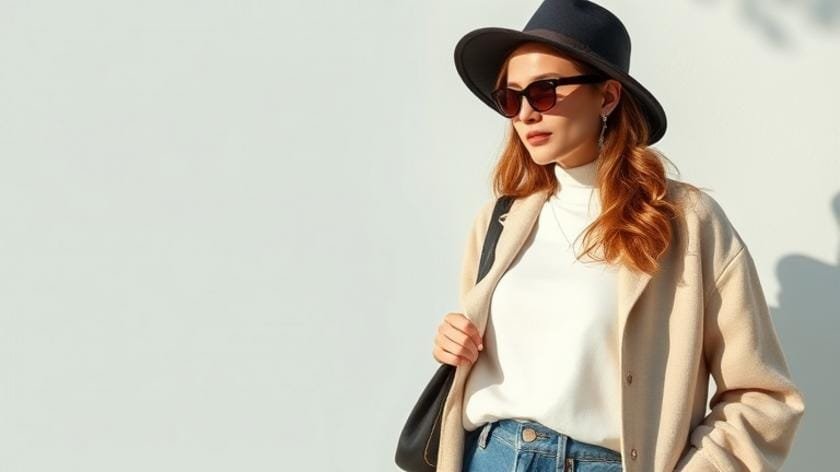
When the modern consumer seeks a wardrobe that feels both timeless and adaptable, the conversation inevitably turns to fashion trends for capsule wardrobe planning. In an era where fast fashion fuels clutter, the strategic curation of interchangeable pieces offers a sustainable antidote, allowing individuals to stay current without sacrificing simplicity. By aligning seasonal influences with a core collection of essentials, a well‑planned capsule reduces decision fatigue, saves resources, and projects confidence through thoughtful consistency.
Thank you for reading this post, don't forget to subscribe!Integrating the newest runway silhouettes into a streamlined set of garments requires more than a passing glance at trend reports; it demands a methodical approach that respects personal style, climate, and lifestyle. This guide walks you through the process of interpreting the latest movements, translating them into versatile building blocks, and maintaining a harmonious balance between innovation and enduring appeal.
## Table of Contents
– Trend Analysis and Seasonal Outlook
– Building Foundations: Core Pieces
– Color Palette: Neutral Bases and Accent Hues
– Fabric Selection for Longevity
– Accessory Integration and Layering Strategies
– Comparison Table: Classic vs. Trend‑Driven Capsules
– FAQs
– Conclusion and Final Takeaways
## Trend Analysis and Seasonal Outlook {#trend-analysis}
Understanding the macro‑level forces shaping style is the first step toward intelligent capsule creation. Forecasting agencies such as WGSN and Pantone highlight three recurring themes for the upcoming cycles:
1. **Organic Minimalism** – A return to refined silhouettes crafted from natural fibers, emphasizing clean lines over embellishment.
2. **Tech‑Infused Utility** – Functional details (hidden pockets, convertible hems) borrowed from performance wear, rendered in sleek city‑ready aesthetics.
3. **Retro Reimagining** – Decades‑past motifs (70s wide‑leg trousers, 90s slip dresses) refreshed with contemporary cuts and sustainable fabrics.
By mapping these trends onto personal needs, you can decide which narrative will dominate your capsule. For instance, a commuter living in a temperate climate might prioritize Tech‑Infused Utility, while a remote‑working creative could gravitate toward Organic Minimalism.
explore more ways to blend trends with everyday practicality and see how each element can coexist without overwhelming the core aesthetic.
## Building Foundations: Core Pieces {#building-foundations}
A capsule’s backbone consists of a limited set of garments that can be mixed and matched in at least 30 outfits. The following categories serve as the working skeleton:
| Category | Recommended Quantity | Key Characteristics |
|———-|———————-|———————-|
| Tops | 4–5 | Neutral tones, varied necklines, lightweight knits |
| Bottoms | 3–4 | Straight‑leg jeans, tailored trousers, midi skirt |
| Outerwear| 2 | Structured blazer, versatile trench |
| Dresses | 1–2 | Slip dress, shirt dress with layering potential |
| Shoes | 3 | White sneaker, leather ankle boot, classic loafers |
When selecting each piece, ask: *Does this item complement at least three other garments?* If the answer is yes, the item earns a place in the capsule. This disciplined filtering ensures that every addition serves a functional purpose, preventing the accumulation of redundant styles.
## Color Palette: Neutral Bases and Accent Hues {#color-palette}
An effective capsule hinges on a cohesive color strategy. Begin with a foundation of neutrals—think ivory, charcoal, and muted camel—because they effortlessly anchor bold trend colors. From there, introduce two to three accent hues derived from the season’s palette:
– **Spring/Summer:** Soft corals, sage green, and sky blue.
– **Fall/Winter:** Deep burgundy, forest olive, and warm ochre.
By limiting accent colors, you create visual harmony while still injecting fresh energy. For example, a charcoal blazer paired with a coral silk blouse instantly references the current trend without compromising the capsule’s timeless core.
learn how to cyclically refresh accent hues each season while preserving the integrity of your base colors.
## Fabric Selection for Longevity {#fabric-selection}
Materials dictate both durability and the ability to echo current trends. Prioritize fibers that align with sustainability goals and trend relevancy:
| Fabric | Trend Alignment | Sustainability Score |
|——–|—————-|———————-|
| Organic Cotton | Minimalist silhouettes | High (GOTS certified) |
| Tencel (Lyocell) | Fluid drape for retro dresses | High (closed‑loop process) |
| Recycled Polyester | Tech‑infused utility jackets | Medium (post‑consumer content) |
| Wool (Merino) | Structured outerwear | High (renewable, biodegradable) |
Investing in these textiles guarantees that the capsule feels premium and stands up to repeated wear. Moreover, the tactile quality of natural fibers often mirrors runway textures, allowing your capsule to stay fashion‑forward without relying on fleeting synthetic trends.
## Accessory Integration and Layering Strategies {#accessory-integration}
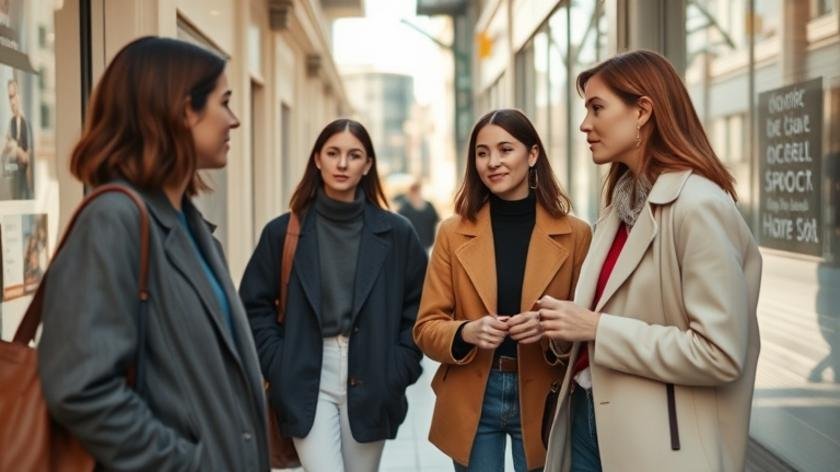
Accessories act as the bridge between trend relevance and capsule stability. A well‑chosen bag, belt, or piece of jewelry can instantly shift an outfit’s mood. Follow these guidelines:
– **Statement Belt:** Opt for a leather belt in a bold hue that mirrors the seasonal accent color.
– **Structured Bag:** A medium‑sized tote in a neutral base color supports both professional and casual looks.
– **Jewelry:** Minimalist gold or silver pieces echo the Organic Minimalism trend while remaining timeless.
Layering also amplifies versatility. Pair a lightweight Tencel shirt under a wool blazer for cooler days, or layer a knit cardigan over a slip dress for an effortless 90s revival. Each layer should be reversible in purpose, contributing to the capsule’s mix‑and‑match engine.
## Comparison Table: Classic vs. Trend‑Driven Capsules {#comparison-table}
Below is a side‑by‑side evaluation that helps you decide how much of the latest fashion trends for capsule wardrobe planning to integrate without compromising longevity.
| Aspect | Classic Capsule | Trend‑Driven Capsule |
|---|---|---|
| Core Palette | Neutral tones only | Neutrals + 2 seasonal accent colors |
| Fabric Focus | All‑natural, timeless fabrics | Blend of natural and recycled performance fabrics |
| Piece Turnover | 4‑year lifespan | 2‑3 year lifespan, refreshed each season |
| Trend Signals | Minimal; rely on timeless silhouettes | Incorporate runway‑inspired details (e.g., utility pockets) |
| Budget Allocation | Higher upfront, lower annual spend | Moderate upfront, incremental seasonal investment |
The table demonstrates that a measured infusion of current aesthetics—such as a utility jacket in recycled polyester—can coexist with a stable, neutral foundation, delivering both relevance and durability.
## FAQs {#faqs}
**Q: How many items should a capsule contain?**
A: Typically 30–40 pieces, including clothing, shoes, and accessories.
**Q: Can I update my capsule each season?**
A: Yes, swap 2‑3 accent pieces while keeping core items.
**Q: Are fast‑fashion pieces allowed?**
A: Prefer sustainable fabrics; fast fashion reduces longevity.
**Q: How often should I reassess my capsule?**
A: Every 6‑12 months, aligning with lifestyle changes and trends.
**Q: Do I need a specific color palette?**
A: Choose neutrals for the base and 2‑3 seasonal accents.
## Conclusion and Final Takeaways {#conclusion}
Designing a wardrobe that marries the immediacy of runway inspiration with the practicality of everyday wear is achievable through disciplined planning. By dissecting fashion trends for capsule wardrobe planning into three strategic pillars—trend analysis, foundational piece selection, and thoughtful accessorizing—you create a resilient collection that evolves gracefully. Embrace organic minimalism for timeless elegance, experiment with utility details for functional flair, and sprinkle retro accents to keep the aesthetic fresh.
Remember, the capsule thrives on intentionality: each garment must earn its spot by complementing multiple looks, the color scheme should balance neutrality with seasonal vibrancy, and the fabrics chosen ought to honor both durability and ecological responsibility. When these principles converge, your wardrobe becomes a living showcase of strategic style—effortlessly chic, sustainably curated, and perpetually in vogue.
For ongoing inspiration and additional resources, explore the latest insights via an external search: Fashion Trends for a Capsule Wardrobe Plan.
Feel encouraged to revisit this guide as trends shift; continual refinement ensures your capsule remains both current and timeless.