
Better Sleep Nightly Methods for a Restful Night's Rest
The modern world’s relentless pace often leaves us grappling with fragmented, unrestful nights, despite our best intentions to unwind. Research consistently shows that the quality of our sleep directly impacts cognitive performance, emotional balance, and long‑term health. By examining the underlying mechanisms that govern sleep and applying evidence‑based practices, we can create an environment where restorative rest becomes the norm rather than the exception. Central to this transformation are better sleep nightly methods that align with our natural rhythms and lifestyle demands.
Thank you for reading this post, don't forget to subscribe!Implementing these strategies does not require dramatic overhauls; rather, a series of targeted adjustments can cumulatively enhance how efficiently we drift into and maintain deep, restorative sleep. Throughout this guide, you will discover practical steps, scientific insights, and actionable tools designed to help you better sleep nightly methods and ultimately Improve Sleep Quality without sacrificing daily productivity.
## Table of Contents
– Understanding Sleep Cycles
– Lifestyle Adjustments
– Optimizing the Bedroom Environment
– Mindfulness and Relaxation Techniques
– Nutrition and Supplements
– Technology and Light Management
– Creating a Consistent Routine
– Tracking Progress and Fine‑Tuning
– Method Comparison Table
– FAQ
– Conclusion and Final Takeaways
### Understanding Sleep Cycles
Sleep is not a uniform state; it consists of alternating periods of rapid eye movement (REM) and non‑REM (NREM) stages. Each 90‑minute cycle begins with light N1 sleep, deepens through N2 and N3 (slow‑wave sleep), and culminates in REM, where dreaming predominates and the brain processes emotional memories. Disruptions early in the night can truncate deep N3 sleep, reducing the restorative benefits that support immune function and metabolic health.
Studies suggest that maintaining a consistent bedtime helps stabilize the internal circadian clock, allowing the body to anticipate and efficiently transition through these stages. Aligning daily activities with natural light exposure—morning sunlight and dim evenings—reinforces this stability.
### Lifestyle Adjustments
#### Physical Activity
Engaging in moderate aerobic exercise (e.g., brisk walking, cycling) for 30–45 minutes most days improves sleep latency and increases the proportion of deep N3 sleep. However, vigorous activity within two hours of bedtime can elevate core temperature and catecholamine levels, hindering the onset of sleep.
#### Stress Management
Chronic stress elevates cortisol, a hormone that can interfere with the natural decline of arousal as night approaches. Integrating brief stress‑reduction practices—such as journaling, progressive muscle relaxation, or a 5‑minute breathing exercise—within the pre‑sleep window can lower cortisol and signal the brain that it is safe to disengage.
#### Alcohol and Caffeine
While alcohol may initially promote drowsiness, it suppresses REM sleep and leads to fragmented rest later in the night. Caffeine has a half‑life of 5–7 hours; limiting intake to before 2 p.m. reduces its impact on sleep architecture.
### Optimizing the Bedroom Environment
#### Temperature
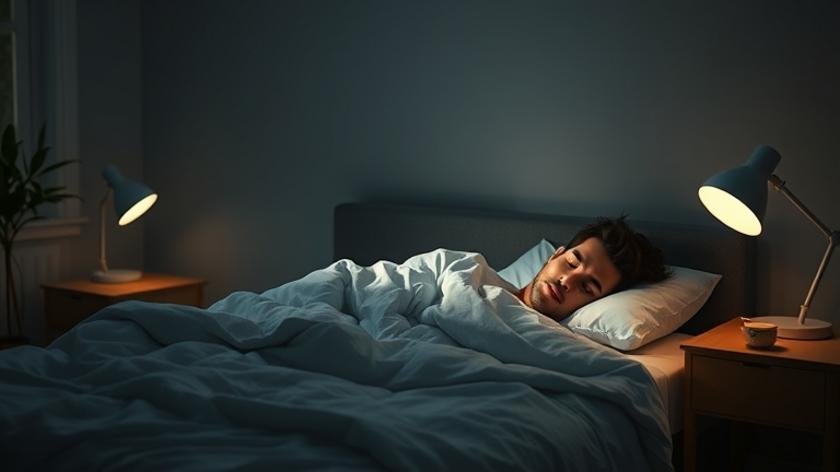
The ideal sleeping temperature ranges between 60–67 °F (15.5–19.5 °C). Cooler environments facilitate the natural drop in core body temperature required for sleep onset, while excessive warmth can cause awakenings during the night.
#### Noise and Light
White noise machines or low‑frequency fans mask disruptive sounds. Blackout curtains, eye masks, and limiting exposure to artificial light—especially blue wavelengths—prevent melatonin suppression. Consider using amber‑tinted glasses in the hour before bed if you must use electronic devices.
#### Bedding
Invest in a supportive mattress and breathable linens that accommodate your preferred sleep position. Proper spinal alignment reduces tossing and turning, directly influencing sleep continuity.
### Mindfulness and Relaxation Techniques
Mindfulness meditation has been shown to increase sleep efficiency by 5–10 % in clinical trials. A simple 10‑minute guided body‑scan before bedtime trains attention away from intrusive thoughts and encourages a parasympathetic response. Additionally, diaphragmatic breathing (4‑7‑8 technique) can rapidly lower heart rate, making it easier to drift into N2 sleep.
### Nutrition and Supplements
#### Balanced Meals
A light, protein‑rich snack containing tryptophan (e.g., Greek yogurt, turkey) 30–60 minutes before bed can boost serotonin and melatonin synthesis. Avoid heavy, spicy meals that may cause gastroesophageal reflux, a common disruptor of sleep.
#### Herbal Aids
Valerian root, chamomile tea, and magnesium supplementation have modest evidence supporting their use for mild insomnia. Dosage and timing should be discussed with a healthcare professional, especially for individuals with renal concerns.
#### Hydration
Staying hydrated throughout the day is essential, but limit fluid intake in the final hour before bedtime to reduce nocturnal awakenings for bathroom trips.
### Technology and Light Management
#### Screen Time
Blue‑light–filtering applications (e.g., f.lux, Night Shift) reduce retinal stimulation by shifting display wavelengths toward the red spectrum after sunset. Enabling “Do Not Disturb” mode an hour before bed minimizes notification‑driven arousal.
#### Smart Devices
Wearable sleep trackers provide data on sleep stages, heart rate variability, and ambient conditions. While not diagnostic, they can highlight patterns and inform adjustments. For deeper insights, sync the device with a reputable health app that respects privacy standards.
### Creating a Consistent Routine
Consistency is the linchpin of successful better sleep nightly methods. A “wind‑down” ritual—comprising dim lighting, reading a physical book, and gentle stretching—signals to the hypothalamus that bedtime is imminent. Aim to go to bed and rise at the same time, even on weekends, to reinforce the circadian rhythm.
Consider the following 30‑minute pre‑sleep schedule:
1. **55 min** – Turn off bright screens; activate warm lighting.
2. **45 min** – Engage in a soothing activity (e.g., reading, knitting).
3. **30 min** – Perform a brief mindfulness meditation or breathing exercise.
4. **15 min** – Prepare the bedroom (adjust temperature, set white noise).
5. **0 min** – Lights out, maintain a relaxed posture, and focus on slow breathing.
### Tracking Progress and Fine‑Tuning
To determine which strategies are most effective for you, maintain a sleep diary for at least two weeks. Record bedtime, wake time, perceived sleep quality, and any notable lifestyle variables (exercise, caffeine, stress events). Over time, patterns emerge that guide further personalization.
For a digital approach, integrate the diary with a simple spreadsheet template that calculates average sleep latency, total sleep time, and efficiency. Use this data to iteratively adjust one variable at a time—such as room temperature or evening screen time—ensuring you can attribute improvements to specific changes.
### Method Comparison Table
The following table contrasts the most impactful techniques, highlighting ease of implementation, evidence strength, and expected impact on sleep architecture.
| Method | Implementation Ease | Scientific Evidence | Primary Benefit |
|---|---|---|---|
| Consistent Bedtime/Wake Time | High | Strong (RCTs) | Stabilizes circadian rhythm |
| Cool Bedroom Temperature | Medium | Moderate | Enhances N3 deep sleep |
| Mindfulness Meditation | Medium | Strong | Reduces sleep latency |
| Limited Evening Caffeine | High | Strong | Improves sleep continuity |
| Blue‑Light Filters & Screen Curfew | Medium | Moderate | Preserves melatonin production |
| Light Evening Snack (Tryptophan) | High | Moderate | Supports serotonin → melatonin conversion |
For additional perspectives, you may explore broader research via this Google search.

### FAQ
**What is the optimal amount of sleep for adults?**
7–9 hours per night.
**Can a nap affect nighttime sleep?**
Short naps (20‑30 min) improve alertness; longer naps may disrupt circadian rhythm.
**Is sleeping with a fan noisy enough to disturb sleep?**
Low‑level white noise can mask disruptive sounds and improve sleep continuity.
**Do weighted blankets improve sleep?**
They may enhance perceived comfort and reduce anxiety for some individuals.
**How long does it take to see results from new sleep habits?**
Typically 2‑3 weeks of consistent practice.
**Should I track my sleep with a smartwatch?**
Helpful for pattern awareness, but prioritize consistent routines over data.
## Conclusion and Final Takeaways
Achieving restorative rest hinges on aligning daily behaviors with the body’s innate circadian mechanisms. By systematically applying better sleep nightly methods—ranging from environmental tweaks and mindful wind‑downs to strategic nutrition—you create a robust foundation for nightly recovery. The cumulative impact of these adjustments not only accelerates sleep onset but also deepens the restorative phases essential for physical repair, memory consolidation, and emotional regulation.
Remember that sustainability trumps perfection. Start with the most feasible changes, monitor progress through a reliable diary or tracker, and refine your approach based on measurable outcomes. Over time, the habit loop solidifies, and high‑quality sleep becomes a reliable pillar of your overall well‑being.
If you are ready to refine your nightly routine, begin by selecting one or two items from the comparison table and commit to them for the next fourteen days. Consistency, patience, and data‑driven tweaks will guide you toward lasting improvement and a refreshed morning outlook.