Abandoned Places: Uncovering the Supernatural Stories
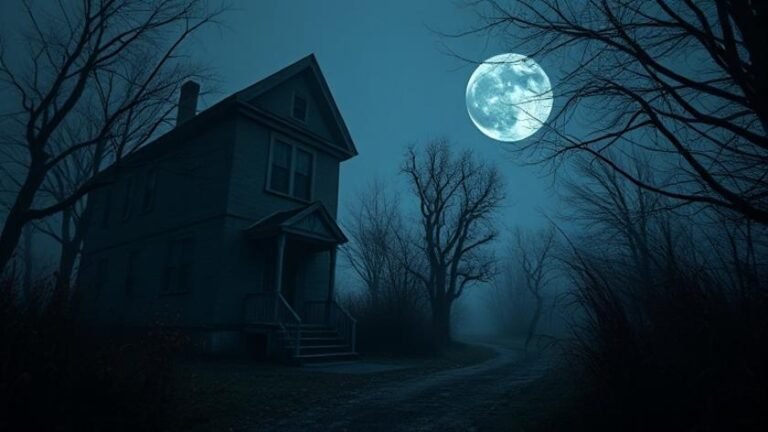
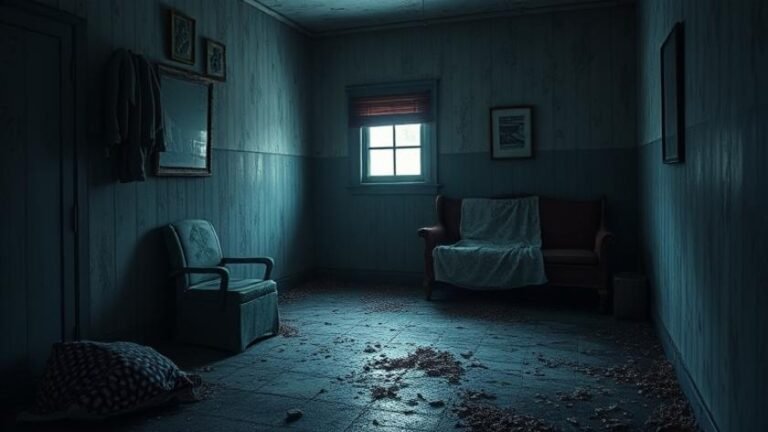
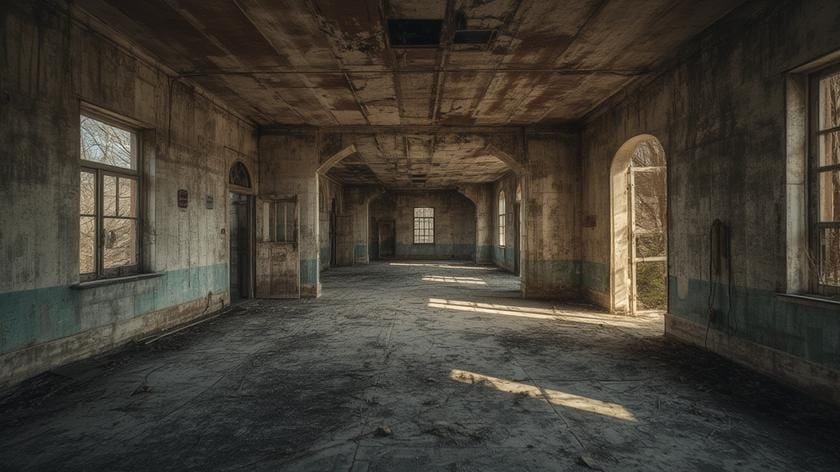
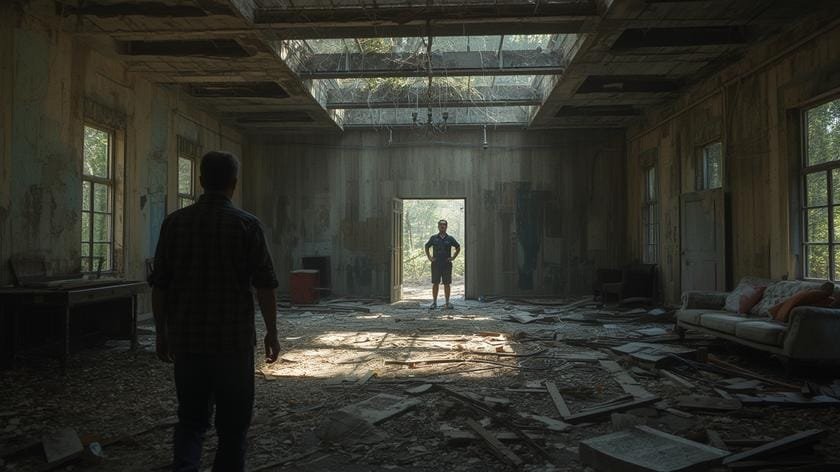
Across continents and centuries, crumbling structures have long fascinated explorers, historians, and storytellers alike. When the walls of an old factory or a deserted asylum begin to echo with whispers, the allure intensifies, drawing curiosity seekers into a liminal space where past decay meets imagined presence. It is within this atmospheric tension that abandoned place supernatural stories emerge, weaving together fact, folklore, and the human penchant for mystery.
Thank you for reading this post, don't forget to subscribe!These narratives do more than entertain; they shape perceptions of heritage, influence tourism, and spark debates about preservation versus exploitation. By examining the origins, cultural impact, and investigative methods behind such accounts, readers can appreciate why certain sites become focal points for collective imagination, while others fade into obscurity.
Table of Contents
- History of Abandonment
- Notable Sites Around the World
- Psychological Appeal of Paranormal Narratives
- Investigative Techniques for the Curious
- Preservation vs Exploration Debate
- Comparison of Site Characteristics
- Frequently Asked Questions
- Conclusion and Final Takeaways
History of Abandonment
The phenomenon of leaving structures to decay predates modern industrial society. Medieval monasteries were deserted after reforms, mining towns vanished when ore was exhausted, and wartime bunkers were rendered obsolete as strategies shifted. Each abandonment left a physical imprint, a silent stage for later storytelling. Over time, oral histories transformed these spaces from mere ruins into repositories of cautionary tales, often infused with supernatural overtones that reflected contemporary fears and moral codes.
In Europe, the rise of Romantic literature amplified the eerie charm of ruins. Poets like Thomas Gray celebrated “the melancholy hermitage” as a symbol of transience, while Gothic novels set pivotal scenes within crumbling estates, cementing the link between decay and the uncanny. This literary foundation paved the way for modern explorers to seek out verifiable evidence of reputed hauntings, intertwining scholarly research with the allure of abandoned place supernatural stories.
Notable Sites Around the World
Across continents, certain locations have become pilgrimage points for those chasing the spectral. In the United States, the former Michigan Central Station, long dormant, is frequently cited in accounts of flickering lights and distant footsteps. In Japan, the Aokigahara forest bordering the abandoned Mount Fuji Cable Car station is steeped in whispers of lingering souls. Meanwhile, Europe offers the eerie atmosphere of Pripyat, Ukraine, where the ghostly echo of a school bell still resonates among the decaying apartments.
These sites often appear on curated lists of Haunted Locations, attracting thrill‑seekers, paranormal investigators, and documentary crews. Yet the popularity of each location varies according to accessibility, media exposure, and cultural relevance. Some, like the Tower of London, have centuries‑old ghost tales that are well‑documented, while others remain enigmatic due to limited documentation, fueling fresh speculation.
Psychological Appeal of Paranormal Narratives
Human brains are wired to detect patterns, especially in ambiguous environments. When confronted with darkness, stray sounds, or unpredictable architecture, the mind often fills gaps with familiar archetypes—specters, lingering voices, or unseen presences. This cognitive bias, known as pareidolia, explains why visitors to derelict factories report hearing metallic clanks despite the absence of machinery.
Moreover, storytelling serves a social function: it reinforces community identity and transmits cautionary wisdom. In many cultures, ghost stories attached to abandoned places function as warnings against trespassing, vandalism, or unsafe behavior. By framing dilapidated sites within a supernatural context, societies embed collective memory into the physical landscape, ensuring that the lessons of neglect and loss endure beyond the stone walls.
Investigative Techniques for the Curious
Modern investigators blend traditional folklore research with scientific instrumentation. Audio enthusiasts deploy high‑sensitivity microphones and employ spectrogram analysis to isolate unexplained frequencies. Thermal imaging cameras reveal temperature anomalies that may correspond with reported apparitions. Photographers use long‑exposure techniques to capture subtle light movements, while researchers maintain meticulous logs of environmental conditions.
However, rigorous methodology demands control groups and repeatable conditions. Without baseline data—ambient sound levels, temperature baselines, electromagnetic field readings—interpretations risk conflating ordinary phenomena with supernatural claims. For those interested in contributing responsibly, consulting peer‑reviewed case studies and employing standard safety protocols is essential. learn more about investigation techniques can provide a structured entry point for novices.
Preservation vs Exploration Debate
Stakeholders clash over the fate of derelict landmarks. Preservationists argue that many buildings possess architectural, historical, or cultural value that warrants restoration or at least stable conservation. Conversely, explorers and paranormal enthusiasts contend that unrestricted access—often achieved through “urban exploration”—is vital for authentic experience and documentation. Legal ramifications further complicate matters; trespassing can lead to prosecution, yet restricting access may drive curious parties to clandestine entry, increasing risk of injury or vandalism.
Balancing these interests involves multi‑disciplinary dialogue. Adaptive reuse projects—transforming old factories into art spaces while retaining original features—offer a compromise, preserving the narrative integrity without sacrificing safety. In cases where redevelopment is impossible, controlled tours led by trained guides can satisfy public curiosity while protecting structural integrity. understand preservation challenges and contribute to responsible stewardship.
Comparison of Site Characteristics
| Feature | Urban Factory (USA) | Mountain Railway Station (Japan) | Abandoned Village (Eastern Europe) |
|---|---|---|---|
| Year Abandoned | 1974 | 1998 | 1981 |
| Reported Phenomena | Cold spots, faint footsteps | Apparition of a lone traveler | Disembodied chanting |
| Accessibility | Public road, limited signage | Restricted, requires permit | Remote, hiking trail only |
| Preservation Status | Partial stabilization | Under study for conversion | Ruins, no official protection |
| Documentation | Extensive photographic archive | Limited academic papers | Oral histories, few recordings |
Frequently Asked Questions
What defines an abandoned place? A structure permanently vacated with no active maintenance.
Are all stories about such places true? Most blend fact with folklore; verification varies.
Can I legally explore abandoned sites? Only with owner permission or designated public access.
Do paranormal investigators use scientific tools? Yes, including audio recorders, EMF meters, and thermal cameras.
How can I help preserve these locations? Support local heritage groups and respect access guidelines.
Conclusion and Final Takeaways
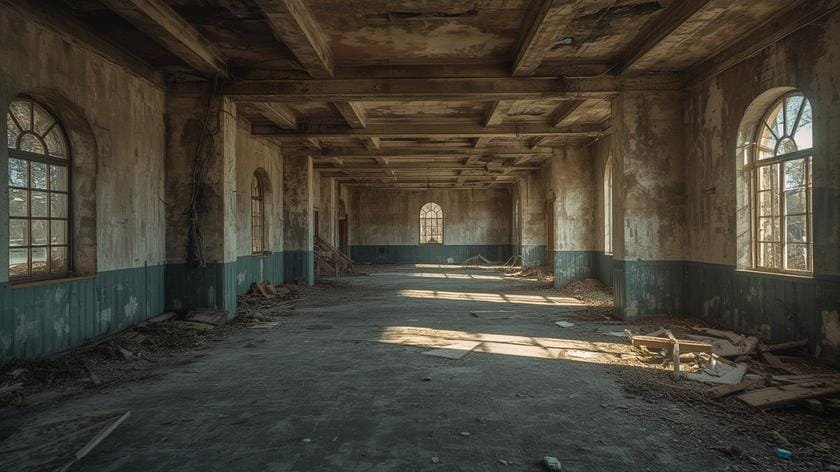
Abandoned structures act as physical canvases upon which societies project hopes, fears, and lingering memories. The rise of abandoned place supernatural stories reflects a timeless fascination with the unknown, while also underscoring the importance of careful stewardship. By balancing curiosity with responsibility, enthusiasts can honor the narratives that give these spaces their mystique without compromising safety or heritage.
For readers eager to delve deeper, a broader search can surface additional case studies and field reports: search for more resources. Engaging with these tales thoughtfully ensures that the echo of the past continues to resonate, informing both present curiosity and future preservation.