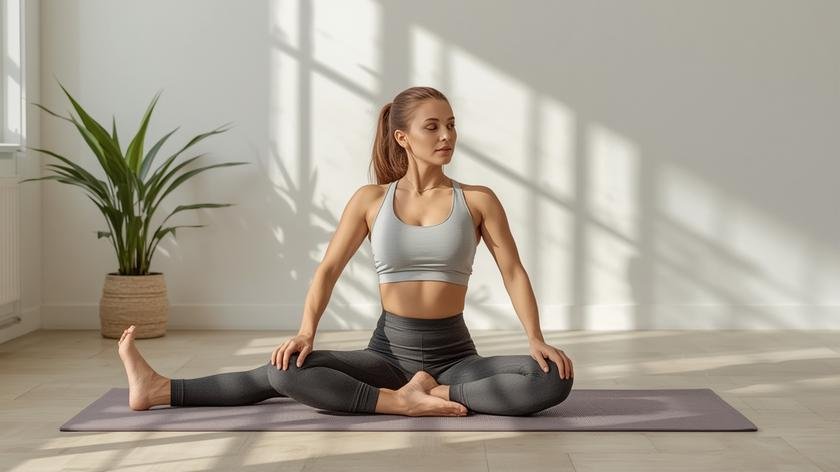
Active Relaxation Workout Routines for a Calm and Fit You
The modern fitness landscape increasingly values movement that does more than just burn calories. active relaxation workout routines blend low‑intensity cardiovascular activity with mindful breathing, creating a physiological environment where stress hormones recede while circulation and joint mobility improve. By engaging the nervous system in a balanced way, these sessions help practitioners maintain a steady heart rate, enhance muscular elasticity, and cultivate a mental state that feels both refreshed and centered.
Thank you for reading this post, don't forget to subscribe!Incorporating such practices into a weekly schedule can act as a bridge between high‑intensity training days and restorative rest periods. Whether you are an athlete seeking faster recovery, a desk‑bound professional aiming to reduce tension, or anyone wanting a calmer yet fit lifestyle, the structured approach of active relaxation workout routines offers measurable benefits without the fatigue often associated with traditional cardio. The following guide explores the science, practical applications, and long‑term outcomes of this balanced movement philosophy.
## Table of Contents
– Benefits of Active Relaxation Workout Routines
– Core Principles Behind the Approach
– Sample Routine Structures
– Integrating Mindful Movement into Daily Life
– Tracking Progress and Adjusting Intensity
– Active Relaxation vs. Traditional Workouts
– FAQ
– Conclusion and Final Takeaways
## Benefits of Active Relaxation Workout Routines
Research from sports science and psychophysiology converges on three primary outcomes:
1. **Reduced cortisol levels** – low‑to‑moderate movement paired with diaphragmatic breathing attenuates the hypothalamic‑pituitary‑adrenal axis response.
2. **Improved heart‑rate variability (HRV)** – a reliable marker of autonomic balance, elevated HRV signifies better stress resilience.
3. **Enhanced proprioception and joint health** – gentle dynamic stretches stimulate synovial fluid production, supporting cartilage longevity.
These benefits translate into faster muscular recovery after heavy lifting sessions, lower perceived stress during high‑pressure workdays, and a more consistent motivation to stay active over the long term.
## Core Principles Behind the Approach
The methodology rests on three pillars:
* **Movement cadence** – exercises are performed at a deliberately slow to moderate tempo (40–60 beats per minute), allowing the nervous system to stay within the parasympathetic zone.
* **Breathing synchronization** – each motion aligns with an inhale–exhale cycle, typically a 4‑second inhale followed by a 6‑second exhale. This rhythm mirrors the pattern used in many proven relaxation exercises.
* **Mindful focus** – participants keep attention on the sensation of muscles lengthening and contracting, rather than on external distractions. This mental anchoring heightens body awareness and reduces mental clutter.
Together, these elements create a feedback loop where the body receives adequate stimulus to stay conditioned, while the mind experiences a calming effect similar to meditation.
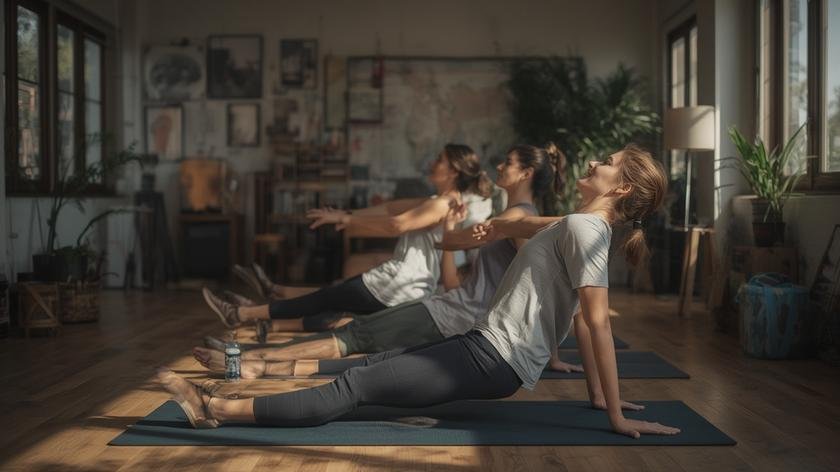
Below is a versatile template that can be modified for beginners, intermediate athletes, or seniors. Each block lasts 5 minutes, and a full session typically comprises three to four blocks.
| Block | Activity | Duration | Key Cue |
|——-|———-|———-|———-|
| 1 | Gentle marching in place with arm swings | 5 min | Keep spine tall, shoulders relaxed |
| 2 | Dynamic lunges combined with overhead reach | 5 min | Exhale while lunging forward |
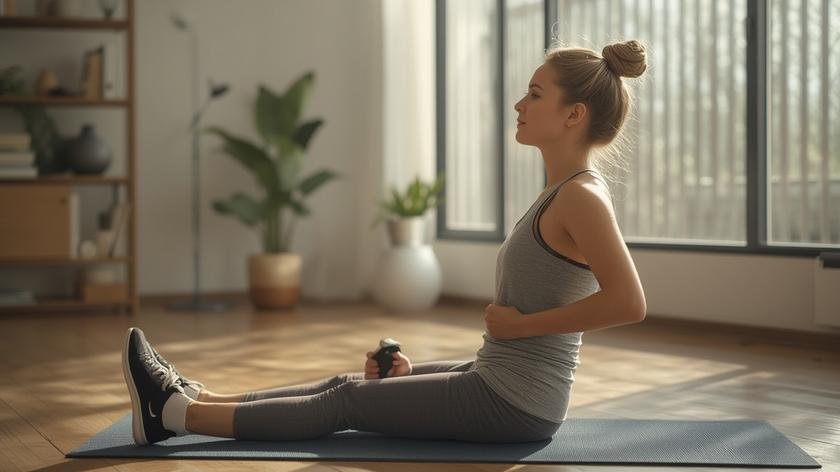
| 3 | Seated torso twists with deep diaphragmatic breaths | 5 min | Inhale to lengthen, exhale to rotate |
| 4 (optional) | Light rope skipping at a steady rhythm | 5 min | Maintain a consistent breathing pattern |
By maintaining a steady heart rate (roughly 50‑65 % of maximum), the body stays within the “active recovery” zone, maximizing the physiological benefits described earlier.
## Integrating Mindful Movement into Daily Life
Consistency is easier when the practice aligns with everyday routines. Consider the following insertion points:
* **Morning transition** – After brushing teeth, perform a 3‑minute standing stretch while focusing on breath. This primes the nervous system for the day ahead.
* **Work‑break micro‑session** – Every two hours, stand, march in place, and synchronize each step with a breath cycle. A brief 2‑minute effort can reset HRV.
* **Evening wind‑down** – Conclude the day with a seated forward fold, breathing slowly for 4‑6 minutes to signal the body that rest is approaching.
Each of these moments reinforces the same principles found in the comprehensive program guide, ensuring the habit becomes second nature.
## Tracking Progress and Adjusting Intensity
Objective metrics help maintain motivation:
* **Heart‑rate variability apps** – record nightly HRV trends; a steady upward trajectory indicates improved autonomic balance.
* **Perceived exertion scales** – rate each session on a 1‑10 scale; aim for a consistent 3‑4 rating, adjusting tempo only if the score drifts higher.
* **Mobility assessments** – quarterly tests such as the sit‑and‑reach or shoulder flexion measurement reveal functional gains.
When progress plateaus, small tweaks—like extending each breathing phase by two seconds or adding a light resistance band—can revive adaptation without compromising the calming effect.
## Active Relaxation vs. Traditional Workouts
| Aspect | Active Relaxation active relaxation workout routines | Traditional High‑Intensity |
|——–|————————————————————|—————————-|
| Primary Goal | Balance nervous system, promote recovery | Maximize calorie burn and strength |
| Typical Heart Rate | 50‑65 % of max | 70‑85 % of max |
| Session Length | 15‑30 min | 45‑90 min |
| Stress Impact | Low cortisol, higher HRV | Transient cortisol spike |
| Suitability | All ages, especially beginners or rehab patients | Athletes, advanced fitness enthusiasts |
| Equipment Needs | Minimal (mat, optional band) | Varied (weights, machines) |
The table illustrates that while both modalities improve fitness, the former uniquely merges physical conditioning with stress mitigation—making it an ideal complement to any robust training plan.
For further reading, explore external perspectives via this Google search.
**What duration is optimal for beginners?**
5‑10 minutes per session, 3‑4 times a week.
**Can I combine these routines with cardio intervals?**
Yes, place them on recovery days or after high‑intensity work.
**Do I need special equipment?**
A mat and optional resistance band are sufficient.
**How soon will I notice stress reduction?**
Most people feel calmer after the first 2‑3 sessions.
**Is breathing the most important element?**
Breathing synchronizes movement and drives the parasympathetic response.
## Conclusion and Final Takeaways
active relaxation workout routines present a scientifically grounded pathway to achieve both physical fitness and mental serenity. By honoring a measured tempo, purposeful breathing, and mindful focus, practitioners can lower stress hormones, boost heart‑rate variability, and preserve joint health—all within a time‑efficient framework.
Integrating brief, structured sessions into daily life, tracking key physiological markers, and gradually adjusting intensity ensure sustainable progress. Whether you are new to movement or a seasoned athlete, embracing this balanced approach will enrich your overall well‑being and support long‑term performance goals.
Continue exploring the nuances of mindful movement, and let each session serve as a stepping stone toward a calmer, fitter you.