Aging Love Stories That Will Warm Your Heart
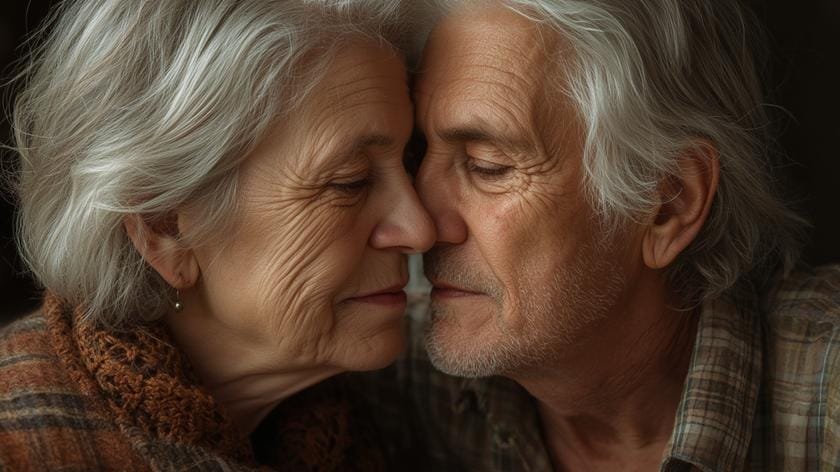
The idea that romance fades with age is a comforting myth many cling to, yet the reality is far richer. Across cultures and generations, people continue to discover deep, sustaining connections well into their golden years, proving that love’s capacity to evolve knows no calendar. In the tapestry of human experience, aging love stories illuminate how companionship can deepen, adapt, and even surprise us when we least expect it.
Thank you for reading this post, don't forget to subscribe!When we explore the lives of those who have found renewed affection after decades of marriage, widowhood, or singlehood, we also encounter the transformative power of Second Love. These narratives reveal that the heart remains receptive, often responding with a wisdom that only time can cultivate. Below, we examine a variety of such relationships, drawing lessons that can inspire anyone eager to keep love vibrant at any stage.
## Table of Contents
– Why Love Grows Older
– Classic Literature’s Aging Love Stories
– Real‑Life Examples of Second Love
– Challenges and Rewards
– Nurturing Late‑Life Romance
– Comparison Table
– FAQ
– Conclusion and Final Takeaways
## Why Love Grows Older
Age brings a clarity that often eludes younger hearts. Decades of lived experience trim away superficial expectations, leaving a core desire for genuine companionship. Psychological research shows that older adults value emotional intimacy over novelty, making them more attuned to the subtle cues of affection. This shift creates fertile ground for love to blossom again, often with a steadier, more resilient foundation.
Physiologically, the release of oxytocin—sometimes called the “bonding hormone”—remains active well into later life, fostering trust and emotional closeness. Moreover, retirees frequently enjoy a slower pace and more discretionary time, which naturally invites deeper conversation and shared activities. Consequently, many seniors report feeling more emotionally fulfilled when they invest in a partnership after years of self‑reliance.
## Classic Literature’s Aging Love Stories
Literature has long celebrated the tender moments that arise when characters confront the twilight of their lives. In *The Old Man and the Sea*, Hemingway subtly hints at the protagonist’s yearning for connection beyond the solitary battle with nature, a yearning that mirrors real‑world longing for companionship. Similarly, Gabriel García Márquez’s *Love in the Time of Cholera* chronicles the patient persistence of Florentino, whose love matures over half a century before finally finding its counterpart.
These narratives serve two purposes: they validate the emotional experiences of older adults, and they provide a cultural lens through which society can recognize the dignity of love at any age. By embedding aging love stories within the canon, writers underline that romance is a timeless human right, not a youthful privilege.
## Real‑Life Examples of Second Love
Around the globe, countless seniors have embraced new chapters of affection. In Japan, the practice of *konkatsu*—marriage hunting—has gained traction among retirees seeking companionship after the loss of a spouse. One 71‑year‑old participant described her new relationship as “a gentle rediscovery of self through another’s eyes.” In the United States, dating apps like “OurTime” report that over 40 % of users are over 60, many reporting success after decades of singlehood.
Notable public figures also set powerful precedents. The late actor Christopher Plummer married his fellow actress at 85, demonstrating that partnership can reach a celebratory crescendo even in the final chapters. Their story, widely covered in media, reinforced the relevance of celebrating love later in life and encouraged others to see romance as a continual possibility.
## Challenges and Rewards
While the prospect of new love is alluring, older adults often navigate unique hurdles. Health issues, caregiving responsibilities, and blended family dynamics can introduce complexity. Social stigma sometimes frames later‑life romance as “desperate” rather than authentic, potentially discouraging open expression.
Yet the rewards frequently outweigh the obstacles. Studies link late‑life partnership with lower incidences of depression, improved cardiovascular health, and even extended lifespan. Emotional support from a partner can ease the burdens of chronic illness, while shared activities—from gardening to travel—enhance quality of life. In essence, the mutual investment in each other’s well‑being becomes a cornerstone of holistic health.
## Nurturing Late‑Life Romance
Cultivating a fulfilling senior partnership involves intentional communication, respect for personal histories, and adaptability. Couples benefit from establishing clear expectations around independence, finances, and social circles. Regular check‑ins—whether over tea or during a walk—help align goals and nurture emotional intimacy.
Technology offers additional pathways. Video calls, health‑tracking apps, and online hobby forums enable couples to stay connected despite mobility constraints. Moreover, community centers often host dance classes, art workshops, or storytelling evenings tailored to older adults, creating natural venues for connection.
By integrating these practices, many seniors discover that love’s renaissance is not only possible but profoundly enriching. As highlighted in numerous aging love stories, the secret often lies in the willingness to remain open, curious, and compassionate.
## Comparison Table
Comparison Table
| Aspect | Early‑Life Romance | Late‑Life Romance (Second Love) | Key Takeaway |
|---|---|---|---|
| Primary Motivation | Passion & discovery | Companionship & emotional security | Different drivers shape relationship dynamics. |
| Common Challenges | Career pressures, identity formation | Health concerns, family expectations | Understanding unique hurdles improves support. |
| Health Benefits | Stress reduction, hormonal balance | Lower depression rates, heart health | Both stages boost well‑being, in distinct ways. |
| Social Perception | Typically celebrated | Often stigmatized | Awareness can shift cultural narratives. |
| Longevity of Connection | Varies widely | Often steadier, intentional | Intentionality can foster lasting bonds. |
## FAQ
FAQ
- Can seniors find love online? Yes, many platforms cater to older adults.
- Is there a health advantage? Partnerships improve mental and physical health.
- What are common obstacles? Health issues and family dynamics.
- Do cultural norms affect late‑life romance? Social attitudes vary worldwide.
- How can friends support? Encourage openness and reduce stigma.
## Conclusion and Final Takeaways
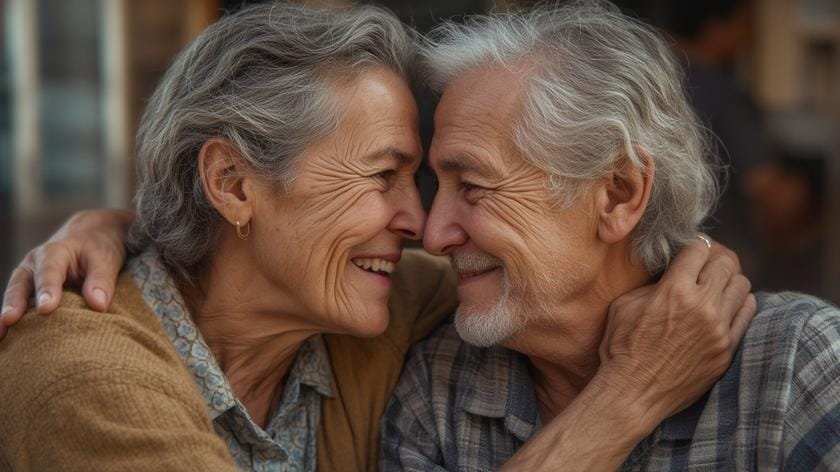
Love does not belong to a single age bracket; it is a fluid, evolving experience that can deepen with time. By examining aging love stories across literature, real life, and research, we recognize that the heart remains capable of growth, tenderness, and renewal. Embracing the possibility of Second Love equips individuals and societies to honor the full spectrum of human connection.
For those who wish to explore this realm further, we invite you to learn more about cultivating lasting intimacy and to reflect on the powerful narratives that prove love’s endurance. May these insights inspire fresh optimism, regardless of where you stand on life’s timeline.