Animal Dream Dictionary: Unraveling the Secrets of Your Subconscious
The world of sleep is a quiet theater where the mind stages vivid narratives, often populated by creatures that feel both familiar and uncanny. When a wolf stalks a moonlit plain or a butterfly flutters through a sunrise, these animal figures are not random guests but messengers carrying nuanced emotional data. By consulting an animal dream dictionary, readers can begin to translate the language of fur, feathers, and scales into actionable insight, enriching self‑awareness and personal growth.
Thank you for reading this post, don't forget to subscribe!Beyond mere curiosity, exploring dream meanings animals serves as a bridge between subconscious expression and waking intention. Whether the dream‑scape conjures a soaring eagle or a crawling beetle, each encounter holds a spectrum of symbolism shaped by cultural lore, personal experience, and universal archetypes. Unlocking these layers enables a deeper connection to inner motivations, fears, and aspirations that often remain hidden beneath daily routines.
## Table of Contents
– Understanding Animal Symbolism in Dreams
– Common Animals and Their Core Interpretations
– How to Use an Animal Dream Dictionary Effectively
– Cultural Perspectives on Dream Animals
– Integrating Dream Insights into Daily Life
– Comparison Table: Traditional vs. Animal‑Focused Dream Analysis
– FAQ
– Conclusion and Final Takeaways
## Understanding Animal Symbolism in Dreams
Animals act as mirrors, reflecting facets of the dreamer’s psyche that words sometimes cannot capture. In Jungian theory, they often embody the “shadow” or untapped potential, while in contemporary cognitive science, they may signal evolutionary instincts triggered by threat, safety, or curiosity. Recognizing these signals starts with observing the animal’s behavior, size, color, and interaction with the dream environment.
Key observation points:
1. **Behavior** – Is the animal aggressive, passive, or protective?
2. **Context** – Does the setting feel familiar, foreign, or transitional?
3. **Emotion** – What feeling dominates: awe, fear, comfort, or intrigue?
By noting these details, the dreamer builds a nuanced framework that a well‑crafted animal dream dictionary can enrich, rather than replace.
## Common Animals and Their Core Interpretations
Below is a curated selection of frequently appearing dream animals, each paired with a concise interpretive lens. This list is not exhaustive; individual experience may shift meanings, but the patterns serve as reliable starting points.
| Animal | Core Symbolic Themes | Typical Emotional Tone |
|——–|———————|————————|
| **Wolf** | Loyalty, intuition, social hierarchy | Protective or lonely |
| **Eagle** | Vision, freedom, higher perspective | Empowered or distant |
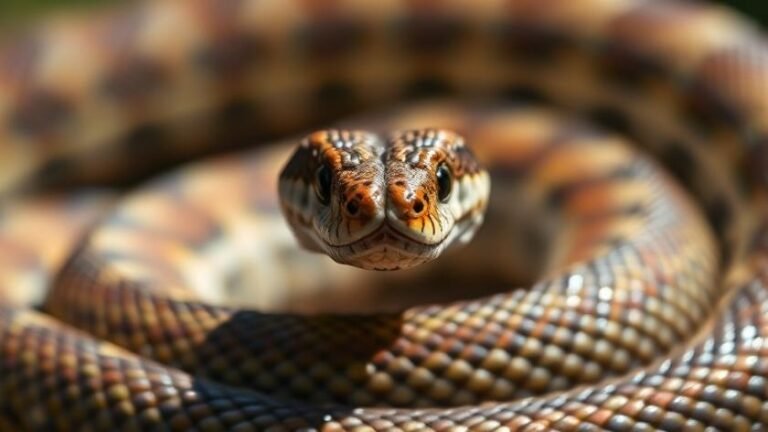
| **Snake** | Transformation, hidden threats, rebirth | Anxiety or renewal |
| **Butterfly** | Metamorphosis, lightness, fleeting joy | Hopeful or nostalgic |
| **Bear** | Strength, introspection, hibernation | Grounded or overwhelmed |
| **Dolphin** | Playfulness, communication, harmony | Joyful or yearning for connection |
| **Spider** | Creativity, intricate plans, patience | Curious or uneasy |
| **Horse** | Drive, stamina, adventure | Energetic or restless |
When a dream includes multiple animals, consider how their symbolic messages interact—perhaps a wolf urging caution while an eagle suggests a broader vision, prompting a balanced approach to a current life decision.
## How to Use an Animal Dream Dictionary Effectively
To move from mere curiosity to practical insight, adopt a structured process that integrates personal reflection with the archetypal meanings listed in an animal dream dictionary. The following steps have proven useful for both novice and seasoned dream analysts.
1. **Record Promptly** – Capture the dream in a journal within minutes of waking to preserve detail.
2. **Identify Core Elements** – Highlight each animal, its actions, and surrounding symbols.
3. **Consult Multiple Sources** – Use the animal dream dictionary alongside cultural references and personal associations.
4. **Synthesize Personal Context** – Relate the animal’s generic meaning to current life events, emotions, or goals.
5. **Create an Action Plan** – Translate insight into a tangible step, such as embracing a new skill (eagle) or confronting a hidden issue (snake).
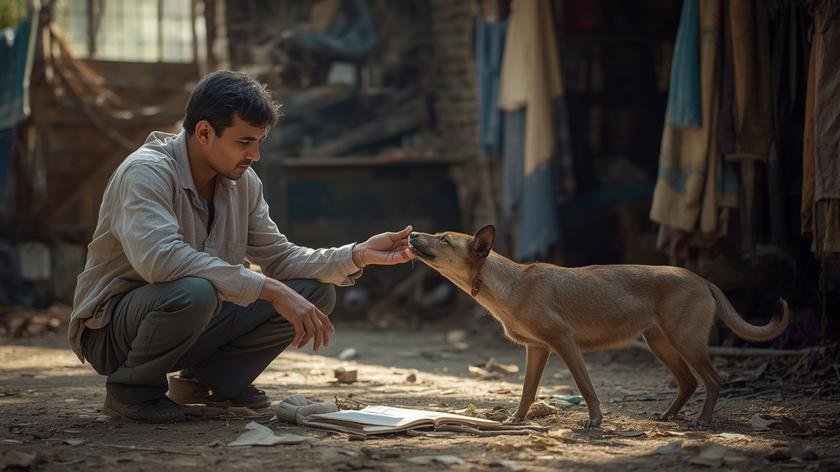
By iterating this cycle, the dreamer cultivates a habit of introspection that gradually refines interpretive accuracy. For example, after repeatedly encountering dolphins in dreams during a period of career transition, one might recognize an unconscious yearning for collaborative environments and seek out team‑oriented projects.
Explore more insights on dream pattern analysis to deepen your practice, and consider reviewing symbolic charts alongside journal entries for richer cross‑referencing.
## Cultural Perspectives on Dream Animals
Across civilizations, the symbolism of animals in dreams has been both reverent and cautionary. In ancient Egyptian texts, the cat represented protection and divine femininity, while Greek philosophers likened the dolphin to the soul’s journey toward the divine. Indigenous traditions often attribute spirit‑animal guidance, interpreting recurring animal visits as messages from ancestral realms.
These cultural lenses remind us that the meaning of an animal can shift dramatically based on geographic and historical context. An owl, for instance, is a harbinger of wisdom in many Western narratives, yet in some Asian cultures it may signal misfortune. When consulting an animal dream dictionary, it is worthwhile to glance at both universal archetypes and culturally specific nuances, ensuring a balanced interpretation that honors both collective unconscious and individual heritage.
## Integrating Dream Insights into Daily Life
Dream analysis reaches its full potential when insights inspire real‑world actions. Below are practical tactics for weaving animal symbolism into everyday decision‑making:
– **Morning Reflection** – Spend five minutes reviewing the night’s animal imagery, noting any emergent themes.
– **Visual Reminders** – Place a small token or image of a key animal on a workspace to serve as a subconscious prompt.
– **Goal Alignment** – Match the animal’s core trait with a current objective (e.g., channel the bear’s steadiness when managing a high‑stress project).
– **Mindful Practices** – Use meditation or visualization that incorporates the animal’s movement or habitat to reinforce its symbolic power.
Through these methods, the insights harvested from an animal dream dictionary become catalysts for growth rather than abstract curiosities.
## Comparison Table: Traditional vs. Animal‑Focused Dream Analysis
| Aspect | Traditional Symbolic Approach | Animal‑Focused Approach |
|---|---|---|
| Primary Lens | Broad archetypes (water, fire, numbers) | Specific fauna symbolism |
| Depth of Personalization | Moderate – relies on universal motifs | High – integrates personal animal experiences |
| Ease of Reference | Often requires multiple compendiums | Consolidated in a dedicated animal dream dictionary |
| Emotional Resonance | Varies; may feel abstract | Typically vivid due to innate human‑animal connection |
| Applicability to Life Coaching | General themes for goal setting | Targeted traits (e.g., courage of a lion) for precise action plans |
## FAQ
**What does a recurring snake dream signify?**
Transformation, hidden threats, or a need for personal renewal.
**Can dream animals predict real events?**
They reflect internal states, not literal future occurrences.
**How often should I consult an animal dream dictionary?**
Whenever an animal stands out prominently in a memorable dream.
**Is there scientific support for animal symbolism?**
Research links recurring symbols to emotional processing during REM sleep.
**Do cultural differences change dream animal meanings?**
Yes; cultural context can shift interpretations significantly.
## Conclusion and Final Takeaways
An animal dream dictionary serves as a bridge between the mystique of nocturnal narratives and the pragmatism of waking life. By observing the nuanced behaviors of dream‑time creatures, contextualizing their meanings through cultural and personal lenses, and applying structured reflection techniques, readers can transform fleeting images into lasting personal development tools. The practice nurtures self‑knowledge, encourages mindful action, and fosters a deeper appreciation for the symbiotic relationship between humanity and the animal kingdom.
For readers seeking broader perspectives, a quick online search can complement this guide: Google search results provide additional articles and community discussions.