Animal Dream Meanings: Common Symbolism Explained
Throughout history, the creatures that appear in our nocturnal narratives have served as mirrors for subconscious concerns, aspirations, and unresolved emotions. When a sleeping mind conjures an image of a wolf prowling through a misty forest or a gentle rabbit hopping across a sun‑drenched meadow, the symbolism is rarely random. Understanding why the brain selects specific fauna can illuminate hidden facets of personal growth, relational dynamics, and even health‑related signals.
Thank you for reading this post, don't forget to subscribe!Modern dream‑interpretation frameworks encourage a systematic look at animal symbols, integrating cultural archetypes with personal experience. By examining the recurring motifs and emotional tone surrounding each creature, readers can decode layers of meaning that influence waking life. This article delves into the nuanced world of animal dream meanings common symbolism, offering clear guidance for anyone eager to translate their nightly visions into actionable insight.
## Table of Contents
– Understanding Animal Symbols
– Common Animals and Their Meanings
– Interpreting Your Dream Context
– Practical Steps for Dream Recall
– Comparison Table
– FAQ
– Conclusion and Final Takeaways
## Understanding Animal Symbols
Animals in dreams operate on two primary levels: the universal archetype and the personal association. Universal archetypes stem from centuries‑old mythologies—think of the lion as a symbol of courage or the snake as an embodiment of transformation. Personal associations, however, hinge on an individual’s experiences, cultural background, and emotional memory. A dog may represent loyalty for one sleeper and an unresolved fear for another, especially if past trauma involved a canine.
Scholars in Jungian psychology emphasize that the animal figure is often a *shadow* component, revealing traits the conscious self has suppressed. By confronting the creature in the dreamscape, the dreamer initiates an internal dialogue that can lead to integration of previously compartmentalized aspects of personality. This process aligns with contemporary therapeutic approaches that prioritize self‑awareness and emotional regulation.
## Common Animals and Their Meanings
| Animal | Core Symbolic Theme | Typical Emotional Tone | Situational Variations |
|——–|——————–|———————–|————————|
| **Wolf** | Instinct, loyalty, group dynamics | Fierce, protective, sometimes threatening | Lone wolf = independence; pack wolf = need for community |
| **Eagle** | Vision, freedom, higher perspective | Elevated, awe‑inspiring | Soaring = ambition; nesting = grounded goals |
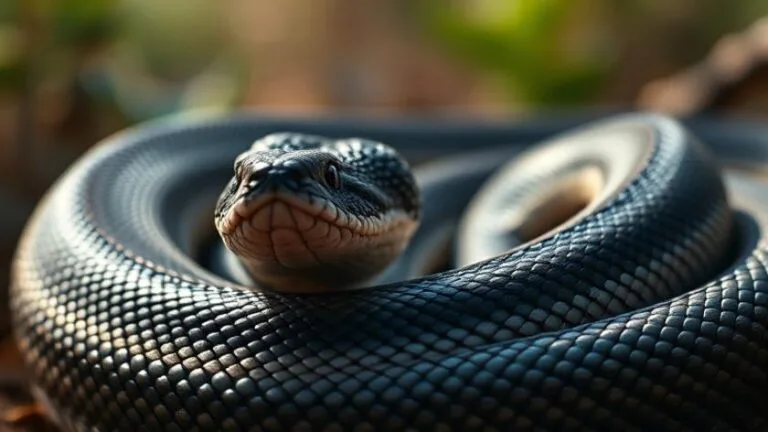
| **Snake** | Transformation, hidden threats, rebirth | Uneasy, curious | Shedding skin = personal renewal; bite = warning |
| **Butterfly** | Metamorphosis, fleeting beauty | Light, hopeful | Migration = change of direction; cocoon = introspection |
| **Dog** | Trust, companionship, protection | Warm, loyal | Barking = alertness; stray = feeling abandoned |
| **Cat** | Independence, mystery, intuition | Calm, aloof | Purring = comfort; hiss = boundary setting |
| **Bear** | Strength, introspection, hibernation | Powerful, protective | Emerging from den = new projects; standing = dominance |
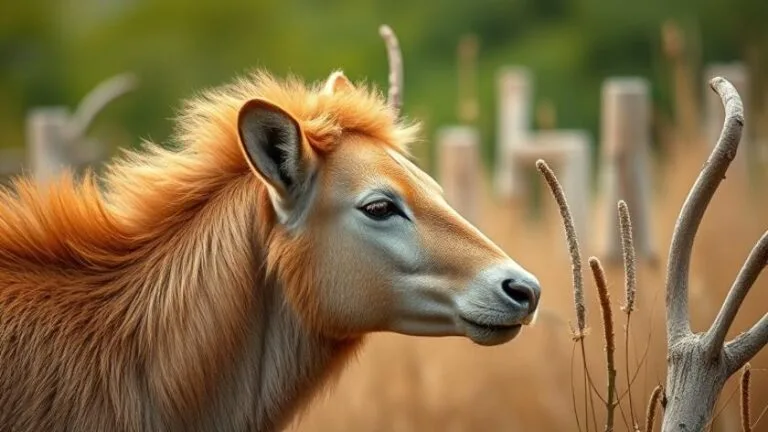
| **Horse** | Freedom, drive, raw energy | Energetic, spirited | Galloping = pursuit of goals; stumbling = obstacles |
The table above offers a quick reference, but the true insight emerges when you layer these symbols with the dream’s narrative, setting, and personal relevance.
## Interpreting Your Dream Context
1. **Identify the Primary Emotion** – Was the animal encountered with fear, awe, affection, or indifference? Emotion acts as the compass for decoding symbolism.
2. **Note the Interaction** – Are you chasing the animal, being chased, or simply observing? The dynamic often mirrors power relations in waking life.
3. **Consider the Setting** – A desert, ocean, or forest backdrop can modify meaning; water usually points to the unconscious, while open fields suggest clarity.
4. **Recall Recent Life Events** – A recent encounter with a real animal, news story, or movie can imprint its image onto dream content, acting as a catalyst rather than a deep archetype.
5. **Integrate Personal History** – If a childhood pet held special significance, that memory may color the animal’s representation dramatically.
By systematically applying these steps, you create a reproducible method that reduces reliance on vague, one‑size‑fits‑all dream dictionaries.
## Practical Steps for Dream Recall
– **Maintain a Consistent Sleep Schedule** – Regular REM cycles improve the likelihood of vivid, memorable dreams.
– **Keep a Dream Journal by the Bed** – Write the moment you wake; even fragments can trigger deeper recollection later.
– **Use a “Dream Prompt” on Your Alarm** – A gentle reminder to mentally replay the previous night’s imagery before you fully rise.
– **Engage in Pre‑Sleep Visualization** – Focus on a specific animal or scenario before sleep; this can prime the subconscious to deliver relevant material.
– **Review the Journal Weekly** – Look for patterns; recurring animals often signal persistent themes that merit attention.
These habits not only enhance recall but also condition the mind to treat dreams as valuable data, increasing the overall quality of interpretation.
read more about dream analysis and discover how subtle shifts in nightly narratives can guide real‑world decisions.
| Interpretive Approach | Key Focus | Strengths | Limitations |
|---|---|---|---|
| Jungian Archetype | Collective unconscious symbols | Deep psychological insight | Can overlook personal nuance |
| Freudian Symbolism | Repressed desires & sexuality | Clear link to early childhood | Heavy emphasis on sexuality may mislead |
| Neurocognitive Model | Memory consolidation processes | Scientific grounding | May underplay emotional depth |
| Intuitive Personal Method | Dreamer’s own feelings & life context | Highly personalized | Subject to bias |
Choosing a method depends on the dreamer’s goals: therapeutic depth, scientific curiosity, or personal growth. Many practitioners blend multiple approaches for a balanced perspective.
**What does dreaming about a snake mean?**
Transformation or hidden danger, depending on emotion.
**Are animal symbols universal across cultures?**
Core archetypes repeat, yet specifics vary culturally.
**Can a recurring animal indicate a health issue?**
Possibly; e.g., repeated bird dreams may relate to breathing concerns.
**Do Pet Dreams differ from wild‑animal dreams?**
Pet imagery often reflects personal bonds; wild animals signal broader instincts.
**How often should I journal my dreams?**
Ideally every morning; consistency yields pattern recognition.
**Is there scientific evidence supporting dream symbolism?**
Neurocognitive research links REM activity to emotional processing.
## Conclusion and Final Takeaways
Animal imagery in the nightscape is a potent conduit for subconscious communication. By recognizing the interplay between universal archetypes and individual experience, you can transform ambiguous nocturnal scenes into practical wisdom. Implementing structured recall techniques, contextual analysis, and an awareness of different interpretive frameworks equips you to harness these messages for personal development, relational clarity, and even health awareness.
As you continue to log and decode your visions, remember that each animal serves as a guide pointing toward an aspect of yourself that seeks acknowledgment. The ongoing dialogue between waking life and dream symbolism not only enriches self‑understanding but also cultivates a resilient, reflective mindset capable of navigating life’s complexities.
Explore more research on Animal Dream Meanings: Common Symbolism Explained.
discover additional tools for lucid dreaming.
—
*Feel free to review, correct, and refine this article to ensure it meets your editorial standards.*