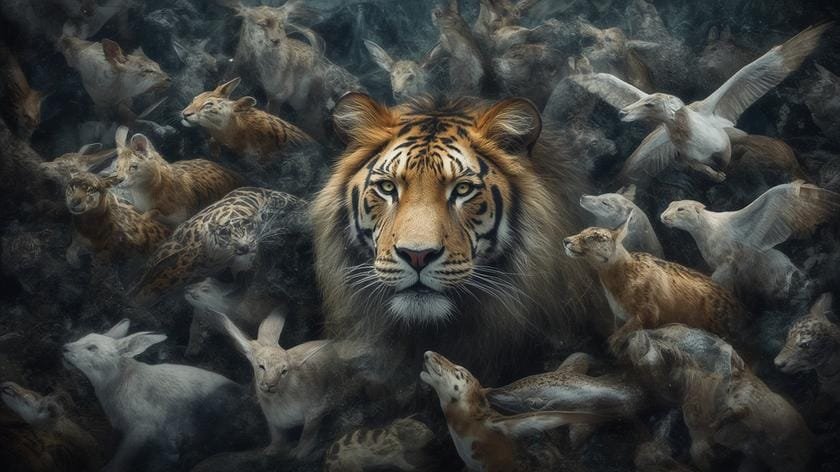
Animals in Dreams: Uncovering Subconscious Signs
Dreams have long served as a bridge between waking life and the hidden realms of the psyche, offering glimpses into emotions, fears, and desires that often remain unnoticed during conscious hours. When an animal darts across the dreamscape, it is rarely a random occurrence; instead, it carries symbolic weight that can illuminate inner conflicts or strengths. Recognizing animals in dreams psychological subconscious signs provides a roadmap for understanding how the unconscious mind translates lived experience into vivid narratives.
Thank you for reading this post, don't forget to subscribe!Modern research into sleep and cognition suggests that the Subconscious Mind employs familiar motifs—such as animals—to encode complex messages in a language our brain can quickly interpret. By paying attention to the type of creature, its behavior, and the emotional tone surrounding it, individuals can decode these nightly messages and apply the insights to personal growth, decision‑making, and emotional balance.
## Table of Contents
– Understanding Dream Symbolism
– Common Animal Archetypes and Their Meanings
– Cultural Influence on Animal Dream Interpretation
– Practical Steps to Decode Your Animal Dreams
– Decision‑Making Table: Symbol vs Personal Context
– FAQ
– Conclusion and Final Takeaways
## Understanding Dream Symbolism {#understanding-dream-symbolism}
Dream symbolism operates on multiple layers. At the most basic level, the brain utilizes archetypal images—shapes, colors, and beings that are universally recognizable—to convey emotional states. Animals, as primal symbols, often embody instincts, survival drives, or social structures that the conscious mind may repress or ignore.
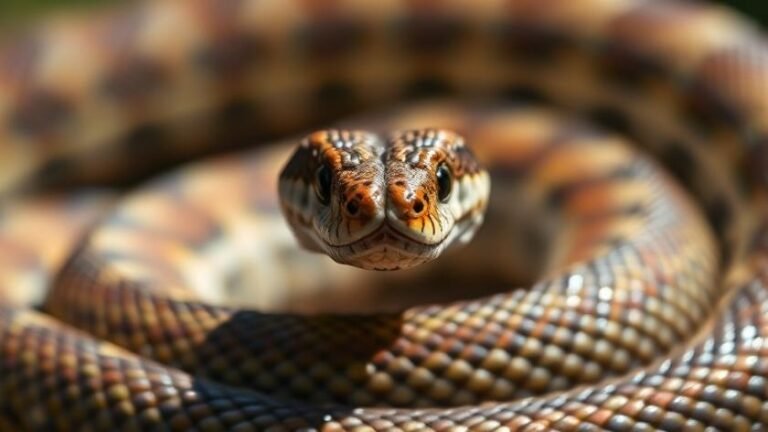
From a neuropsychological perspective, the limbic system, which governs emotion, collaborates with the visual cortex during REM sleep to construct narratives rich in metaphor. When the brain selects an animal as a focal point, it is typically pairing the creature’s innate characteristics with the dreamer’s internal narrative. For instance, a soaring eagle may reflect aspirations for freedom, while a lurking snake could signal hidden threats.
The Subconscious Mind does not work in isolation; it is influenced by cultural conditioning, personal history, and even recent media consumption. Consequently, the same animal can convey divergent meanings for different individuals. Understanding this layered approach equips readers to move beyond surface interpretations and engage with the deeper psychological currents at play.
## Common Animal Archetypes and Their Meanings {#common-animal-archetypes}
| Animal | Core Archetype | Typical Positive Connotation | Typical Negative Connotation |
|——–|—————-|——————————|——————————|
| **Wolf** | Pack loyalty, intuition | Strong social bonds, guidance | Aggression, feeling threatened |
| **Butterfly** | Transformation, rebirth | Personal growth, optimism | Fragility, superficial change |
| **Dog** | Unconditional love, protection | Trust, companionship | Dependency, blind obedience |
| **Cat** | Independence, mystery | Self‑reliance, curiosity | Aloofness, hidden agendas |
| **Snake** | Healing, renewal | Wisdom, shedding old patterns | Deception, fear of the unknown |
| **Bird** (generic) | Freedom, perspective | Aspiration, elevated view | Escapism, restlessness |
| **Horse** | Power, journey | Drive, stamina | Stubbornness, loss of control |
These archetypes serve as a reference point, but they are not definitive. The surrounding dream context—including environment, action, and emotional tone—must be weighed against personal experience to extract a nuanced interpretation.
### Why the Focus Keyword Matters Here
When analyzing any animal figure, the framework of animals in dreams psychological subconscious signs helps unify the symbolic language across disparate cultures and personal histories. This unified approach ensures that readers ground their analysis in a systematic methodology rather than relying on anecdotal folklore alone.
## Cultural Influence on Animal Dream Interpretation {#cultural-influence}
Across the globe, animals have assumed distinct symbolic roles shaped by mythology, religion, and local ecology. In East Asian cultures, dragons represent imperial authority and prosperity, while in many Indigenous American traditions, the bear embodies strength and healing. African folklore often assigns the trickster role to the hare, highlighting cleverness amidst adversity.
These cultural lenses affect how dreamers perceive animal encounters. A person raised in a community where lions symbolize royalty may feel empowered upon seeing a lion in a dream, whereas another individual might associate the same creature with danger. Recognizing cultural bias is essential for accurate decoding.
For those seeking a broader perspective, a quick web search can reveal diverse interpretations: Google search. This external resource complements internal analysis by exposing alternative symbol frameworks.
## Practical Steps to Decode Your Animal Dreams {#practical-steps}
1. **Record the Dream Immediately**
Write down every detail—animal species, size, color, behavior, emotions felt, and surrounding scenery. The richer the record, the more data points you have for analysis.
2. **Identify Core Emotions**
Ask yourself: What feeling dominated the dream? Fear, joy, curiosity, or perhaps a mix? Emotions often act as the interpreter’s compass, pointing toward the most relevant symbolic layer.
3. **Map the Animal to Archetypal Meaning**
Refer to the archetype table above. Align the animal’s traditional symbolism with the emotions you noted. This step creates a preliminary hypothesis.
4. **Cross‑Reference Personal Associations**
Reflect on personal experiences with the animal—pets, encounters, media, or stories. If a dog once saved you from danger, its appearance may reinforce themes of protection rather than generic loyalty.
5. **Consider Current Life Context**
Examine ongoing life situations—career transitions, relationship dynamics, health concerns. The dream may be a subconscious response to these real‑world pressures.
6. **Integrate the Insight**
Form a concise statement that connects the animal, its archetype, your emotions, and current life context. For example: “Seeing a hummingbird while feeling exhilarated suggests I am ready to embrace new creative projects.”
7. **Apply the Insight**
Use the derived message as a guide for decision‑making, emotional regulation, or personal development. Revisit the journal entry after a few weeks to assess whether the insight manifested.
By following this structured process, the abstract concept of animals in dreams psychological subconscious signs becomes a practical toolkit for self‑exploration.
For readers who want a fuller walkthrough, our step‑by‑step dream interpretation guide expands on each of these points with real‑world examples.
## Decision‑Making Table: Symbol vs Personal Context {#comparison-table}
| Decision Factor | Symbol‑Centric Approach | Personal‑Context Approach |
|---|---|---|
| Reliability | High for universal themes; may overlook individuality. | Tailored to personal history; risk of over‑subjectivity. |
| Speed of Interpretation | Quick reference using archetype tables. | Requires deeper reflection; slower but richer. |
| Applicability to Life Decisions | Broad guidance; useful for general direction. | Specific actionable insights; aligns with current challenges. |
| Potential for Misinterpretation | Higher if cultural variance ignored. | Lower when personal narratives are accurately integrated. |
## FAQ {#faq}
**Q1: Do all animals in dreams have meaning?**
A1: Most do, though the relevance varies by context.
**Q2: Can recurring animal dreams indicate a mental health issue?**
A2: Repetition may signal unresolved emotions needing attention.
**Q3: How often should I journal my dreams?**
A3: Ideally each morning after waking.
**Q4: Does the color of the animal change its symbolism?**
A4: Yes, color adds emotional nuance to the core archetype.
**Q5: Should I consult a professional for dream analysis?**
A5: A therapist can help if dreams cause distress.
**Q6: Is there scientific proof for dream symbolism?**
A6: Neuroscience supports symbolic processing during REM sleep.
## Conclusion and Final Takeaways {#conclusion}
The nightly theatre of the mind uses animals in dreams psychological subconscious signs as a sophisticated language that blends evolutionary instincts, cultural narratives, and personal memories. By systematically recording, analyzing, and contextualizing these animal figures, individuals unlock a resource for emotional insight, creative problem‑solving, and personal growth.
Remember that dream interpretation is an evolving practice. Each new dream refines your internal dictionary, making future insights sharper and more relevant. Embrace the process with curiosity, and let the hidden messages of the night guide your waking journey.