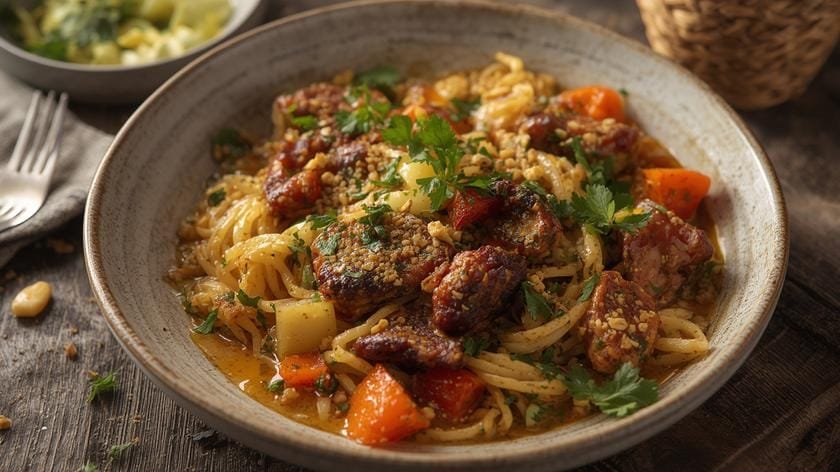
Authentic African Cuisine Recipes to Savor
Exploring the diverse tapestry of African gastronomy reveals a world where history, climate, and culture converge on the plate. From the bustling markets of Lagos to the quiet villages of the Sahel, the continent offers flavors that are as bold as they are nuanced, inviting cooks to step beyond familiar borders. Embracing authentic african cuisine recipes not only enriches the palate but also honors centuries‑old culinary traditions passed down through generations.
Thank you for reading this post, don't forget to subscribe!For home chefs seeking to broaden their repertoire, the journey begins with a curiosity for regional staples and an appreciation for the stories each dish tells. Whether you are drawn to fiery stews, aromatic rice dishes, or hearty porridges, the following guide provides a structured pathway to discover and recreate these culinary treasures, all while respecting the cultural context that makes them unforgettable.
– [Regional Flavors Across the Continent](#regional-flavors)
– [Core Ingredients and Techniques](#core-ingredients-and-techniques)
– [Signature Dishes and Their Stories](#signature-dishes)
– [Step‑by‑Step Recipe Highlights](#step-by-step-recipe-highlights)
– [Comparison Table: Preparation Time vs. Nutritional Value](#comparison-table)
– [Frequently Asked Questions](#faq)
– [Conclusion and Final Takeaways](#conclusion)
## Regional Flavors Across the Continent
Africa’s culinary landscape cannot be reduced to a single flavor profile. The northern sands yield spiced tagines infused with preserved lemons, while the equatorial rainforests produce coconut‑laden stews that balance heat with sweetness. Moving eastward, the Horn of Africa favors dry‑baked flatbreads and fermented dairy, whereas the southern tip offers barbecue‑centric meals built around open‑fire grilling.
Among the most celebrated collections of dishes are West African Recipes, which showcase ingredients such as palm oil, baobab powder, and smoked fish. These recipes often center on communal dining, with large pots of jollof rice or groundnut soup simmering for hours to develop depth. Understanding the regional philosophies that shape these dishes is essential for any cook aiming to achieve genuine taste fidelity.
## Core Ingredients and Techniques
### Staples
– **Grains:** Millet, sorghum, fonio, and teff form the backbone of many meals, providing a gluten‑free alternative to wheat.
– **Legumes:** Black-eyed peas, cowpeas, and lentils supply protein and texture, especially in stews.
– **Tubers:** Yams, cassava, and sweet potatoes are frequently roasted, boiled, or mashed.
### Aromatics and Condiments
– **Spices:** Grains of paradise, berbere, and African bird’s eye chili deliver heat without overpowering.
– **Herbs:** Fresh cilantro, parsley, and dried moringa leaves add bright, earthy notes.
– **Oils:** Palm oil and peanut oil contribute distinctive colors and mouthfeel.
### Techniques
1. **Smoking:** Fish and meat are often smoked over wood, imparting a deep, smoky flavor.
2. **Fermentation:** Fermented milks and porridges develop tanginess and improve digestibility.
3. **Stewing:** Slow simmering with a “holy trinity” of onions, tomatoes, and peppers extracts maximum flavor.
These components and methods form the toolkit for recreating dishes that respect their origins while allowing for modern kitchen adaptations.
## Signature Dishes and Their Stories
| Dish | Country/Region | Primary Ingredients | Cultural Significance |
|——|—————-|———————|———————–|
| Jollof Rice | West Africa | Parboiled rice, tomatoes, peppers, meat or fish | Symbol of celebration; often featured in festivals |
| Injera with Doro Wat | Ethiopia & Eritrea | Teff flatbread, chicken stew, berbere spice | Central to communal meals; eaten with hands |
| Bobotie | South Africa | Ground meat, curry powder, egg topping | Cape Malay heritage; blends sweet and savory |
| Tagine al‑Lham | Morocco | Lamb, preserved lemon, olives, spices | Slow‑cooked in earthenware; showcases desert flavors |
| Ugali with Sukuma Wiki | East Africa | Maize flour, collard greens, onions | Daily staple; represents sustenance and family unity |
Each plate tells a narrative of trade routes, migration, and adaptation. By preparing these dishes, cooks participate in a living history that transcends borders.
## Step‑by‑Step Recipe Highlights
### 1. Classic Jollof Rice (West Africa)
**Ingredients**
– 2 cups parboiled rice
– 1 ½ lb chicken thighs, browned
– 1 large onion, diced
– 1 red bell pepper, blended
– 2 cups crushed tomatoes
– ¼ cup palm oil
– 1 tsp thyme, 1 tsp smoked paprika, 2 bay leaves
**Method**
1. Heat palm oil; sauté onion until translucent.
2. Add blended pepper and tomatoes; simmer 10 minutes.
3. Stir in spices, bay leaves, and browned chicken.
4. Add rice, coat with sauce, then pour in 3 cups water.
5. Cover tightly; cook on low heat 20‑25 minutes until rice is fluffy.
*Tip:* For a richer depth, incorporate a small amount of smoked fish broth.
### 2. Ethiopian Injera with Doro Wat (East Africa)
**Ingredients**
– Injera batter (teff flour, water, fermented 2‑3 days)
– 1 lb chicken drumsticks, seasoned
– 2 onions, finely chopped
– ¼ cup berbere spice blend
– 2 hard‑boiled eggs per serving
– ½ cup clarified butter
**Method**
1. Sauté onions in butter until golden, then add berbere; cook 2 minutes.
2. Add chicken pieces, coat with spice mix, and simmer with water until tender.
3. Place eggs into the stew during the last 5 minutes.
4. Serve atop a large injera sheet, allowing diners to tear and scoop.
These step‑by‑step guides demonstrate how the principles outlined earlier translate into authentic results. By following precise measurements and respecting traditional timelines, the flavors remain true to their origins.
## Comparison Table: Preparation Time vs. Nutritional Value
| Dish | Average Prep & Cook Time | Calories (per serving) | Protein (g) | Key Nutrient Highlights |
|---|---|---|---|---|
| Jollof Rice | 45 minutes | 420 | 22 | Vitamin A from tomatoes, iron from palm oil |
| Injera & Doro Wat | 3 hours (including fermentation) | 380 | 28 | Complete protein from teff, calcium from clarified butter |
| Bobotie | 60 minutes | 450 | 24 | Vitamin B12 from meat, zinc from almonds |
| Tagine al‑Lham | 2 hours | 500 | 30 | Omega‑3 from preserved lemon, potassium from olives |
The table equips readers with quick decision‑making data, balancing time constraints against nutritional goals, and helps prioritize dishes that fit specific lifestyle needs.
**Q1: Are these dishes suitable for a gluten‑free diet?**
A1: Most are naturally gluten‑free; avoid wheat‑based side breads.
**Q2: Can I substitute palm oil with a healthier oil?**
A2: Yes, use grapeseed or avocado oil, though flavor changes slightly.
**Q3: How long can the fermented batter for injera be stored?**
A3: Up to 5 days in the refrigerator, sealed.
**Q4: What is the best way to preserve leftover jollof rice?**
A4: Cool quickly, store in airtight containers, consume within 3 days.
**Q5: Are the spices used in berbere safe for children?**
A5: Reduce the amount of chili flakes for milder heat.
**Q6: Is there a vegan version of bobotie?**
A6: Replace meat with lentils or mushrooms and use plant‑based egg substitute.
## Conclusion and Final Takeaways
Delving into authentic african cuisine recipes offers more than a culinary adventure; it provides a bridge to the continent’s vibrant histories and communal values. By mastering core ingredients, respecting traditional techniques, and employing thoughtful preparation methods, home cooks can recreate dishes that taste as genuine as those served in bustling African markets. The journey is ongoing—each trial in the kitchen contributes to a deeper appreciation of the cultural mosaic that defines Africa’s food heritage.
For continued exploration, consider revisiting the earlier sections on regional flavors and core techniques, and feel free to reference the internal guides scattered throughout this article. To broaden your research, you may also consult external searches such as Google search for additional perspectives and community insights.