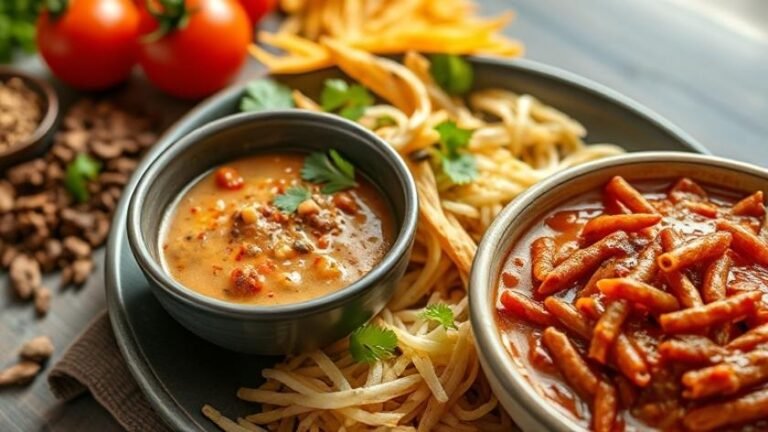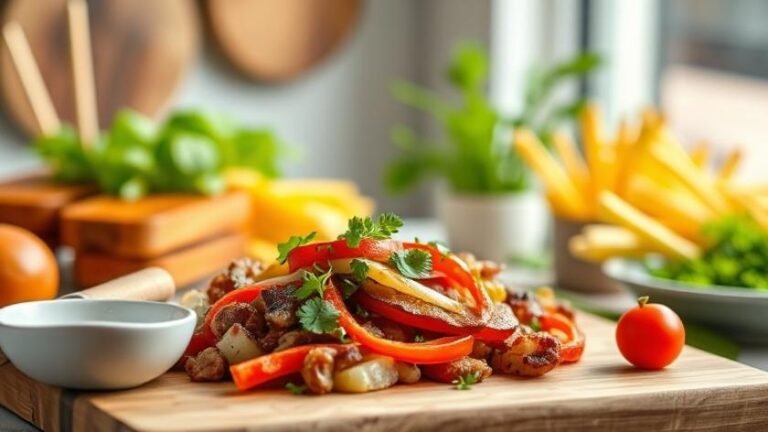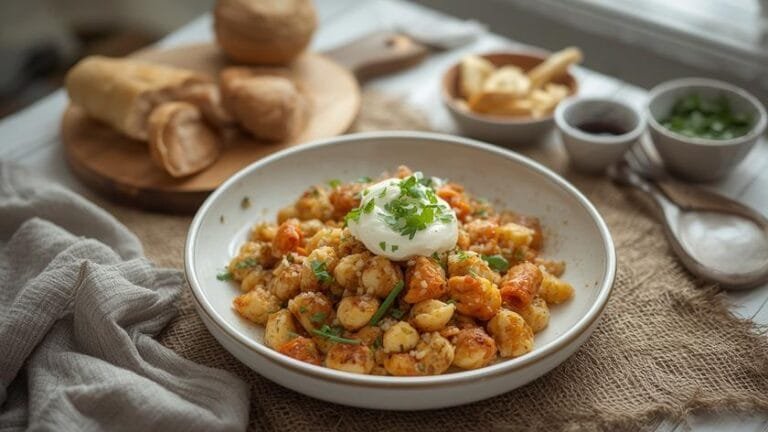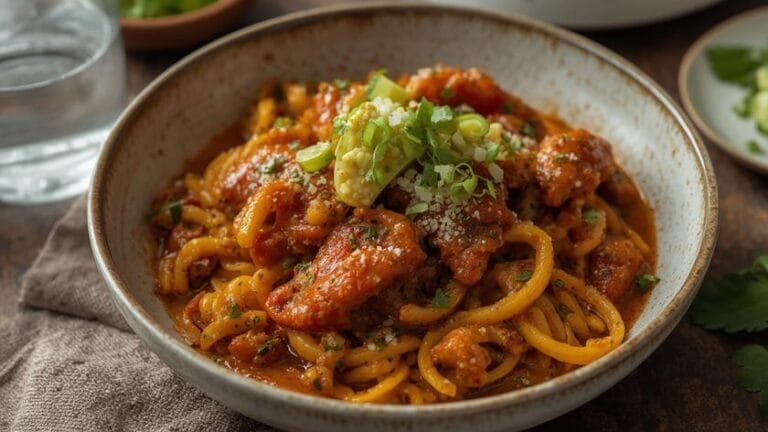
Authentic Argentinian Cuisine Recipes to Savor
Argentina’s culinary landscape is a vibrant tapestry woven from the flavors of its diverse geography, immigrant heritage, and time‑honored cooking traditions. From the wind‑swept Pampas to the rugged Andes, each region contributes distinct ingredients and techniques that together create a cuisine celebrated worldwide for its depth and authenticity. Exploring authentic argentinian cuisine recipes offers a window into the country’s cultural soul, where simple, high‑quality produce is transformed into dishes that linger in memory long after the last bite.
Thank you for reading this post, don't forget to subscribe!For home cooks seeking to recreate the unmistakable taste of Buenos Aires cafés or rural family gatherings, the following guide assembles the essential knowledge, classic dishes, and practical tips needed to master this rich culinary heritage. By staying true to the principles behind authentic argentinian cuisine recipes, you’ll be able to serve meals that honor tradition while fitting comfortably into modern kitchens.
## Table of Contents
– Regional Foundations
– Signature Dishes
– Essential Ingredients
– Cooking Techniques
– Comparison of Popular Stews
– FAQ
– Conclusion and Final Takeaways
## Regional Foundations
Argentina’s size yields a mosaic of culinary influences. In the fertile Pampas, cattle ranching has produced a culture centered on beef, while the northwest embraces corn, beans, and spices introduced by indigenous peoples and later by Spanish colonizers. The Patagonia region relies on lamb, trout, and hardy vegetables, whereas the coastal provinces favor seafood and citrus. Understanding these geographic foundations helps explain why certain dishes are celebrated in one province and virtually unknown in another.
Seasonality also guides the Argentine kitchen. Summer months bring fresh tomatoes, peppers, and stone fruits, encouraging light salads and cold soups, while winter favors hearty legumes and root vegetables, giving rise to simmering stews that warm both body and spirit. By aligning your ingredient choices with the natural rhythm of the land, you reinforce the authenticity that defines authentic argentinian cuisine recipes.
## Signature Dishes
### Empanadas
These hand‑folded pastries are a staple at family gatherings and street stalls alike. Fillings vary by province: Salta prefers a spicy mix of beef, potatoes, and paprika, while Buenos Aires leans toward a milder beef and onion blend. The key to a perfect empanada lies in the dough’s balance—flour, butter, and a splash of water create a flaky yet sturdy crust that holds the savory filling without sogginess.
### Asado
Argentine barbecue, known as **asado**, is less a single dish and more a social ritual. Thick cuts such as **bife de chorizo** (sirloin) and **costillas** (ribs) are seasoned simply with coarse salt, then grilled over **lechón** wood for a subtle smokiness. The ritual often includes a **chimichurri** sauce—a bright blend of parsley, garlic, oregano, vinegar, and olive oil—that adds a fresh counterpoint to the rich meat. For those interested in deeper technique, learn more about traditional grilling within this cultural context.
### Choripán
A beloved sandwich made from a grilled chorizo sausage nestled in a crisp baguette, topped with chimichurri. It’s the quick‑eat counterpart to the slower‑cooked asado, showcasing the same high‑quality pork and simple seasoning philosophy.
### Locro
A thick stew traditionally prepared on national holidays, especially May 25th. It combines white corn, beans, pork, and beef, simmered for hours until the corn kernels burst and the broth thickens into a comforting porridge. The dish is a testament to the rural heritage of the interior provinces.
### Humita en Chala
Corn kernels are grated, mixed with sautéed onions, sweet peppers, and a touch of cheese, then wrapped in corn husks and steamed. This preparation highlights the natural sweetness of fresh corn, a crop abundant in the northern highlands.
Each of these dishes illustrates the principle that high‑quality, locally sourced ingredients, minimally altered, create the most memorable flavors. You’ll find more inspiration when you explore a wide range of Argentine Recipes beyond the classics, such as desserts like **flan con dulce de leche** or regional sweets like **alfajores**.
## Essential Ingredients
– **Beef** (preferably grass‑fed, cut into steaks, ribs, or ground)
– **Corn** (both field and sweet varieties for stews and salads)
– **Potatoes** (yellow varieties for their creamy texture)
– **Legumes** (white beans, lentils, and chickpeas)
– **Paraguayan cheese** or **queso fresco** (for empanadas and humitas)
– **Olive oil** (extra‑virgin, for chimichurri and dressing)
– **Red wine vinegar** (a staple in marinades and sauces)
– **Herbs** (parsley, oregano, bay leaf, and cilantro in specific regions)
– **Spices** (smoked paprika, cumin, and coarse black pepper)
The simplicity of the pantry is intentional; each ingredient shines without competing flavors. When sourcing, aim for fresh, locally produced items whenever possible, as Argentine cooks traditionally rely on market‑day freshness.
## Cooking Techniques
### Grilling (Parrilla)
The parrilla, an open‑air grill built with a metal grate over a wood or charcoal fire, is the heart of Argentine cooking. Mastery involves controlling heat zones: a hotter side for searing steaks, a cooler side for gently cooking sausages. Rotate meat regularly to achieve an even char without burning. Rest the meat for 5–10 minutes after grilling to allow juices to redistribute.
### Stewing (Guisado)
Long, slow simmering extracts depth from bones, legumes, and vegetables. Begin by sautéing aromatics—onion, garlic, and bell pepper—in olive oil, then add the main protein and cover with broth or water. Skim surface fat periodically to keep the broth clear. Patience is essential; many stews improve after a second reheating.
### Baking (Horno)
For pastries like empanadas and humitas, a high‑heat oven (200 °C / 390 °F) creates a golden exterior while preserving a moist interior. Use a preheated stone or heavy baking sheet to emulate the rustic ovens of Argentine countryside homes.
### Frying (Fritura)
A quick‑cook method for items such as **milanesa** (breaded cutlet). Use a shallow pan with ample oil heated to 170 °C (340 °F). Fry until the coating turns a light amber, ensuring the interior remains juicy.
**Tip:** For a truly authentic experience, combine techniques—start a stew, finish it on the parrilla for a smoky finish, then serve alongside freshly baked bread.
## Comparison of Popular Stews
| Stew | Core Ingredients | Typical Cooking Time | Regional Origin | Signature Flavor |
|---|---|---|---|---|
| Locro | Corn, white beans, pork, beef, pumpkin | 3–4 hours | Northwest & Central | Earthy corn sweetness with smoky pork |
| Carbonada | Beef, corn, sweet potatoes, apricots, raisins | 2–3 hours | Buenos Aires & Patagonia | Sweet‑savory contrast, fruity notes |
| Puchero | Beef shank, chicken, carrots, potatoes, peas | 2 hours | Nationwide | Clean broth with tender meat |
When selecting a stew for a gathering, consider the desired flavor profile and the time you can dedicate. **Locro** offers a hearty, festival‑ready dish; **Carbonada** adds a subtle sweetness ideal for colder evenings; **Puchero** provides a lighter, broth‑forward option that pairs well with fresh salads.
## FAQ
**What cut of meat is best for asado?**
Ribeye (bife de chorizo) and short ribs (costillas) are preferred.
**Can I substitute corn for locro if out of season?**
White hominy or frozen corn kernels work as alternatives.
**Is chimichurri always served cold?**
Yes, it’s typically prepared at room temperature and served chilled.
**Do Argentine recipes require special equipment?**
A sturdy grill (parrilla) and a heavy pot for stews are ideal.
**How long should empanada dough rest?**
At least 30 minutes, refrigerated, before shaping.
## Conclusion and Final Takeaways
Argentina’s culinary tradition thrives on a respect for quality, simplicity, and communal enjoyment. By grounding yourself in regional foundations, mastering a handful of signature dishes, and employing the classic techniques outlined above, you can create meals that feel both authentic and deeply satisfying. Whether you’re preparing a sizzling asado for friends or a comforting locro for a holiday, each recipe is an invitation to partake in a culture that celebrates food as a bridge between past and present.
Continue refining your skills, experiment with seasonal variations, and share the results with fellow food lovers. A genuine appreciation for the flavors and stories behind these dishes will ensure that the spirit of Argentine cooking endures in kitchens worldwide.
discover additional cooking insights and keep the tradition alive, one delicious plate at a time.