Authentic Bolivian Food Recipes to Savor
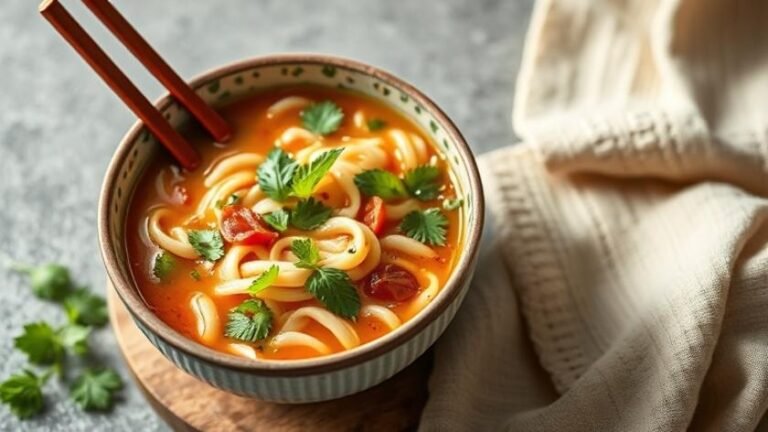
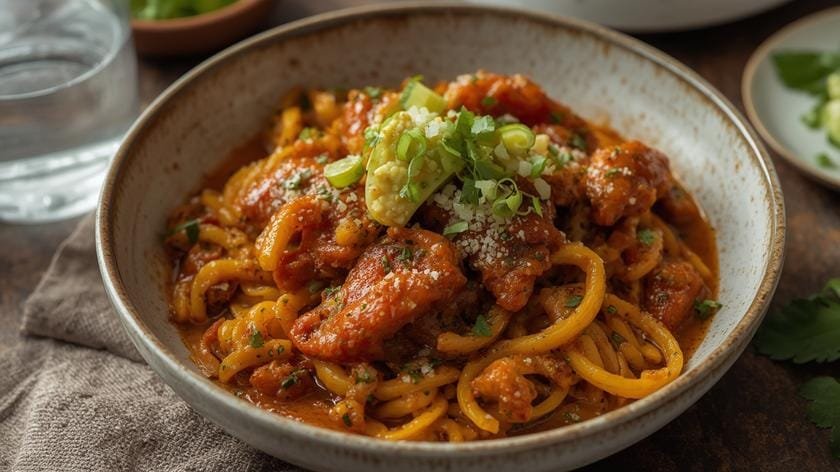
The flavors of the Andes have traveled far beyond the mountain peaks, carried by generations of families who have refined their culinary heritage into dishes that are simultaneously humble and celebratory. Exploring authentic bolivian food recipes offers a glimpse into a culture where corn, potatoes, and quinoa are not just staples but storytellers, each preparation reflecting regional customs, seasonal rhythms, and the resilient spirit of the people who create them.
Thank you for reading this post, don't forget to subscribe!Whether you are a home cook seeking to broaden your palate or a food enthusiast eager to understand the gastronomic tapestry of South America, delving into these recipes provides practical guidance and cultural context. By the end of this guide, you will be equipped to recreate classic meals that honor tradition while fitting modern kitchen realities, all without sacrificing the genuine taste that defines authentic bolivian food recipes.
## Table of Contents
– Regional Foundations of bolivian cuisine
– Staple Ingredients and Their Roles
– Signature Dishes and How to Prepare Them
– Traditional Cooking Techniques
– Meal Planning for Authentic Flavors
– Recipe Complexity vs. Time Investment
– Frequently Asked Questions
– Conclusion and Final Takeaways
## Regional Foundations of bolivian cuisine
Bolivia’s geography is a mosaic of high plateaus, tropical lowlands, and rugged mountains, each region cultivating its own culinary identity. In the Altiplano, the cold climate favors hardy tubers such as chuño (freeze‑dried potatoes) and quinoa, while the eastern valleys celebrate corn and beans. The Amazonian fringe introduces exotic fruits, fresh fish, and a richer use of spices. Understanding these regional distinctions is essential before tackling any recipe, as ingredient availability and cooking methods vary dramatically across the country.
The legacy of pre‑Columbian societies, the Spanish colonial influence, and later migrations from Europe and neighboring nations have blended into a unique gastronomic fabric. Dishes often combine indigenous staples with European techniques—think of a stew that utilizes the Spanish sofrito base but incorporates native potatoes and ají (hot pepper). This hybridity is the hallmark of authentic bolivian food recipes, and it informs the flavor profiles you will encounter throughout the guide.
## Staple Ingredients and Their Roles
A successful replication of traditional dishes begins with mastering the pantry. Below is an overview of the most common ingredients:
| Ingredient | Typical Form | Flavor Profile | Typical Use |
|————|————–|—————-|————-|
| Quinoa | Whole grain, pre‑rinsed | Nutty, slightly earthy | Salads, soups, side dishes |
| Chuño | Freeze‑dried potato | Concentrated potato, slightly sweet | Stews, soups, side plates |
| Llama / Beef | Fresh cuts, often braised | Rich, robust | Main proteins in ragù‑style dishes |
| Ají Amarillo | Dried or fresh pepper | Fruity heat | Sauces, marinades |
| Locro beans | Dried white beans | Creamy, mild | Bean stews (locro) |
| Corn (mote) | Dried kernels, boiled | Sweet, tender | Side grain, base for soups |
| Plantains | Ripe or green | Sweet (ripe) / starchy (green) | Fried sides, desserts |
| Cheese (Queso fresco) | Soft, crumbly | Mild, slightly salty | Toppings, fillings |
Each ingredient carries a cultural narrative; for example, chuño was a preservation method developed by Andean peoples to survive harsh winters. When you treat these components with respect—rinsing quinoa to remove saponins or rehydrating chuño properly—you lay the groundwork for dishes that truly reflect the heart of the Andes.
## Signature Dishes and How to Prepare Them
Below are three cornerstone recipes that exemplify the diversity of authentic bolivian food recipes. Detailed steps, ingredient notes, and cooking tips are provided to ensure reliable results.
### 1. Salteña (Bolivian Empanada)
**Ingredients**
– 2 cups all‑purpose flour
– ½ cup butter, chilled and diced
– ¼ cup lard or vegetable shortening
– ½ tsp salt
– ¾ cup warm water
– 1 cup cooked beef, shredded
– ½ cup peas & carrots mix
– ¼ cup boiled potatoes, diced
– 1 hard‑boiled egg, quartered
– 1 tbsp ají amarillo paste
– ½ cup chicken broth (for filling)
– 1 tbsp sugar, 1 tbsp vinegar (for dough)
**Method**
1. **Dough**: Combine flour, salt, sugar, butter, and larder. Rub together until crumbly. Add warm water gradually, forming a smooth, elastic ball. Rest 30 minutes.
2. **Filling**: In a skillet, sauté beef with ají paste, then add peas, carrots, potatoes, and broth. Simmer until thick, then cool.
3. **Assembly**: Roll dough to ¼‑inch thickness; cut circles 4‑inches wide. Place a spoonful of filling, a quarter egg, fold, and crimp edges.
4. **Baking**: Pre‑heat oven to 375°F (190°C). Brush each salteña with beaten egg, bake 20‑25 minutes until golden and slightly puffed.
*Tip*: The hallmark of a perfect salteña is a slightly sweet, juicy interior that bursts when bitten. This is achieved by cooking the filling with a modest amount of broth and sealing the pastry well.
### 2. Pique Macho
**Ingredients**
– 300 g beef sirloin, cubed
– 200 g chorizo, sliced
– 2 large potatoes, cut into thick wedges
– 1 cup cooked red kidney beans
– 1 onion, sliced
– 1 bell pepper, sliced
– 2 tbsp ají rojo sauce
– 2 tbsp vegetable oil
– Salt, pepper, cumin to taste
**Method**
1. Fry potato wedges until crisp; set aside.
2. In a hot pan, sear beef cubes with salt, pepper, and cumin until browned. Remove.
3. Add chorizo, onion, and bell pepper; sauté until softened.
4. Return beef to pan, stir in ají rojo sauce and a splash of water; simmer 5 minutes.
5. Plate by arranging potatoes as a base, topping with the meat mixture, then sprinkling beans over the top.
*Tip*: For an extra layer of authenticity, serve with a side of fresh lime wedges and a small bowl of hot sauce.
### 3. Sopa de Maní (Peanut Soup)
**Ingredients**
– ½ cup roasted peanuts, finely ground
– 4 cups chicken or vegetable broth
– 1 cup diced carrots
– 1 cup diced potatoes
– ½ cup chopped kale or spinach
– 1 onion, finely diced
– 2 garlic cloves, minced
– 1 tbsp vegetable oil
– Salt and pepper to taste
**Method**
1. Heat oil; sauté onion and garlic until translucent.
2. Add carrots and potatoes; cook 3 minutes.
3. Stir in ground peanuts, coating vegetables.
4. Pour broth gradually, whisking to prevent lumps. Bring to a gentle boil, then simmer 20 minutes.
5. Add kale, season, and cook another 5 minutes. Serve hot, garnished with a drizzle of peanut oil.
*Tip*: Adjust consistency by adding more broth for a lighter soup or reducing it for a richer, stew‑like texture.
These recipes illustrate the balance of robust proteins, earthy tubers, and vibrant spices that define authentic bolivian food recipes. Feel free to adapt portion sizes, but strive to maintain the core ingredient ratios to keep the flavor profile true.
## Traditional Cooking Techniques
Bolivian kitchens rely on techniques that have been refined over centuries. Mastery of these methods enhances the final dish’s authenticity.
1. **Chorreador Pressure Cooking** – Used for beans and chuño, this technique involves slow simmering in a heavy‑bottomed pot, allowing flavors to meld without disintegrating the ingredients.
2. **Sofrito Base** – A mixture of onions, garlic, and ají cooked in oil forms the flavor foundation for many stews. The onions are caramelized just enough to develop sweetness without burning.
3. **Open‑Fire Grilling** – On the Altiplano, meat is often grilled over open wood or charcoal, imparting a smoky aroma. When replicating at home, a charcoal grill or a cast‑iron skillet can simulate the effect.
4. **Steaming Corn (Mote)** – Corn kernels are soaked, then boiled until tender. The process preserves the grain’s natural sweetness, essential for side dishes.
Incorporating these techniques—not merely the ingredients—elevates a simple recipe into a cultural experience. For deeper insight, you may explore how traditional Andean cooking tools influence flavor.
## Meal Planning for Authentic Flavors
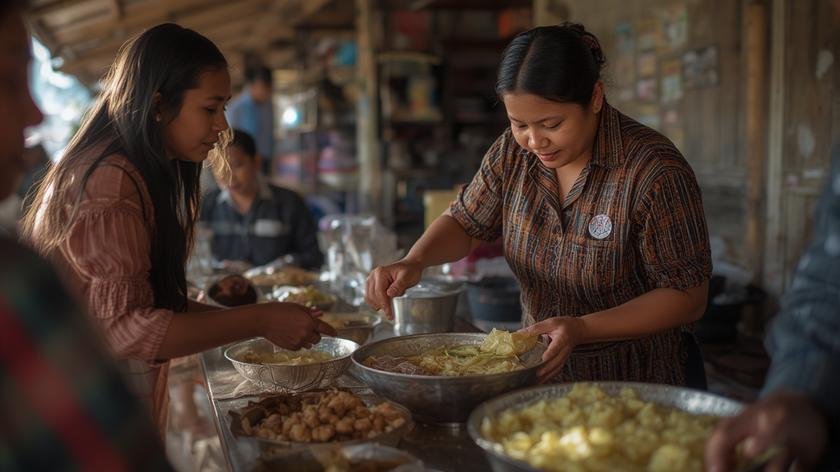
Creating a weekly menu centered on Bolivian fare can be both economical and nutritionally balanced. Below is a sample plan that rotates staple proteins and employs leftovers efficiently.
| Day | Breakfast | Lunch | Dinner |
|—–|———–|——-|——–|
| Monday | Quinoa porridge with panela (unrefined cane sugar) | Salteña (leftover) + fresh tomato salad | Pique Macho with rice |
| Tuesday | Sweet potato toast with cheese | Locro (bean & potato stew) | Sopa de Maní |
| Wednesday | Fresh fruit bowl with yogurt | Chicharrón (fried pork) + mote | Grilled trout with ají sauce |
| Thursday | Avena (oat) with cinnamon | Chicken empanadas | Chuño soup with beef strips |
| Friday | Humita (corn pudding) | Salteña (fresh) | Veal picante with roasted potatoes |
| Saturday | Bolivian-style scrambled eggs with chorizo | Picnic: cheese, plantain chips, and fresh fruit | Traditional BBQ (asado) |
| Sunday | Light quinoa salad with avocado | Leftover buffet (any remaining dishes) | Light vegetable stew with quinoa |
Key considerations:
– **Batch Cook**: Prepare chuño and mote in larger quantities early in the week.
– **Seasonal Adjustments**: Substitute seafood for beef in coastal areas.
– **Balance**: Pair protein‑rich meals with high‑fiber grains to mirror the traditional diet’s nutritional profile.
Implementing this structure ensures you experience a variety of flavors while minimizing waste—a principle deeply rooted in Bolivian culinary culture.
## Recipe Complexity vs. Time Investment
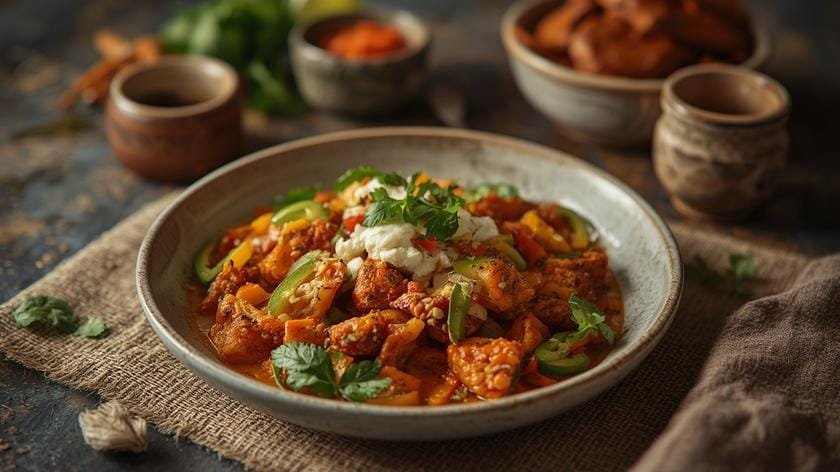
The table below helps home cooks decide which dishes to prioritize based on desired difficulty and available preparation time.
| Recipe | Complexity | Estimated Prep + Cook Time | Key Skill Required | Ideal For |
|---|---|---|---|---|
| Salteña | High | 1½–2 hours | Dough handling & sealing | Special occasions, skill building |
| Pique Macho | Medium | 45 minutes | Stir‑fry sequencing | Weeknight dinner |
| Sopa de Maní | Low | 30 minutes | Balancing broth thickness | Quick comfort meal |
| Locro (Bean & Potato Stew) | Medium | 1 hour | Slow simmering | Family gatherings |
| Humita (Corn Pudding) | Low | 25 minutes | Gentle stirring to avoid curdling | Snack or side |
Use this guide to align your cooking schedule with the level of involvement you desire. Even a “low” complexity dish like Sopa de Maní can deliver the depth of flavor typical of authentic bolivian food recipes when prepared with quality ingredients.
## Frequently Asked Questions
**What is the best substitute for chuño if unavailable?**
Use freeze‑dried potatoes rehydrated in warm water.
**Can I make salteñas ahead of time?**
Yes; bake, cool, then refrigerate up to 3 days.
**Is ají amarillo essential in every Bolivian dish?**
It’s common but optional; substitute with mild yellow chili.
**Are there vegetarian versions of traditional meals?**
Absolutely—swap meat with tofu, mushrooms, or extra beans.
**Where can I find authentic Bolivian spices online?**
Search for specialty Latin American spice shops.
## Conclusion and Final Takeaways
Bolivian gastronomy is a living archive of geography, history, and communal resilience. By incorporating the discussed ingredients, mastering fundamental techniques, and selecting recipes that match your kitchen’s capacity, you can authentically recreate the vivid flavors that have defined Andes cooking for centuries. The journey from grain to plate is as rewarding as the meals themselves, inviting you to experience not just a new cuisine but a cultural narrative.
For further exploration, you might consider reviewing additional resources such as the comprehensive search results for “Authentic Bolivian Food Recipes to Savor” on Google. Continue experimenting, share your successes, and contribute to the growing appreciation of this rich culinary heritage.