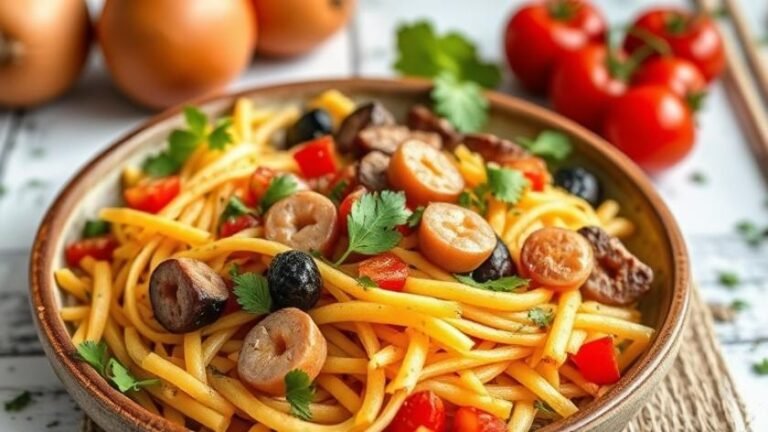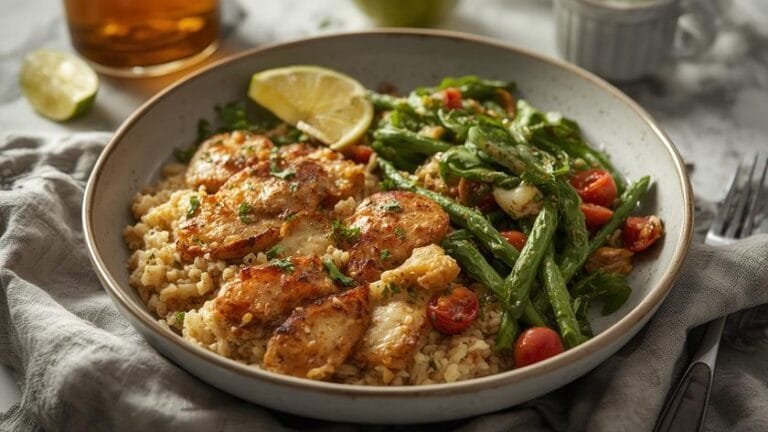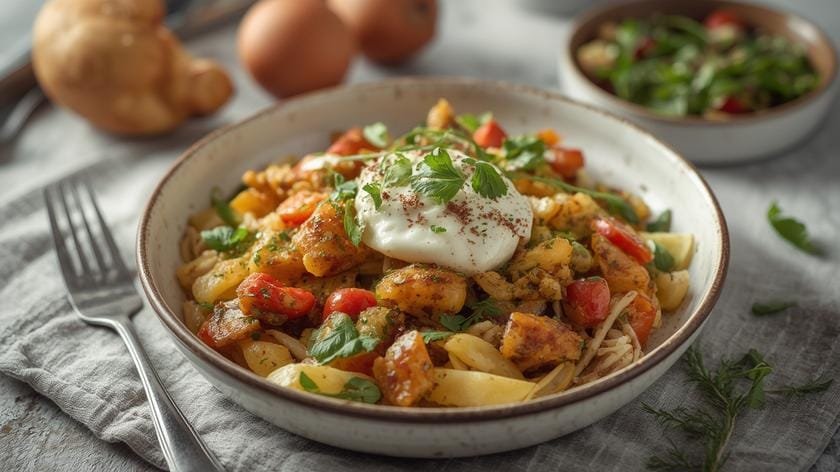
Balanced Diet Friendly Recipes for Healthy Eating
Adopting a sustainable eating pattern begins with understanding how each meal contributes to overall health. When you explore balanced diet friendly recipes, you discover a framework that blends macronutrients, micronutrients, and culinary enjoyment, turning everyday cooking into a strategic act of self‑care. This approach reduces reliance on processed shortcuts and encourages a deeper connection with whole foods, which is essential for long‑term vitality.
Thank you for reading this post, don't forget to subscribe!Beyond the science, the practical side of nutrition thrives on variety and convenience. By integrating thoughtful meal planning with flavorful dishes, you can maintain energy levels, support immune function, and enjoy the social aspects of dining without compromising your goals. The following guide walks you through the core concepts and provides actionable examples that make healthy eating both realistic and rewarding.
Table of Contents
- Simple balanced diet friendly recipes for Breakfast
- Incorporating healthy meal prep ideas for Busy Weeks
Understanding the Principles of a Balanced Diet
A balanced diet is not a static list but a dynamic set of guidelines that adapt to age, activity level, and health status. The cornerstone is proportionality: roughly 45‑65 % of daily calories should come from carbohydrates, 20‑35 % from fats, and 10‑35 % from protein. Micronutrients—vitamins and minerals—are supplied through a colorful variety of fruits, vegetables, legumes, nuts, and seeds. Hydration, too, plays a pivotal role; water supports digestion, nutrient transport, and thermoregulation.
Equally important is the timing of meals. Consuming a moderate amount of protein within the first two hours after exercise can enhance muscle repair, while a balanced breakfast stabilizes blood glucose and curbs mid‑morning cravings. Understanding these principles equips you to evaluate any recipe for its nutritional completeness before you even turn on the stove.
Core Food Groups and Portion Guidance
Portion control is best achieved by visual cues. A palm‑sized serving of lean protein, a fist‑sized portion of whole grains, and two cupped hands of non‑starchy vegetables create a plate that naturally aligns with dietary recommendations. Healthy fats—such as olive oil, avocado, or a handful of nuts—should occupy roughly the size of a thumb. When you master these visual ratios, you can apply them to any cuisine, ensuring that each dish remains nutritionally sound.
For those seeking deeper insight, review the nutrient timing guide that outlines optimal eating windows for energy balance and metabolic health. This resource complements the visual portion system and helps you fine‑tune intake based on personal schedules.
Simple balanced diet friendly recipes for Breakfast
Breakfast sets the metabolic tone for the day. A quick, nutrient‑dense option is a quinoa‑fruit bowl: cooked quinoa (a complete protein) topped with mixed berries, a drizzle of almond butter, and a sprinkle of chia seeds. This combination delivers complex carbs, healthy fats, and antioxidants within five minutes of preparation.
Another versatile choice is a vegetable‑rich omelet. Use two eggs, a handful of spinach, diced bell peppers, and a quarter cup of low‑fat cheese. Pair with a slice of whole‑grain toast for additional fiber. Both dishes can be scaled up for meal‑prep, allowing you to enjoy a balanced start without daily decision fatigue.
Lunch Options that Support Nutrient Diversity
A mid‑day meal should replenish glycogen stores while providing sustained satiety. Consider a Mediterranean grain bowl: farro or bulgur mixed with chickpeas, cherry tomatoes, cucumber, olives, and a lemon‑herb vinaigrette. The legumes supply protein and fiber, the whole grains offer steady energy release, and the vegetables contribute phytonutrients.
For a warm alternative, try a lentil‑sweet potato stew. Simmer red lentils with cubed sweet potatoes, carrots, onions, and low‑sodium vegetable broth. Finish with a pinch of cumin and fresh cilantro. This stew delivers a balanced mix of protein, complex carbs, and beta‑carotene, making it an ideal lunch for colder climates.
Dinner Dishes that Keep Calories in Check
Evening meals benefit from lighter carbohydrate loads and higher vegetable ratios. A grilled salmon fillet served over a bed of roasted Brussels sprouts, carrots, and a quinoa pilaf exemplifies this principle. The omega‑3 fatty acids in salmon support cardiovascular health, while the roasted vegetables add volume without excessive calories.
Vegetarian diners can enjoy a tofu‑stir‑fry with bok choy, snap peas, and bell peppers, seasoned with ginger, garlic, and low‑sodium soy sauce. Serve over cauliflower rice for a low‑carb alternative that still feels indulgent. Both recipes can be prepared in under 30 minutes, preserving nutrients and flavor.
Incorporating healthy meal prep ideas for Busy Weeks
Effective meal prep hinges on batch cooking and modular components. Start by roasting a tray of mixed vegetables—such as zucchini, carrots, and red onion—with olive oil and herbs. Store in airtight containers for up to four days. Simultaneously, cook a large pot of brown rice or barley, and portion out lean proteins like grilled chicken breast or baked tempeh.
When assembling meals, combine a protein source, a grain, and two vegetable servings. Add a simple sauce—like a tahini‑lemon drizzle—to keep flavors fresh throughout the week. By following this system, you embed healthy meal prep ideas into your routine without sacrificing variety or taste.

Comparison of Key Recipes
| Meal | Prep Time (min) | Calories per Serving | Protein (g) | Key Nutrient Highlights |
|---|---|---|---|---|
| Quinoa‑Fruit Breakfast Bowl | 5 | 320 | 12 | Fiber, Antioxidants, Omega‑3 (from chia) |
| Mediterranean Grain Bowl | 15 | 410 | 14 | Plant‑based protein, Healthy fats, Vitamin C |
| Grilled Salmon with Roasted Veggies | 30 | 480 | 35 | Omega‑3, Vitamin K, Selenium |
| Tofu Stir‑Fry with Cauliflower Rice | 25 | 350 | 18 | Isoflavones, Vitamin A, Low‑carb |
FAQ
What defines a balanced diet? A mix of carbs, proteins, fats, and micronutrients in appropriate ratios.
Can I use frozen vegetables? Yes, they retain nutrients and are convenient for prep.
How many meals per day are optimal? Three main meals with optional snacks based on activity.
Is portion control necessary? It helps manage calorie intake and nutrient balance.
Do I need supplements? Only if a deficiency is identified by a professional.
Conclusion and Final Takeaways
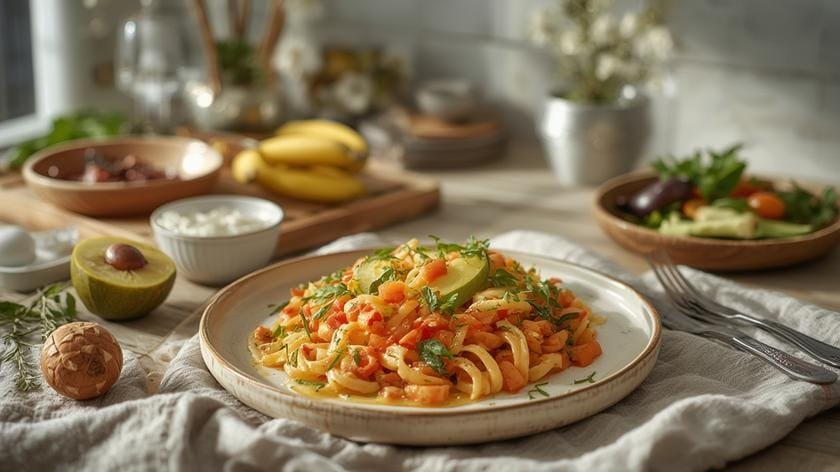
Building a repertoire of balanced diet friendly recipes empowers you to meet nutritional goals without sacrificing flavor or convenience. By mastering core food groups, mastering portion visuals, and integrating strategic healthy meal prep ideas, you create a sustainable eating pattern that adapts to life’s demands. Consistency, variety, and mindful preparation are the pillars that transform occasional healthy choices into lasting habits.
Ready to deepen your knowledge? Explore additional resources through this Google search and continue refining your culinary toolkit.