Baltic Travel Destinations You Need to Visit
Baltic travel destinations have long captivated curious explorers seeking a blend of medieval charm, unspoiled nature, and vibrant contemporary culture. Nestled between Scandinavia and Eastern Europe, this region offers a compact yet diverse tapestry of experiences, from cobblestone streets lined with gothic spires to tranquil islands where the Baltic Sea laps against sandy dunes. Because the area is relatively under‑the‑radar compared with Western Europe, visitors often enjoy fewer crowds and more authentic interactions with locals.
Thank you for reading this post, don't forget to subscribe!In planning a trip, it helps to understand how each country contributes its unique flavor to the overall adventure. Whether you are drawn to the digital‑forward capital of Estonia, the art‑laden seaside towns of Latvia, or the historic hill forts of Lithuania, the itinerary can be seamlessly woven together for a rewarding journey through the heart of the Baltic. Baltic travel destinations offer both convenience and depth, making them an ideal focus for a multi‑country escape.
## Table of Contents
– Why the Baltic Is a Hidden Gem
– Estonia’s Must‑See Highlights
– Latvia’s Coastal Charms
– Lithuania’s Medieval Capitals
– Practical Travel Tips
– Comparison of Top Destinations
– Frequently Asked Questions
– Conclusion and Final Takeaways
## Why the Baltic Is a Hidden Gem {#why-the-baltic-is-a-hidden-gem}
The Baltic region benefits from compact geography: a traveler can cross from one capital to another in a few hours by bus, train, or short flight. This proximity reduces transit costs and frees up time for immersive sightseeing. Moreover, each nation conserves a distinct linguistic and culinary heritage, offering a mosaic of flavors—from smoked fish and rye bread in Estonia to amber‑infused desserts in Latvia and dill‑laden soups in Lithuania.
Sustainability also plays a central role here. Many towns prioritize eco‑tourism, cycling infrastructure, and protected natural reserves, allowing visitors to explore with a lighter footprint. The combination of accessibility, cultural richness, and environmental stewardship makes the area a compelling case study for responsible travel.
## Estonia’s Must‑See Highlights {#estonia-must-see-highlights}
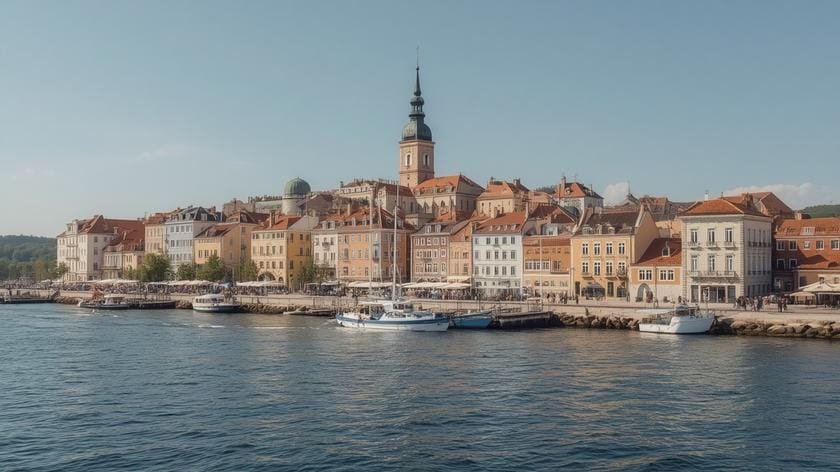
Estonia stands out for its digital innovation and well‑preserved medieval architecture. The capital, Tallinn, boasts a UNESCO‑listed Old Town where cobblestone alleys wind past churches, guild houses, and fortified walls. Don’t miss the panoramic view from Toompea Hill, which frames the city’s red‑brick skyline against the shimmering Gulf of Finland.
Beyond the capital, consider the island of Saaremaa, an unhurried paradise of windmills, limestone cliffs, and historic manor houses. Nature lovers will appreciate the Lahemaa National Park, where pristine forests give way to bogs and tranquil seaside villages. For those intrigued by Estonia tourism, the country also offers e‑residency programs and a thriving start‑up scene, giving a glimpse into how tradition and technology coexist.
## Latvia’s Coastal Charms {#latvia-coastal-charms}
Latvia’s coastline stretches over 500 km, providing a variety of beach experiences, from lively resorts to secluded coves. The city of Riga, the largest in the Baltics, blends Art Nouveau elegance with a bustling market scene. Its central market, housed in converted Zeppelin hangars, offers fresh produce, local cheeses, and handcrafted souvenirs.
A short drive north leads to the seaside town of Jurmala, famed for its wooden villas and therapeutic mud baths. Further west, the historic town of Kuldiga invites visitors to wander beneath the picturesque “Waterfall” (Ventas Rumba) that cascades over a cobblestone bridge. These locales illustrate how Latvia marries maritime leisure with cultural depth.
## Lithuania’s Medieval Capitals {#lithuania-medieval-capitals}
Lithuania anchors the Baltic narrative with its deep historical roots. Vilnius, the capital, features a baroque old town that rivals any European counterpart in artistic density. The city’s bohemian district, Užupis, declares itself an independent republic, complete with its own constitution displayed on a wall.
Klaipėda, Lithuania’s primary port, presents a distinctive German‑influenced architecture and a lively festival calendar celebrating the sea. In the interior, the hill‑fort town of Trakai offers a fairy‑tale castle perched on an island in Lake Galvė. These sites exemplify the nation’s ability to fuse natural beauty with a storied past.
## Practical Travel Tips {#practical-travel-tips}
– **Visa Requirements:** Most EU citizens can travel visa‑free; non‑EU travelers should verify Schengen eligibility, as Estonia, Latvia, and Lithuania are part of the Schengen Area.
– **Currency:** Estonia uses the euro; Latvia and Lithuania adopted the euro in 2014, simplifying transactions across borders.
– **Transport:** Regional buses (Lux Express, Ecolines) provide comfortable, hourly connections between capitals. Rail services are reliable, with modern trains linking major cities in under four hours.
– **Seasonality:** Summer (June‑August) offers long daylight hours and vibrant festivals. Autumn provides crisp weather and fewer tourists, ideal for hiking in national parks. Winter reveals a magical snow‑covered landscape, perfect for Baltic Christmas markets.
– **Language:** While Estonian, Latvian, and Lithuanian are official languages, English is widely spoken in tourism hubs, facilitating navigation for first‑time visitors.
For a side‑by‑side look at the most popular spots, explore the comparison table below, which distills key factors such as cost, climate, and cultural highlights.
## Comparison of Top Destinations {#comparison-of-top-destinations}
| Criterion | Estonia (Tallinn) | Latvia (Riga) | Lithuania (Vilnius) |
|---|---|---|---|
| Average Daily Budget (USD) | 80‑110 | 70‑100 | 65‑95 |
| Peak Tourist Season | June‑August | July‑September | June‑July |
| Top Cultural Highlight | Old Town & Digital Society | Art Nouveau & Central Market | Baroque Old Town & Užupis |
| Best Nature Excursion | Lahemaa National Park | Gauja National Park | Aukštaitija Lakes Region |
| Ease of English Communication | High | High | Moderate‑High |
## Frequently Asked Questions {#faq}
**What is the best time to visit for mild weather?**
Late May to early June offers pleasant temperatures and fewer crowds.
**Do I need a car to explore the Baltic countries?**
Public transport is efficient; a car is optional for remote nature spots.
**Are credit cards widely accepted?**
Yes, especially in cities and tourist areas.
**Is the Baltic region safe for solo travelers?**
Crime rates are low; solo travel is generally safe.
**Can I travel between the three capitals in one day?**
Yes, high‑speed buses connect them within 4‑5 hours.
For more insights, you can also search the article title online to see how other travelers plan their itineraries.

## Conclusion and Final Takeaways {#conclusion}
Exploring the Baltic region reveals a compact yet richly layered travel landscape. From the tech‑savvy streets of Baltic travel destinations to the time‑worn towers of medieval towns, each stop adds a distinctive chapter to the journey. By aligning your itinerary with seasonal advantages, leveraging reliable transport, and respecting local customs, you can craft a seamless, memorable adventure.
Whether your interest lies in heritage architecture, pristine coastlines, or emerging culinary scenes, the three countries collectively offer a balanced portfolio of experiences. Embrace the region’s blend of old and new, and you’ll leave with a deeper appreciation for a part of Europe that continues to evolve while honoring its storied past.
Feel encouraged to review your plans, refine your route, and set out with confidence—your next unforgettable Baltic escapade awaits.