Best Way to Clean Microwave for a Sparkling Finish
Keeping a microwave in pristine condition not only preserves its appearance but also prevents unwanted odors and potential health hazards. Discovering the best way to clean microwave can turn a routine chore into a quick, satisfying task that extends the lifespan of this everyday appliance.
Thank you for reading this post, don't forget to subscribe!When tackling kitchen maintenance, safety should never be an afterthought. Understanding how to clean microwave safely ensures you avoid harmful fumes, damaged interior surfaces, and unnecessary wear on the device.
Table of Contents
- Understanding Microwave Dirt and Odor Build‑Up
- Simple Household Solutions for a Spotless Interior
- Step‑by‑Step Guide to the best way to clean microwave
- Deep‑Cleaning Techniques for Stubborn Stains
- Choosing the Right Cleaning Tools and Products
- Maintenance Routine to Keep Your Microwave Fresh
- Comparison of Common Cleaning Methods
- Frequently Asked Questions
- Final Takeaways
Understanding Microwave Dirt and Odor Build‑Up
Microwaves trap food splatters, steam, and grease in a confined space. Over time these residues caramelize, creating a layer of stubborn grime that is difficult to remove with a dry cloth. Additionally, the enclosed environment traps volatile compounds that turn into unpleasant odors. Recognizing the difference between surface splatter and deeper carbonized buildup helps you choose the most effective cleaning approach.
Simple Household Solutions for a Spotless Interior
Most kitchens already contain the ingredients needed for an efficient clean‑up. Below are three tried‑and‑true mixtures that work without harsh chemicals:
- Vinegar & Water Steam – Combine equal parts white vinegar and water in a microwave‑safe bowl, heat for 3‑5 minutes, then wipe.
- Lemon Power – Slice a lemon, squeeze the juice into a bowl of water, add the halves, heat for 2‑3 minutes; the citrus steam loosens grime.
- Baking Soda Paste – Mix baking soda with a few drops of water to form a paste, apply to stubborn spots, let sit for 10 minutes, then scrub gently.
These solutions are not only inexpensive but also align with how to clean microwave safely, minimizing the risk of chemical residues.
Step‑by‑Step Guide to the best way to clean microwave
Follow this structured process for a consistently sparkling finish:
- Preparation – Remove the turntable and any removable accessories. Place them in warm, soapy water while you work on the interior.
- Steam Treatment – Fill a 1‑liter microwave‑safe bowl with 250 ml of water and 250 ml of white vinegar. Heat on high for 4 minutes; the solution will boil and create steam that loosens dried food particles.
- Cooling Phase – Allow the steam to sit for an additional 2 minutes. This step prevents burns and gives the solution time to penetrate stubborn spots.
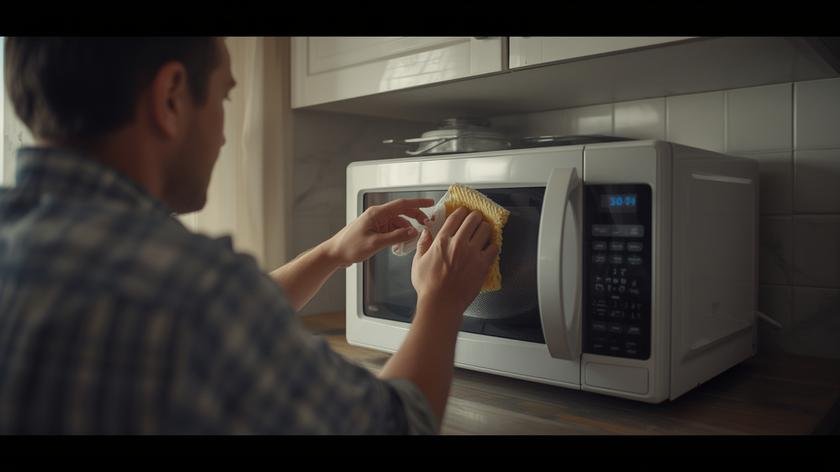
- Wipe Down – Using a soft, damp microfiber cloth, wipe the interior from top to bottom. For corners, a silicone spatula can gently lift residue without scratching the surface.
- Turntable Cleaning – Scrub the turntable with warm, soapy water, rinse, and dry thoroughly before replacing it.
- Final Rinse – Dip a clean cloth in plain water, wipe any remaining vinegar traces, then dry with a lint‑free towel.
Completing these six steps provides the best way to clean microwave using everyday items while preserving manufacturer warranties.
Deep‑Cleaning Techniques for Stubborn Stains
When everyday steam isn’t enough, consider these targeted methods:
- Acidic Boost – Add a tablespoon of lemon juice to the vinegar‑water steam mixture. The extra acidity helps dissolve burnt‑on sugar.
- Enzymatic Cleaner – Commercial enzymatic cleaners break down protein‑based stains (e.g., milk spills). Apply according to the product’s directions, let sit, then wipe.
- Scraping with Care – For extremely tenacious grime, use a plastic putty knife at a shallow angle. Avoid metal tools that could gouge the coating.
Regardless of the method, always finish with a thorough water wipe to avoid lingering tastes.
Choosing the Right Cleaning Tools and Products
Tool selection influences both effectiveness and longevity of the appliance:
| Tool | Ideal Use | Pros | Cons |
|---|---|---|---|
| Microfiber Cloth | General wiping | Lint‑free, absorbent | Needs washing after heavy use |
| Silicone Spatula | Edge cleaning | Non‑abrasive, flexible | May miss tight corners |
| Plastic Putty Knife | Heavy residue removal | Sturdy, safe on enamel | Can chip if forced |
| Enzymatic Cleaner | Protein‑based stains | Fast‑acting | Higher cost |
Pair a microfiber cloth with a silicone spatula for everyday maintenance, reserving the putty knife for occasional deep cleans.
Maintenance Routine to Keep Your Microwave Fresh
Preventive care reduces the frequency of intensive cleaning. Adopt these simple habits:
- Cover dishes with microwave‑safe lids or paper towels to contain splatters.
- Wipe the interior with a damp cloth after each use if food has spilled.
- Run a 1‑minute steam cycle with water weekly to loosen any developing buildup.
- Inspect the door seal for food particles; a clean seal ensures efficient heating.
Incorporating these steps into your weekly kitchen schedule ensures that you rarely need to resort to the comprehensive best way to clean microwave process.
Comparison of Common Cleaning Methods
| Method | Ingredients | Time Required | Effectiveness | Safety Rating |
|---|---|---|---|---|
| Vinegar Steam | White vinegar + water | 6 min | High for grease | ★★★★★ |
| Lemon Steam | Lemon juice + water | 5 min | Medium; adds fresh scent | ★★★★★ |
| Baking Soda Paste | Baking soda + water | 15 min (incl. dwell) | High for burnt spots | ★★★★☆ |
| Commercial Enzymatic Cleaner | Manufacturer‑specific | 10 min | Very high for protein stains | ★★★☆☆ |
Frequently Asked Questions
- Can I use bleach inside the microwave? No; it can corrode interior surfaces.
- Is it safe to clean the microwave while it’s plugged in? Yes, as long as the door is open and you’re not using the appliance.
- How often should I perform a deep clean? Every 1‑2 months, or when you notice stubborn residue.
- Will vinegar damage the turntable? No; vinegar is food‑grade and safe for glass or plastic trays.
- Can I use a dishwasher for the turntable? Absolutely; most turntables are dishwasher‑safe.
Conclusion and Final Takeaways
The best way to clean microwave blends inexpensive household ingredients with a systematic steam‑and‑wipe routine. By following the step‑by‑step guide, selecting appropriate tools, and embedding a light maintenance habit, you’ll keep your microwave odor‑free, efficient, and visually pristine for years to come.
Ready to make cleaning a breeze? Explore more microwave cleaning routine tips within this guide, and consider checking additional resources such as this Google search for complementary ideas.