Central America Travel Destinations to Explore
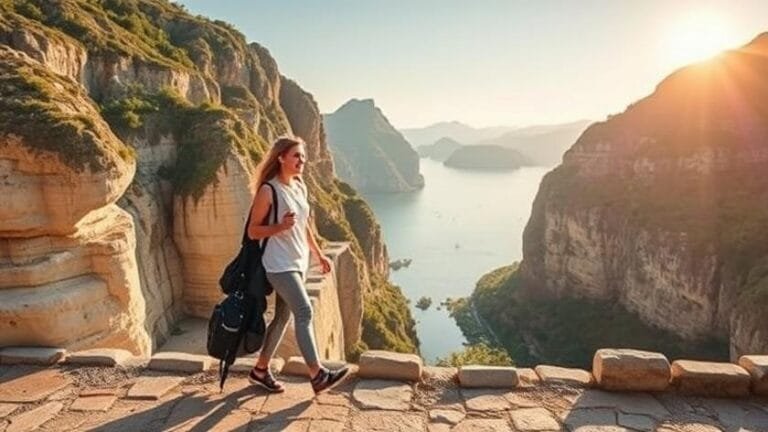
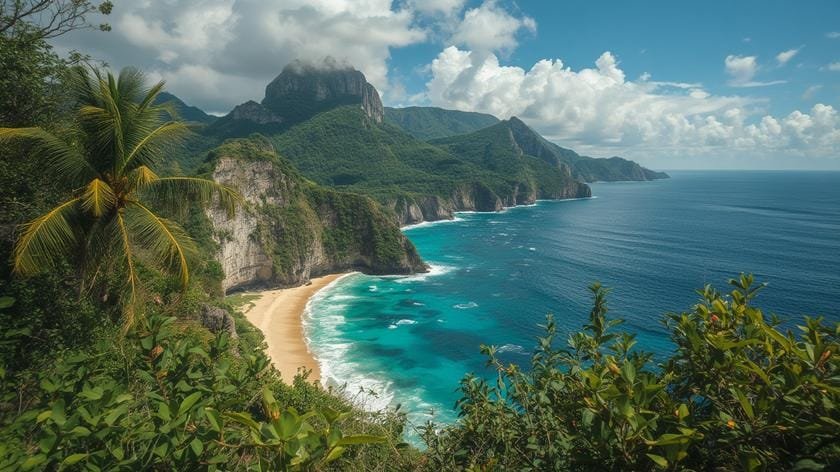
Travelers seeking a blend of lush rainforests, ancient ruins, and vibrant cultures often turn their compass toward Central America travel destinations. The region’s compact geography makes it possible to experience a remarkable variety of landscapes—from volcanic highlands and pristine beaches to bustling colonial towns—within a single trip, and its relatively short flight times from North America add to its appeal.
Thank you for reading this post, don't forget to subscribe!Beyond the postcard‑perfect scenery, the allure of Central America travel destinations lies in the authenticity of each country’s heritage, the warmth of its people, and the growing emphasis on sustainable tourism. Whether you are a first‑time explorer or a seasoned adventurer, the corridor offers routes that cater to eco‑travellers, history buffs, and surf enthusiasts alike, all while supporting local economies and preserving natural wonders for future generations.
Table of Contents
- Why Visit Central America
- Top Countries and Their Highlights
- Must‑See Destinations in Guatemala
- Exploring Belize’s Natural Wonders
- Adventure in Honduras
- Cultural Riches of El Salvador
- Panama: The Gateway to the Pacific
- Practical Planning Tips
Why Visit Central America
The region sits on a tectonic crossroads, resulting in dramatic topography that supports unparalleled biodiversity. From the mist‑enshrouded cloud forests of Monteverde to the sapphire‑blue waters of the Mesoamerican Barrier Reef, nature lovers find sanctuary in ecosystems that are both fragile and spectacular. Moreover, the shared Spanish colonial legacy, interwoven with indigenous traditions, creates a cultural mosaic that is uniquely its own.
Economic growth across the area has sparked a wave of responsible tourism initiatives. Visitors are encouraged to stay in community‑run lodges, participate in voluntourism projects, and purchase locally crafted goods. These practices not only enrich the travel experience but also amplify the positive impact on conservation and cultural preservation.
Top Countries and Their Highlights
Each nation contributes distinct attractions that collectively define Central America travel destinations. Below is a snapshot of what makes every country a worthwhile stop:
- Guatemala – Majestic volcanoes, the iconic Lake Atitlán, and the ancient Maya city of Tikal.
- Belize – World‑renowned barrier reef, secluded cayes, and vibrant Mayan ruins such as Caracol.
- Honduras – The biodiverse Mosquitia rainforest, Copán’s elaborate stelae, and surf‑friendly Bay Islands.
- El Salvador – Volcano‑ringed towns, surf hotspots like El Tunco, and colorful colonial architecture.
- Panama – The engineering marvel of the Panama Canal, lush Darién Gap, and the cosmopolitan capital, Panama City.
While each country shines on its own, they also complement one another, allowing travelers to craft itineraries that flow seamlessly from highland trekking to beach relaxation.
Must‑See Destinations in Guatemala
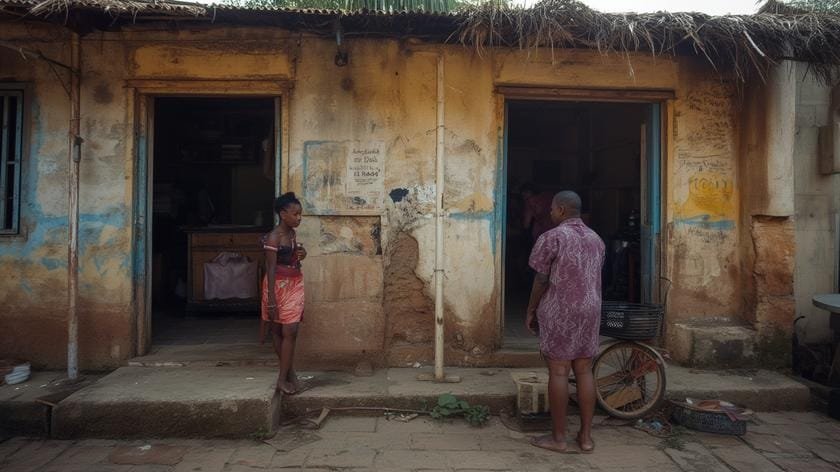
Antigua Guatemala is a UNESCO World Heritage site whose cobblestone streets and baroque churches echo centuries of Spanish influence. The city’s weekly market offers a kaleidoscope of textiles, ceramics, and freshly roasted coffee, perfect for immersing yourself in local artisan culture.
The Lake Atitlán region, surrounded by three volcanoes—Tolimán, Atitlán, and San Pedro—provides a tranquil backdrop for kayaking, hiking, and village hopping. Each lakeside pueblo, such as San Juan la Laguna, maintains its own distinct traditions, from weaving to traditional medicine.
No visit to Guatemala is complete without exploring the Maya ruins of Tikal. Deep within the Petén rainforest, towering pyramids rise above a canopy teeming with howler monkeys and vibrant toucans, offering a profound sense of historical magnitude.
Exploring Belize’s Natural Wonders
Belize boasts the second‑largest barrier reef in the world, making it a prime destination for snorkeling and scuba diving. The Great Blue Hole, a mystical sinkhole over 300 meters wide, attracts divers worldwide seeking its crystal‑clear depths and towering stalactites.
For those preferring land‑based adventures, the Actun Tunichil Muknal (ATM) Cave presents an archaeological treasure trove filled with Maya artifacts and ancient skeletal remains, all set within a surreal subterranean river system.
Belize’s commitment to eco‑tourism is evident in its numerous community‑led conservation projects. Guests can join sea‑turtle nesting patrols or partake in mangrove restoration initiatives, aligning personal travel goals with environmental stewardship.
Adventure in Honduras
The Copán Ruins stand as one of the most elaborate Maya sites, celebrated for its intricate stelae, hieroglyphic stairways, and the iconic Hieroglyphic Staircase. Guided tours illuminate the scientific and artistic achievements of the ancient civilization.
Off the mainland, the Bay Islands—Roatán, Utila, and Guanaja—offer world‑class diving with vibrant coral gardens, as well as relaxed island vibes perfect for unwinding after a day of underwater exploration.
Nature enthusiasts can venture into the Mosquitia rainforest, a remote region where waterfalls cascade into crystal lagoons and the elusive jaguar roams unseen. Sustainable lodges here prioritize low‑impact travel, ensuring the preservation of this pristine ecosystem.
Cultural Riches of El Salvador
El Salvador, though the smallest Central American nation, packs a punch with its volcanic ring and rich artistic scene. The Santa Ana Cathedral and the historic Teatro Nacional showcase the country’s neoclassical charm, while contemporary galleries promote local street art.
Surf culture thrives along the Pacific coast, with beaches such as El Tunco and Sunset Bay drawing surfers of all skill levels. The rhythm of surf and sunrise creates a lifestyle that melds adventure with relaxation.
Beyond waves, the archaeological site of Joya de Cerén, often called the “Pompeii of the Americas,” provides a rare glimpse into daily life of a Maya farming village frozen in volcanic ash.
Panama: The Gateway to the Pacific
Panama’s global significance is anchored by the Panama Canal, a marvel of engineering that links the Atlantic and Pacific Oceans. Guided tours of the Miraflores Locks reveal the intricate process of ship transit and the canal’s profound economic impact.
Nature lovers find solace in the Darién Gap, a sprawling wilderness that remains one of the world’s most biodiverse yet untouched regions. Hiking the Sendero Los Quetzales trail offers sightings of the endangered Resplendent Quetzal and a chance to traverse cloud forests.
City‑dwelling travelers can explore the historic Casco Viejo district, where colonial architecture intermingles with modern cafés and rooftop bars, illustrating Panama’s blend of old and new.
Practical Planning Tips
Creating a cohesive itinerary across multiple countries demands careful coordination. Here are actionable steps to streamline your journey:
- Visa & Entry Requirements – Most travelers can enter with a passport valid for at least six months. Verify each nation’s visa policy and any COVID‑19 health documentation.
- Regional Transportation – Budget airlines like Volaris, Copa, and Avianca offer affordable inter‑country flights. For ground travel, consider reputable shuttle services or rent a 4×4 if venturing into highland areas.
- Currency Management – The US dollar is widely accepted in Panama, while the other nations use the local colón, lempira, or dollar equivalents. Carry a mix of cash and cards; ATMs are plentiful in urban centers.
- Safety Precautions – Stay informed about current travel advisories, keep valuables secure, and prefer well‑lit, populated areas after dark.
- Responsible Packing – Pack lightweight, breathable clothing, reef‑safe sunscreen, reusable water bottles, and a sturdy pair of hiking boots for varied terrain.
For deeper insights into structuring a multi‑country itinerary, learn more about planning your Central American adventure and discover tools that help synchronize flights, accommodations, and activities.
Comparison of Key Features
| Country | Top Natural Attraction | Signature Cultural Site | Best Travel Season | Eco‑Tourism Rating (1‑5) |
|---|---|---|---|---|
| Guatemala | Lake Atitlán | Tikal Ruins | Nov‑Apr (dry) | 5 |
| Belize | Great Blue Hole | ATM Cave | Dec‑Mar (dry) | 4 |
| Honduras | Copán Ruins | Bay Islands | Nov‑Apr (dry) | 4 |
| El Salvador | Santa Ana Volcano | Joya de Cerén | Nov‑Mar (dry) | 3 |
| Panama | Darién Gap | Panama Canal | Dec‑Apr (dry) | 5 |
FAQ
- Which Central American country is safest for solo travelers? Costa Rica and Panama are often highlighted for strong tourism infrastructure.
- Do I need a visa to visit multiple countries? Most tourists enjoy visa‑free access for short stays across the region.
- Is English widely spoken? Spanish dominates, but tourism hubs frequently have English‑speaking staff.
- What is the best time for wildlife spotting? The dry season (Nov‑Apr) offers clearer trails and abundant sightings.
- Can I use the same SIM card in all countries? Regional SIMs are available, but a dual‑SIM phone provides flexibility.
Conclusion and Final Takeaways
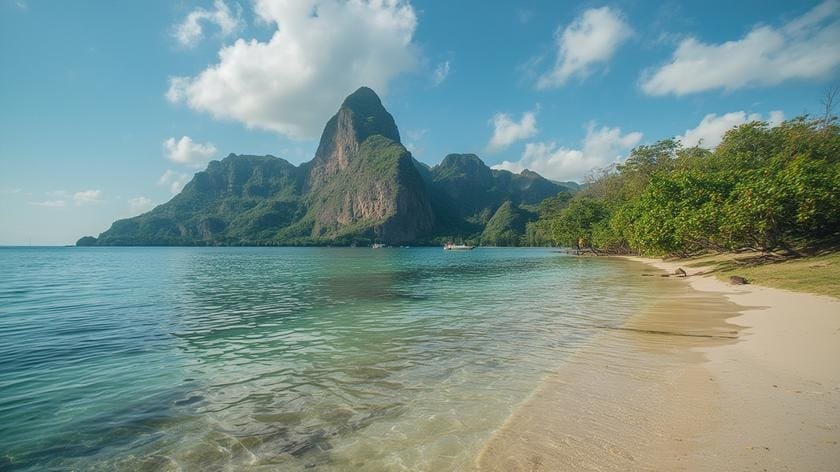
Exploring Central America travel destinations offers a rewarding blend of adventure, cultural immersion, and environmental responsibility. From the soaring volcanoes of Guatemala to the vibrant marine ecosystems of Belize, each stop enriches the traveler’s perspective while supporting local stewardship. By planning thoughtfully, respecting community guidelines, and embracing sustainable practices, visitors contribute to the lasting vitality of these remarkable lands.
As you chart your next journey, consider how your itinerary can weave together the distinct yet complementary experiences that define the region. Whether you’re drawn to ancient Maya mysteries, world‑class surf breaks, or the engineering wonder of the Panama Canal, the heart of Central America awaits with open arms and endless discovery.
For further reading on this topic, you may want to search the article title online and explore additional resources that complement the insights shared here.