Chinese Horoscope for Beginners: A Comprehensive Astrology Guide
Embarking on the journey of Eastern astrology can feel both intriguing and overwhelming, especially when you’re just starting out. This chinese horoscope for beginners astrology guide is crafted to demystify the core concepts, offering clear explanations that empower newcomers to explore their personal forecasts without getting lost in esoteric jargon.
Thank you for reading this post, don't forget to subscribe!From understanding the cyclical nature of the lunar calendar to interpreting the subtle influences of elemental energies, the guide walks you through each step methodically. By the end, you’ll not only grasp the basics of your own chart but also feel confident applying the insights to everyday decisions.
Table of Contents
- Understanding the Fundamentals of Chinese Astrology
- The Twelve Animal Signs Explained
- How to Determine Your Chinese Zodiac Sign
- Interpreting Yearly Forecasts for Beginners
- Integrating Elements and Compatibility
- Practical Steps to Use Your Horoscope Daily
- Comparison Table: Traditional vs. Modern Approaches
- FAQ
- Conclusion and Final Takeaways
Understanding the Fundamentals of Chinese Astrology
Chinese astrology is rooted in a 60‑year cycle that blends twelve animal symbols with the five fundamental elements—Wood, Fire, Earth, Metal, and Water. Each year in the cycle is assigned a unique combination, creating a layered system where personality traits, life patterns, and compatibility can be inferred. The philosophy emphasizes harmony between the cosmos and human experience, encouraging individuals to align their actions with the natural rhythms that govern luck, health, and relationships.
For beginners, grasping the interaction between the animal sign and its governing element is the cornerstone of accurate interpretation. The animal provides a broad archetype—such as the resilient Rat or the steady Ox—while the element refines it, adding nuances like the impulsive nature of a Fire Rat or the methodical approach of a Metal Ox. This dual‑layered framework is what makes Chinese astrology both rich and accessible once the basic structure is internalized.
The Twelve Animal Signs Explained
The twelve animal symbols rotate annually, each imparting distinctive qualities that influence the birth year’s native tendencies. Below is a concise overview of each sign:
- Rat: Intelligent, adaptable, and resourceful.
- Ox: Dependable, diligent, and patient.
- Tiger: Courageous, enthusiastic, and charismatic.
- Rabbit: Gentle, compassionate, and artistic.
- Dragon: Ambitious, confident, and charismatic.
- Snake: Wise, intuitive, and enigmatic.
- Horse: Energetic, independent, and free‑spirited.
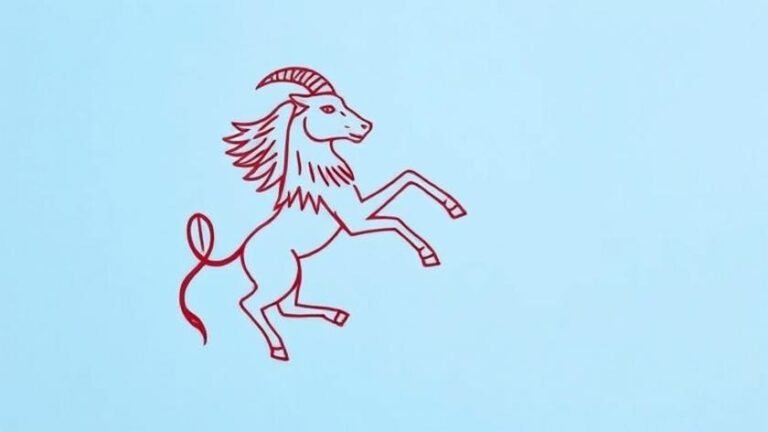
- Goat: Creative, empathetic, and modest.
- Monkey: Curious, playful, and inventive.
- Rooster: Observant, courageous, and meticulous.
- Dog: Loyal, honest, and protective.
- Pig: Generous, sincere, and diligent.
These Chinese Zodiac Signs form the backbone of every horoscope reading, serving as the first lens through which you view personality, career prospects, and relational dynamics. Understanding each animal’s core attributes enables you to quickly recognize patterns when you later examine a full natal chart.
How to Determine Your Chinese Zodiac Sign
Identifying your animal sign is straightforward once you know the lunar calendar dates for each year. Unlike the Gregorian calendar, which begins on January 1st, the Chinese lunar year usually starts between late January and mid‑February. To pinpoint your sign:
- Locate the exact Chinese New Year date for your birth year using a reliable lunar calendar reference.
- If your birthday falls before that date, assign yourself the animal of the preceding year; otherwise, use the animal of the current lunar year.
- Cross‑reference the year with the five‑element cycle to determine the element attached to your sign.
For example, someone born on February 5, 1990, falls after the Chinese New Year that year (January 27, 1990), making the individual a Metal Horse. This simple calculation lays the foundation for deeper chart analysis.
Explore more detailed calculations in this section.
Interpreting Yearly Forecasts for Beginners
Yearly forecasts align the reigning year’s animal and element with the person’s natal sign, revealing periods of harmony (called “Tai Sui harmony”) and potential conflict (“Tai Sui clash”). When the governing elements match, you can expect smoother progress in career and relationships. Conversely, clashing elements may signal the need for extra caution, especially in financial decisions.
Begin by comparing the year’s animal to your own. If they are directly opposite (e.g., Rat vs. Horse) or form a “triangle” relationship, the forecast indicates heightened challenges. In such years, traditional remedies—like wearing specific colors or carrying protective talismans—are often suggested to mitigate adverse effects.
Integrating Elements and Compatibility
Beyond animal pairings, the five elements create a secondary compatibility matrix. Each element supports or controls another in a cyclic order: Wood fuels Fire, Fire creates Earth, Earth bears Metal, Metal collects Water, and Water nourishes Wood. Understanding where your element sits in this cycle helps you navigate interpersonal dynamics.
For instance, a Fire Tiger will thrive alongside a Wood Rabbit (Wood fuels Fire) but may encounter friction with a Water Pig (Water extinguishes Fire). Incorporating both animal and element analysis yields a more nuanced perspective, allowing you to tailor strategies for personal growth, partnership, and conflict resolution.
Read about applying these principles in daily life.
Practical Steps to Use Your Horoscope Daily
Integrating Chinese astrological insights into daily routines need not be esoteric. Start with these actionable steps:
- Morning Alignment: Review the day’s elemental influence; perform a brief meditation focusing on the corresponding color (e.g., red for Fire).
- Decision Timing: Schedule important meetings during periods of elemental harmony; postpone high‑risk choices when your sign clashes with the day’s animal.
- Physical Tokens: Carry a small charm representing your element (e.g., a wooden pendant for Wood) to reinforce positive energy.
- Reflective Journaling: At day’s end, note any coincidences of success or difficulty linked to the astrological guidance you followed.
By consistently applying these practices, you’ll develop an intuitive sense of how the cosmic rhythm interacts with your personal flow, turning abstract theory into tangible benefit.
Comparison Table: Traditional vs. Modern Approaches
| Aspect | Traditional Chinese Astrology | Modern Interpretative Tools |
|---|---|---|
| Source Material | Classical texts, imperial records, oral tradition | Software algorithms, online databases |
| Calculation Method | Manual lunar calendar conversion | Automated birth‑date input, instant results |
| Depth of Analysis | Emphasis on elemental cycles & eight‑char fate | Inclusion of psychological profiling, statistical trends |
| Accessibility | Requires scholarly guidance | User‑friendly apps, multilingual support |
| Practical Use | Rituals, feng shui, ancestral recommendations | Career coaching, personal development plans |
This table highlights how longstanding wisdom blends with contemporary technology, offering beginners a range of entry points depending on preference and comfort level.
FAQ
- What year does the Chinese zodiac cycle start? It begins with the Rat and repeats every 12 years.
- Can two people share the same sign but differ in element? Yes; the element creates distinct sub‑profiles.
- Do I need a Chinese calendar to find my sign? A reliable online converter is sufficient for most users.
- Is Chinese astrology predictive or advisory? Primarily advisory, emphasizing harmony with natural cycles.
- How often should I revisit my horoscope? Monthly reviews align well with shifting lunar influences.

Conclusion and Final Takeaways
The chinese horoscope for beginners astrology guide equips newcomers with a clear roadmap: understand the twelve animal archetypes, recognize the impact of elemental cycles, and apply simple daily practices to harmonize with the prevailing cosmic rhythm. By grounding your exploration in both traditional wisdom and modern tools, you’ll build confidence in interpreting forecasts and making informed choices.
As you continue your study, remember that the ultimate aim of Chinese astrology is to foster balance—inside yourself and with the world around you. Use the insights gained here as a compass rather than an absolute decree, and you’ll find the discipline both enriching and empowering.
Google search for additional resources, and feel free to revisit this guide as you deepen your practice.