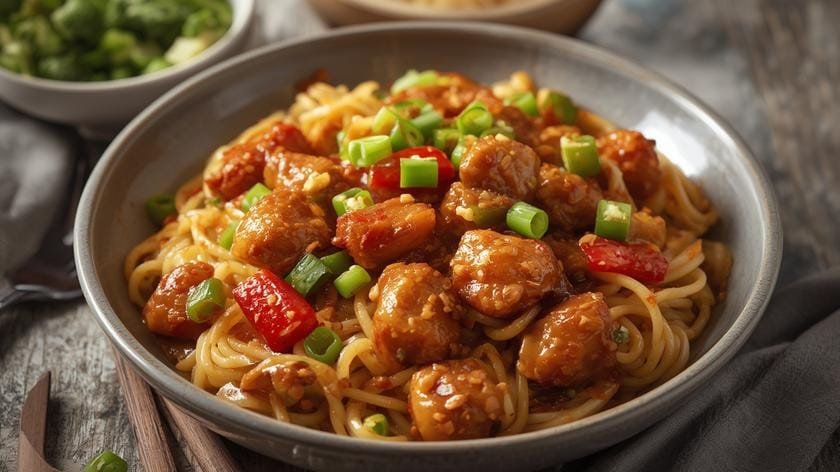
Chinese Takeout Style Recipes at Home
The modern kitchen is a perfect playground for recreating the bold, comforting dishes that line the windows of neighborhood eateries. By mastering a handful of foundational sauces, mastering the wok’s heat, and understanding the balance of sweet, salty, sour, and umami, home cooks can demystify the process behind beloved takeout meals. This guide walks you through every step, from pantry stocking to plating, so you can serve restaurant‑quality plates without leaving the house.
Thank you for reading this post, don't forget to subscribe!Beyond the basics, the article delves into how to adapt classic menus for dietary preferences, seasonal produce, and time‑crunched evenings. The result is a reliable framework that empowers you to experiment confidently while staying true to the flavors that make Chinese takeout style recipes instantly recognizable and endlessly satisfying.
## Table of Contents
– Stock Your Pantry
– Master the Wok
– Key Techniques for Chinese takeout style recipes
– Balancing Flavors in Chinese takeout style recipes
– Menu Planning & Adaptations
– Comparison Table: Takeout vs. Home‑Cooked
– FAQ
– Conclusion and Final Takeaways
### Stock Your Pantry
A well‑supplied pantry is the cornerstone of reliable Chinese takeout style recipes. The following staples should be within arm’s reach:
| Category | Essential Items | Suggested Brands / Alternatives |
|———-|—————-|———————————|
| Sauces & Pastes | Soy sauce (light & dark), oyster sauce, hoisin sauce, chili bean paste (doubanjiang), fermented black beans | Kikkoman, Lee Kum Kee |
| Condiments | Shaoxing wine, rice vinegar, sesame oil, fish sauce | Pearl River Bridge, Thai Kitchen |
| Dry Goods | Cornstarch, dried shiitake, Sichuan peppercorns, five‑spice powder | McCormick, bulk Asian markets |
| Noodles & Rice | Jasmine rice, short‑grain rice, egg noodles, rice vermicelli | Lundberg, Asian Kitchen |
| Fresh Produce | Garlic, ginger, scallions, bok choy, bell peppers, carrots | Local farmer’s market |
Keeping these items organized—perhaps in labeled containers or a dedicated “wok drawer”—reduces prep time and ensures you never run out of a key component mid‑recipe.
### Master the Wok
The wok’s unique shape provides rapid, even heat distribution that is difficult to replicate in a conventional skillet. Follow these steps to season and maintain a carbon‑steel wok, the traditional choice for authentic flavor development:
1. **Seasoning** – Heat the empty wok over high heat until a thin layer of smoke appears. Add a thin coat of high‑smoke‑point oil (e.g., grapeseed). Swirl, then wipe clean with paper towels. Repeat three times.
2. **Cleaning** – After cooking, rinse with hot water and a soft sponge; avoid soap which strips the seasoning. Dry immediately over low heat to prevent rust.
3. **Re‑seasoning** – If rust appears, scrub with a steel wool pad, rinse, and repeat the seasoning process.
A properly seasoned wok contributes a subtle “wok hei” (breath of the wok) that elevates every dish.
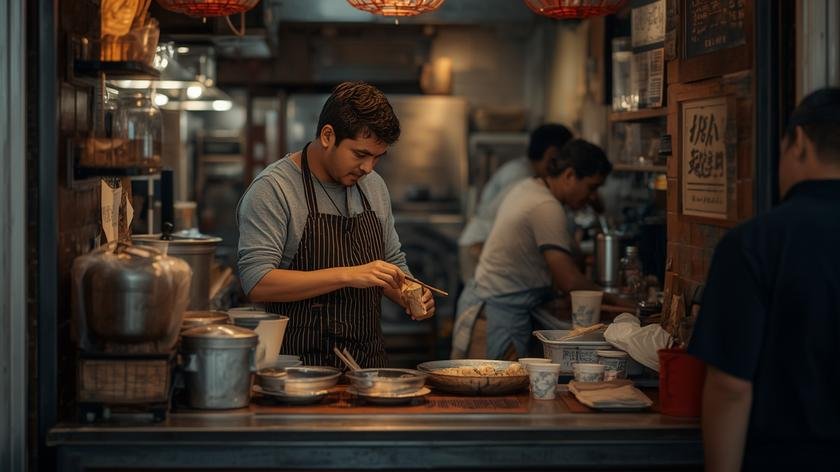
### Key Techniques for Chinese takeout style recipes
Understanding a handful of core cooking techniques unlocks a world of flavor combinations. Below are the most frequently employed methods in restaurant kitchens, explained for home cooks.
#### 1. Stir‑Frying
The hallmark of fast, high‑heat cooking. Ingredients are cut uniformly (≈½ inch) to ensure simultaneous doneness. Heat the wok until a drop of water evaporates instantly, then add oil, followed by aromatics (garlic, ginger, scallions). Toss quickly, adding proteins first, then vegetables, and finally sauces.
#### 2. Velveting
A technique for silky‑smooth meat textures. Marinate thin slices of chicken, beef, or pork in a mixture of egg white, cornstarch, rice wine, and a pinch of salt for 15 minutes. Briefly poach in simmering water before stir‑frying. The result is a glossy coating that resists over‑cooking.
#### 3. Flash‑Frying
Ideal for items like spring rolls or crispy wonton skins. Heat oil to 180 °C (350 °F); submerge pieces for 30–45 seconds until golden. Drain on a rack and finish with a light drizzle of soy‑based glaze for extra flavor.
#### 4. Simmer‑Saucing
Many classic sauces begin with a base of aromatics sautéed until fragrant, then deglazed with wine or broth. Add soy, oyster, and a touch of sugar; reduce until slightly thickened. Finish with a slurry of cornstarch and water for the signature glossy sheen.
Each of these techniques can be adapted for vegetarian or gluten‑free versions by swapping proteins with tofu, tempeh, or plant‑based alternatives and using tamari in place of wheat‑based soy sauce.
### Balancing Flavors in Chinese takeout style recipes
Achieving the coveted sweet‑salty‑sour‑umami equilibrium is less about exact measurements and more about sensory awareness. The classic “four‑taste” model guides adjustments:
| Flavor | Primary Ingredient | Typical Ratio |
|——–|——————-|—————|
| Sweet | Sugar, honey, hoisin | 1 part |
| Salty | Light soy sauce, salt | 2 parts |
| Sour | Rice vinegar, lime juice | ½ part |
| Umami | Oyster sauce, fermented beans | 1 part |
**Practical tip:** After the sauce reaches a simmer, taste and add a pinch of sugar if bitterness emerges, or a splash of vinegar if the dish feels flat. Remember that heat mellows sharpness; a quick taste before the final reduction is more accurate.
#### Incorporating Asian Inspired Recipes
While the focus remains on classic takeout classics, borrowing elements from neighboring cuisines adds depth. For example, a dash of Thai fish sauce introduces a marine note that complements soy‑based sauces, while a sprinkle of toasted sesame seeds (common in Korean side dishes) adds nuttiness without extra oil.
### Menu Planning & Adaptations
A thoughtfully sequenced menu mirrors the pacing of a restaurant’s service, keeping diners engaged and satisfied.
| Course | Dish Idea | Key Technique | Substitutions |
|——–|———–|—————|—————|
| Appetizer | Crispy vegetable spring rolls | Flash‑frying | Use rice‑paper wraps for gluten‑free |
| Soup | Hot & sour broth with tofu | Simmer‑sauce | Replace pork with shiitake for vegan |
| Main | Beef broccoli with garlic sauce | Stir‑frying | Swap beef for seitan for plant‑based |
| Noodle | Dan dan noodles with Sichuan pepper | Stir‑frying & sauce reduction | Use whole‑wheat noodles for added fiber |
| Dessert | Sweet sesame balls | Deep‑frying | Bake at 200 °C for a lighter version |
**Batch Cooking:** Prepare the sauce base in bulk; store in airtight jars for up to two weeks. This reduces nightly prep to a simple protein and vegetable stir‑fry, ideal for busy weekdays.
For further inspiration, explore our comprehensive guide to flavor pairing that outlines how to match sauces with seasonal produce.
### Comparison Table: Takeout vs. Home‑Cooked
The following side‑by‑side comparison highlights the advantages and trade‑offs of recreating restaurant dishes at home.
| Aspect | Takeout (Commercial) | Home‑Cooked |
|---|---|---|
| Cost per serving | $3–$5 | $1–$2 |
| Ingredient control | Limited (standardized sauces) | Full (organic, low‑sodium, allergen‑free) |
| Flavor authenticity | High (trained chefs, wok hei) | Variable (depends on technique) |
| Time investment | 5 min ordering + delivery | 30–45 min prep/cook |
| Environmental impact | Packaging waste, delivery emissions | Reusable containers, minimal waste |
By weighing these factors, you can decide when to enjoy the convenience of a professional kitchen and when the satisfaction of a home‑crafted plate outweighs the extra effort.
### FAQ
**Q1. How do I prevent vegetables from becoming soggy?**
Blanch briefly, then shock in ice water before stir‑frying.
**Q2. Can I use a regular skillet instead of a wok?**
Yes, but a larger surface area and higher heat retention are essential.
**Q3. What’s the secret to a glossy sauce?**
Finish with a cornstarch slurry and a quick boil.
**Q4. Is brown rice suitable for these dishes?**
It works, but jasmine rice offers the traditional texture.
**Q5. How long can I store homemade sauces?**
Refrigerated in sealed jars for up to two weeks; freeze for three months.
**Q6. Are there low‑sodium alternatives for soy sauce?**
Tamari or reduced‑salt soy sauces maintain flavor with less sodium.
### Conclusion and Final Takeaways
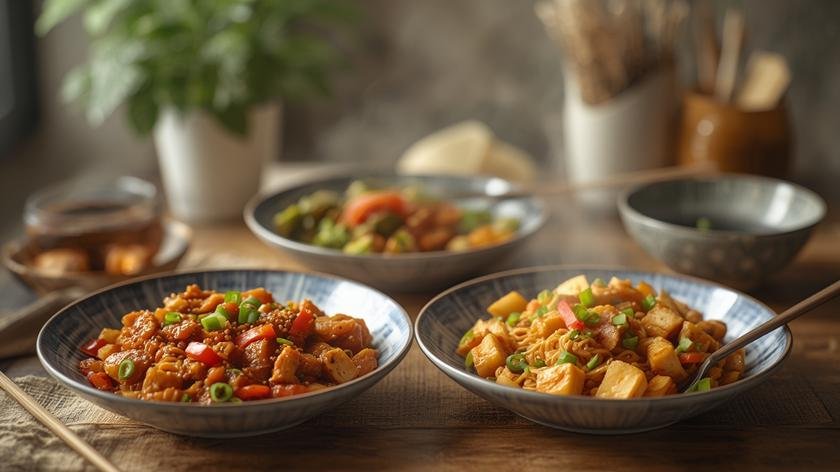
Recreating Chinese takeout style recipes at home is less about mimicking every restaurant detail and more about mastering a core set of techniques, ingredients, and flavor balances. With a well‑stocked pantry, a seasoned wok, and an understanding of velveting, stir‑frying, and sauce reduction, you can produce dishes that rival the best takeout spots while enjoying the benefits of customization, cost‑savings, and reduced environmental impact.
For those eager to deepen their repertoire, the next logical step is to experiment with regional variations—Sichuan’s bold heat, Cantonese’s delicate sauces, or Shanghai’s sweet‑savory blends—and integrate them into the framework outlined here. The skills you acquire today will serve as a versatile foundation for countless culinary adventures.
Explore further insights by visiting our advanced seasoning techniques page, and feel free to share your own successes and questions in the comments section below.
[Search for more ideas on this topic](https://www.google.com/search?q=Chinese+Takeout+Style+Recipes+at+Home){target=”_blank”}