Death Dreams and Ancestor Spirits: Unraveling the Mystery
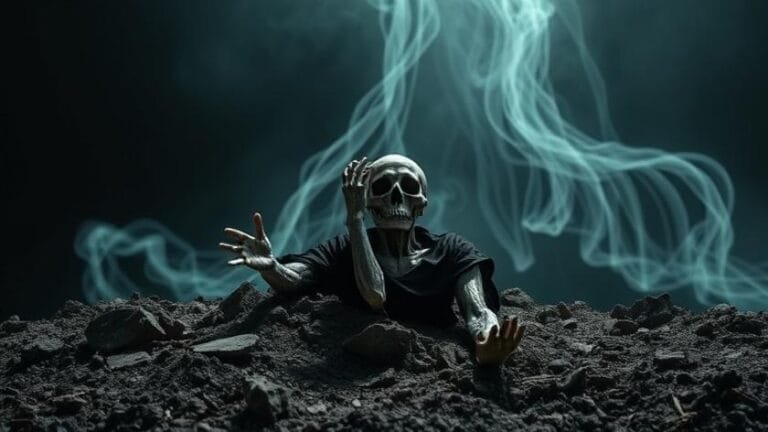
For many who find themselves awaking with vivid images of an ending or an encounter with a familiar yet distant presence, the subconscious is often trying to convey something deeper. Throughout history, cultures worldwide have interpreted such nocturnal narratives as messages from the beyond, and contemporary psychology adds another layer of meaning that bridges mythic symbolism with the brain’s emotional processing. In exploring death dreams and ancestor spirits, we uncover a rich tapestry where personal grief, collective memory, and spiritual belief intersect.
Thank you for reading this post, don't forget to subscribe!Modern readers may wonder whether these experiences are merely reflections of daily stress or if they truly open a channel to the lineage that shaped us. By examining the interplay between cultural lore, cognitive science, and practical dreamwork, we can demystify the phenomenon and offer guidance for those seeking insight without resorting to superstition. This article delves into the multifaceted nature of these visions, providing evidence‑based perspectives and respectful acknowledgment of the traditions that keep the dialogue with ancestors alive.
Table of Contents
- Understanding the Cultural Context
- Psychological Perspectives on Death Dreams
- Ancestor Spirits: Myth, Lore, and Modern Interpretation
- Common Themes and Symbols
- Interpreting Personal Experiences
- Practical Steps for Engaging with Death Dreams
- Comparison Table: Traditional vs. Psychological Approaches
- FAQ
- Conclusion and Final Takeaways
Understanding the Cultural Context
Across continents, the idea that the deceased can appear in dreams is a cornerstone of many belief systems. In African Yoruba tradition, for instance, ancestral visitation is a sign of guidance, whereas in ancient Chinese philosophy, dreams of death often signal a transition in personal virtue. Indigenous Australian “Dreamtime” narratives treat ancestral spirits not as static ghosts but as living forces shaping the landscape’s moral fabric. By acknowledging these diverse perspectives, we appreciate that death dreams and ancestor spirits are not monolithic; they adapt to the cultural lens through which they are viewed.
These traditions preserve communal memory, reinforcing social cohesion and offering a mechanism for coping with loss. The recurring motif of an ancestor appearing at a critical juncture—whether to warn, comfort, or admonish—serves as a cultural safeguard, reminding individuals of their responsibilities to family and community. Such stories survive because they deliver practical ethical instruction wrapped in a mystic tableau, a pattern that continues to resonate in contemporary dream narratives.
Psychological Perspectives on Death Dreams
From a scientific standpoint, dreams about death are frequently linked to major life changes, unresolved grief, or existential anxiety. Carl Jung categorized the dead in dreams as “shadow” figures, representing unintegrated parts of the self that need acknowledgment. More recent neurocognitive research shows that the default mode network activates during REM sleep, allowing the brain to rehearse threatening scenarios—a process that may manifest as death imagery. In this view, the presence of an ancestor can be interpreted as a personified component of the dreamer’s identity, embodying inherited values or familial expectations.
The stress‑buffering hypothesis suggests that recalling an ancestor’s traits during sleep can provide an internal source of resilience, especially when confronting personal loss. Empirical studies have documented lower cortisol levels in participants who reported positive ancestral encounters versus those whose dreams were marked by fear or condemnation. Thus, the psychological lens does not dismiss the experience as “just a dream”; it treats it as a functional mental rehearsal that can facilitate emotional regulation.
Ancestor Spirits: Myth, Lore, and Modern Interpretation
While scholarly analysis provides frameworks, many still turn to the vivid narratives passed down through generations. In Mexican Día de los Muertos celebrations, for example, families create altars (ofrendas) inviting the spirits of departed loved ones to partake in the living world’s festivities. The visual language of these rituals—candles, marigolds, and shared meals—often echoes in nocturnal visions, blending symbolic objects with personal memory.
In contemporary spiritual practices, such as certain New Age meditations, the term Spirit Dreams is adopted to describe purposeful encounters designed to receive guidance. Practitioners may employ intention‑setting rituals before sleep, aiming to summon an ancestor’s counsel on a specific dilemma. While such approaches lack rigorous empirical validation, they underscore a human desire to find agency in the irrational space of dreams, turning ambiguous nocturnal imagery into actionable insight.
Common Themes and Symbols
A systematic review of reported dream logs reveals recurring elements that bridge cultural and psychological domains:
- Closed doors or thresholds—often symbolize a transition, echoing the liminal space between life and death.
- Old family homes—serve as repositories of memory, representing the lineage’s heritage.
- Water bodies—frequently appear as conduits for emotional flow, hinting at cleansing or rebirth.
- Specific ancestors—whether a grandparent or a revered elder, their identity provides contextual meaning rather than a generic “someone.”
The meaning of each symbol intensifies when examined alongside personal history. For instance, a dying grandmother in a dream may signify the dreamer’s anxiety over impending caregiving responsibilities, while the same figure appearing serene could illustrate acceptance of the natural life cycle.
Interpreting Personal Experiences
Effective interpretation blends self‑reflection with external frameworks. Begin by journaling the dream immediately upon waking, noting emotions, colors, and any dialogue. Next, cross‑reference the details with cultural meanings outlined above, but prioritize personal associations. Does a particular scent remind you of a childhood kitchen? Does the ancestor’s tone mirror how they spoke to you in life?
Applying the “three‑question” method can sharpen insight:
- What is the most intense feeling in the dream?
- Which part of my waking life could this feeling be mirroring?
- How does the ancestor’s presence modify or illuminate that connection?
By answering these queries, the dreamer transforms a potentially unsettling nocturnal event into a purposeful narrative. For further guidance, you may explore additional dream analysis techniques within this same resource.
Practical Steps for Engaging with Death Dreams
Below is a step‑by‑step process that respects both psychological safety and cultural sensitivity:
- Sleep hygiene: Maintain a consistent schedule to improve REM stability.
- Pre‑sleep intention: Quietly state a purpose, such as “I welcome wisdom from my ancestors.”
- Dream journal: Capture details without judgment; physical writing reinforces memory.
- Ritual acknowledgment: Light a candle or say a brief gratitude prayer if the dream felt significant.
- Reflective dialogue: Discuss the dream with a trusted confidant or therapist familiar with Spirit Dreams frameworks.
Regular practice can reduce anxiety around recurring themes and may even convert frightening encounters into opportunities for growth. Remember, the goal is not to force interpretations but to allow the subconscious to surface meaningful material at its own pace.
Comparison Table: Traditional vs. Psychological Approaches
| Aspect | Traditional / Spiritual View | Psychological / Scientific View |
|---|---|---|
| Purpose of the Dream | Message from ancestors, guidance for living | Emotional processing, rehearsal of stressors |
| Interpretive Method | Symbolic rituals, cultural mythic frameworks | Jungian analysis, neurocognitive patterns |
| Recommended Action | Offer libations, perform ancestor‑focused rites | Journaling, therapeutic discussion, stress reduction |
| Validation Source | Community consensus, oral tradition | Empirical research, clinical outcomes |
FAQ
- Can a recurring death dream indicate a health issue? Occasionally, it reflects physiological stress; consult a professional if anxiety persists.
- Do all cultures view ancestor appearances positively? No; some see them as warnings or omens of unresolved conflict.
- Is it safe to attempt to summon an ancestor in a dream? Intentional practices are generally harmless if approached respectfully.
- How long does it take to understand a recurring dream? Insight varies; consistent journaling accelerates the process.
- Should I share these dreams with others? Sharing with trusted individuals can provide perspective, but personal privacy is also valid.
Conclusion and Final Takeaways
Whether viewed through the prism of ancient rites or modern neuroscience, death dreams and ancestor spirits serve as a compelling reminder that the mind continues its dialogue with the past while navigating present challenges. By honoring cultural narratives, applying evidence‑based analysis, and adopting respectful practices, individuals can transform unsettling nocturnal episodes into sources of clarity and emotional balance.
If you found this exploration informative, consider reviewing other sections of this article for deeper insights into dream symbolism. Continued curiosity and mindful practice will ensure that each night’s journey contributes positively to your waking life.