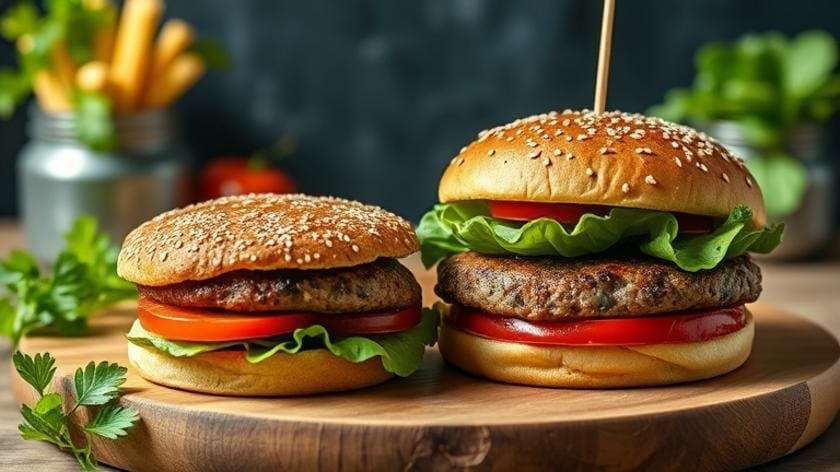
Easy Homemade Burgers Recipe
Easy homemade burgers have become a kitchen staple for families seeking a balance between convenience, flavor, and nutrition. When you control every element—from the grind of the meat to the selection of fresh toppings—you create a meal that reflects personal taste while also meeting dietary goals. The simplicity of this approach means you don’t need a professional chef’s apron; a handful of quality ingredients and a clear method are enough to produce satisfying results that rival any restaurant offering.
Thank you for reading this post, don't forget to subscribe!Beyond the immediate pleasure of a well‑formed patty, mastering easy homemade burgers opens the door to endless customization. Whether you’re catering to a picky eater, experimenting with global spice blends, or simply reducing waste by using pantry staples, the skill set you develop is applicable to countless other dishes. This guide walks you through each stage, ensuring your burgers are consistently delicious, nutritious, and wallet‑friendly.
## Table of Contents
– Why Make Your Own Burgers
– Core Ingredients and Their Roles
– Step‑by‑Step Guide
– Flavor Variations and Creative Twists
– Cooking Methods
– Assembly, Toppings, and Side Pairings
– Nutrition and Cost Comparison
– Comparison Table
– FAQ
– Conclusion and Final Takeaways
### Why Make Your Own Burgers
Creating your own patties gives you unparalleled control over texture, fat content, and seasoning. Store‑bought options often contain fillers, preservatives, and hidden sodium that can detract from flavor and healthfulness. By grinding meat at home—or selecting a high‑quality pre‑ground blend—you ensure a fresh product that retains natural juices. This control also supports sustainable practices: you can choose responsibly sourced beef, turkey, or plant‑based alternatives, reducing the environmental footprint associated with mass‑produced meat.
### Core Ingredients and Their Roles
A classic burger foundation consists of three primary components: protein, binders, and seasonings. Understanding each part’s purpose helps you adjust the formula for different dietary needs.
| Ingredient | Typical Amount (per 1 lb meat) | Function |
|————|——————————|———-|
| Ground meat (beef, turkey, lamb, or plant‑based) | 1 lb | Provides the bulk and primary flavor |
| Breadcrumbs or oat flour | 1/4 cup | Acts as a binder, retaining moisture |
| Egg (optional) | 1 large | Enhances cohesion and adds richness |
| Salt | 1 tsp | Elevates overall taste |
| Black pepper | 1/2 tsp | Adds subtle heat |
| Worcestershire sauce | 1 Tbsp | Contributes umami depth |
| Optional aromatics (garlic, onion powder, fresh herbs) | 1‑2 tsp | Personalizes flavor profile |
The proportions can be tweaked; for example, a lean 90/10 beef blend benefits from an extra egg or a splash of olive oil to prevent dryness. When you explore homemade burger recipes, you’ll notice that successful variations keep the binder-to‑meat ratio between 1:3 and 1:4, ensuring the patty holds together without becoming dense.
### Step‑by‑Step Guide
The following sequence is designed for consistency, regardless of whether you have a stand‑mix grinder or a basic kitchen knife.
1. **Select and Chill Ingredients** – Keep meat and binders cold (32‑40 °F). Cold fat stays solid, which is crucial for a juicy final product.
2. **Season the Meat** – Sprinkle salt, pepper, and any additional aromatics evenly over the meat. Let sit for 10 minutes to allow surface proteins to absorb flavor.
3. **Add Binders** – Mix breadcrumbs (or oat flour) and the egg into a small bowl with a tablespoon of water; this creates a “gel” that distributes evenly.
4. **Combine** – Gently fold the binder mixture into the meat using a spatula. Over‑mixing develops gluten, leading to a tough burger; stop once the mixture is uniform.
5. **Form Patties** – Divide the blend into 4‑6 equal portions (~4 oz each). Press each portion into a flat disc about ¾ inch thick, creating a small indentation in the center (this prevents bulging during cooking).
6. **Chill Pattys** – Refrigerate for at least 30 minutes. This step firms the shape and enhances flavor melding.
7. **Cook** – Choose a method from the “Cooking Methods” section below; aim for 3‑4 minutes per side for medium‑rare on high heat, adjusting for thickness and desired doneness.
For a more visual guide, see the detailed step‑by‑step guide that walks you through each action with timing cues and safety tips.
### Flavor Variations and Creative Twists
Once you’ve mastered the baseline, experimentation becomes the most rewarding part of the process. Below are five proven adaptations that keep your menu exciting:
– **Mediterranean Blend**: Add chopped Kalamata olives, crumbled feta, and a pinch of oregano to the meat mixture.
– **Southwest Kick**: Incorporate chipotle in adobo, cumin, and cornmeal; serve with avocado slices and pepper jack cheese.
– **Umami Boost**: Mix finely diced mushrooms and a splash of soy sauce for a hearty, earthy depth.
– **Herb‑Infused Turkey**: Combine rosemary, thyme, and lemon zest with lean turkey; pair with a light arugula salad.
– **Plant‑Based Fusion**: Use a blend of black beans, lentils, and quinoa; bind with flaxseed meal and smoked paprika for a smoky profile.
Each variation can be referenced in additional homemade burger recipes collections for inspiration.
### Cooking Methods
There are three primary ways to finish your patty, each delivering distinct texture and flavor.
| Method | Heat Source | Ideal Result | Tips |
|——–|————-|————–|——|
| Grill | Charcoal or gas | Smoky crust with grill marks | Pre‑heat to high; oil grates lightly |
| Pan‑Sear | Cast‑iron or stainless skillet | Crispy exterior, caramelized juices | Use a thin layer of high‑smoke‑point oil; press lightly once |
| Oven‑Bake | Convection oven at 425 °F | Even cooking, less mess | Place patties on a wire rack; finish under broiler for crust |
When you choose a technique, remember that the total internal temperature should reach 160 °F for ground beef, 165 °F for poultry, and the equivalent safe temperature for plant proteins. Throughout the cooking stage, aim to keep the patty’s surface dry; moisture hinders Maillard browning, which is essential for that satisfying bite.
### Assembly, Toppings, and Side Pairings
A burger’s ultimate appeal lies in its combination of textures. Here’s a layered approach:
1. **Bun** – Opt for brioche, pretzel, or whole‑grain rolls. Lightly toast the cut sides with butter or oil.
2. **Spread** – Create a simple aioli (mayonnaise, garlic, lemon) or a mustard‑honey glaze.
3. **Patty** – Place the hot patty directly on the bottom bun; add cheese during the final minute of cooking for melt.
4. **Fresh Elements** – Lettuce, tomato, red onion, and pickles provide crunch and acidity.
5. **Finishing Touch** – Drizzle a dash of hot sauce or a dollop of coleslaw for added dimension.
Serve with classic sides such as baked sweet‑potato wedges, kale chips, or a crisp cucumber salad to round out the meal nutritionally.
### Nutrition and Cost Comparison
Investing time in easy homemade burgers can be financially savvy, but the true benefit is nutritional transparency. Below is a quick snapshot comparing a typical store‑bought burger with a homemade counterpart made from 80/20 lean ground beef.
| Metric (per 4 oz patty) | Store‑Bought (pre‑cooked) | Homemade (80/20 beef) |
|————————–|—————————|————————|
| Calories | ~340 | ~280 |
| Total Fat | 20 g | 16 g |
| Saturated Fat | 8 g | 6 g |
| Protein | 16 g | 20 g |
| Sodium | 600 mg | 350 mg |
| Cost per patty | $1.25 | $0.85 |
Homemade versions deliver more protein and less sodium, while the cost savings accumulate quickly when you batch‑prepare. For a deeper dive, review the nutrition and cost comparison later in this article.
## Comparison Table
Below is an evaluation matrix that helps you decide which burger style aligns with your priorities—flavor intensity, preparation time, dietary restrictions, and equipment availability.
| Criteria | Classic Beef (80/20) | Lean Turkey | Plant‑Based Blend |
|---|---|---|---|
| Prep Time | 15 min | 12 min | 20 min (includes soaking grains) |
| Cooking Method Flexibility | Grill, Pan, Oven | Pan, Oven | Pan, Oven |
| Flavor Depth | High (natural umami) | Medium (requires seasoning) | Variable (depends on added spices) |
| Protein (g per patty) | 20 g | 18 g | 15 g |
| Cost (USD per patty) | $0.85 | $0.78 | $1.10 |
| Dietary Suitability | None | Low‑fat, gluten‑free | Vegetarian, vegan (if using plant oil) |
## FAQ
**How long can raw burger mixture be stored?**
Up to 24 hours in the refrigerator, sealed in an airtight container.
**What temperature should the grill be for burgers?**
Preheat to medium‑high, about 450‑500 °F.
**Can I freeze formed patties?**
Yes—place on a tray, freeze solid, then transfer to a freezer bag for up to 3 months.
**Is it okay to add cheese before flipping?**
Add cheese during the last minute of cooking to melt without overcooking the patty.
**What’s the best bun to prevent sogginess?**
A toasted brioche or pretzel bun provides structure and flavor while resisting moisture.
## Conclusion and Final Takeaways
Mastering easy homemade burgers equips you with a versatile skill set that enhances everyday meals and special occasions alike. By selecting quality ingredients, following a disciplined preparation process, and experimenting with global flavor profiles, you can consistently deliver a burger that satisfies both palate and nutrition goals. Remember to keep the meat cold, avoid over‑mixing, and choose a cooking method that aligns with your equipment and taste preferences. Whether you stick to the classic beef patty or venture into turkey or plant‑based territory, the core principles remain the same: balance, moisture, and mindful seasoning.
Take the information presented here, apply it to your next dinner, and enjoy the confidence that comes from creating restaurant‑quality burgers in your own kitchen. Happy cooking!