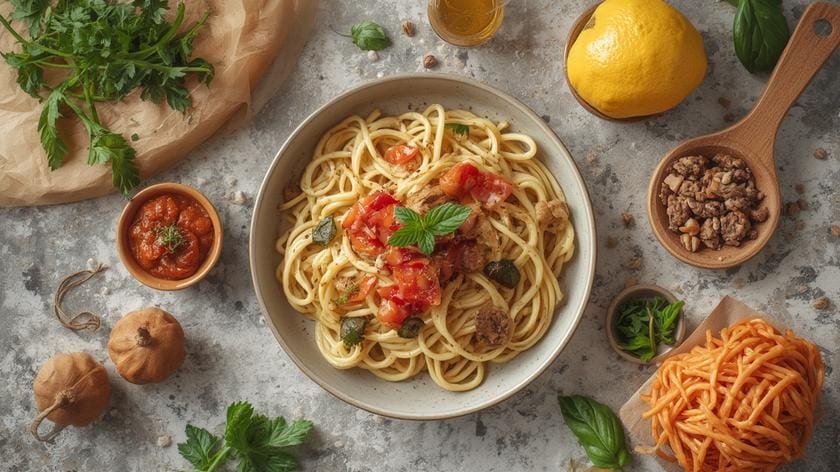
Everyday Healthy Foods for a Balanced Diet
Every day, the choices we make at the kitchen table ripple through every aspect of our lives—from energy levels at work to long‑term disease risk. By deliberately selecting foods that nourish rather than merely satiate, we lay a foundation for resilience, mental clarity, and overall vitality. Understanding the science behind macronutrients, micronutrients, and the timing of meals empowers anyone to transition from random eating habits to a purposeful, health‑focused lifestyle.
Thank you for reading this post, don't forget to subscribe!Incorporating a variety of nutrient‑dense options doesn’t have to feel like a daunting overhaul. Small, consistent adjustments—like swapping refined grains for whole alternatives or reaching for a piece of fruit instead of a sugary dessert—can transform the nutritional profile of a typical day. This article explores practical ways to embed everyday healthy foods into each meal and snack, ensuring a balanced diet that supports both immediate performance and long‑term well‑being.
## Table of Contents
– Understanding Nutrient Basics
– Breakfast Boosters
– Lunch and Dinner Essentials
– Smart Snacking with Wholesome Snacks
– Meal Planning Tips for Consistency
– Comparison of Key Food Groups
– FAQ
– Conclusion and Final Takeaways
## Understanding Nutrient Basics
A solid nutritional foundation hinges on three macronutrients—carbohydrates, proteins, and fats—plus a spectrum of micronutrients such as vitamins and minerals. Carbohydrates provide the primary fuel for the brain and muscles; selecting complex sources like oats, quinoa, and legumes ensures a slower, more stable release of glucose. Proteins are essential for tissue repair, hormonal balance, and satiety; lean meats, dairy, legumes, and plant‑based alternatives each contribute unique amino acid profiles. Healthy fats, especially monounsaturated and polyunsaturated varieties found in olive oil, nuts, and fatty fish, support cellular integrity and the absorption of fat‑soluble vitamins.
Micronutrients, though required in smaller quantities, play outsized roles in immune function, bone health, and metabolic pathways. For instance, vitamin C enhances iron absorption, while magnesium is pivotal for over 300 enzymatic reactions. By focusing on whole, minimally processed foods, you naturally obtain a synergistic blend of these nutrients, reducing the need for supplementation.
Starting the day with a nutrient‑rich breakfast sets the metabolic tone for the hours ahead. Below are three balanced options that integrate everyday healthy foods without demanding excessive preparation time.
1. **Overnight Oats with Berries and Chia** – Combine rolled oats, almond milk, a tablespoon of chia seeds, and a handful of frozen mixed berries. Refrigerate overnight; in the morning, add a drizzle of honey and a sprinkle of toasted almonds for crunch and extra protein.
2. **Greek Yogurt Parfait** – Layer plain Greek yogurt with sliced kiwi, a spoonful of granola (preferably low‑sugar), and a dash of cinnamon. This combo offers a high‑protein base, probiotic benefits, and antioxidants from the fruit.
3. **Veggie‑Packed Egg Muffins** – Whisk eggs with chopped spinach, diced bell peppers, and a small amount of feta cheese. Pour into a muffin tin and bake for 15‑20 minutes. Store several portions in the fridge for a grab‑and‑go solution.
Each of these meals balances complex carbs, lean protein, and healthy fats, helping to curb mid‑morning cravings and maintain steady energy.
## Lunch and Dinner Essentials
Midday and evening meals are opportunities to incorporate a broad spectrum of vegetables, whole grains, and high‑quality proteins. Here are four versatile dishes that can be adapted to diverse taste preferences and dietary restrictions.
| Meal | Core Components | Preparation Tips |
|——|—————-|——————|
| **Mediterranean Grain Bowl** | Farro or brown rice, roasted chickpeas, cucumbers, tomatoes, olives, and a lemon‑tahini dressing | Roast chickpeas with smoked paprika for added flavor; mix the dressing in a jar for quick use. |
| **Stir‑Fry with Tofu or Chicken** | Brown rice or quinoa, mixed stir‑fry vegetables (broccoli, snap peas, carrots), tofu or skinless chicken breast, ginger‑garlic sauce | Use a high‑heat wok; add sauce at the end to preserve crispness. |
| **Salmon with Sweet‑Potato Mash** | Wild‑caught salmon fillet, roasted sweet potatoes, steamed asparagus, olive‑oil drizzle | Season salmon with dill and lemon; mash potatoes with a splash of low‑fat milk for creaminess. |
| **Lentil‑Based Chili** | Red lentils, diced tomatoes, kidney beans, bell peppers, cumin, and chili powder | Simmer for 30 minutes; serve with a dollop of Greek yogurt instead of sour cream. |
These recipes prioritize everyday healthy foods that deliver sustained satiety, essential omega‑3 fatty acids, and a variety of phytochemicals.
## Smart Snacking with Wholesome Snacks
When hunger strikes between meals, choosing nutrient‑dense options prevents blood‑sugar spikes and keeps metabolism active. The following ideas incorporate the related keyword while staying practical.
1. **Apple Slices with Almond Butter** – Provides fiber, healthy fats, and a touch of protein.
2. **Edamame Pods** – Lightly salted; a plant‑based protein source rich in iron and calcium.
3. **Greek Yogurt with Ground Flaxseed** – Boosts omega‑3 intake and adds soluble fiber.
These wholesome snacks are portable, require minimal preparation, and complement the overall dietary pattern described throughout this guide.
## Meal Planning Tips for Consistency
Sustaining healthy eating habits hinges on organization and foresight. Below are three strategies that minimize decision fatigue and waste.
– **Batch Cooking on Weekends**: Prepare large quantities of staple grains, roasted vegetables, and proteins. Portion them into reusable containers for quick assembly during the week.
– **Create a Master Shopping List**: Group items by department (produce, pantry, dairy) to streamline grocery trips and avoid impulse buys.
– **Use Seasonal Produce**: Align meals with what’s fresh and locally available; this reduces cost and maximizes nutrient density.
For deeper insight on structuring weekly menus, you can learn more about balanced nutrition through additional resources on this site.

## Comparison of Key Food Groups
Below is an evaluation table that contrasts common food categories based on nutritional impact, cost, and preparation time. This side‑by‑side view assists readers in tailoring choices to personal goals.
| Food Group | Key Nutrients | Typical Serving Cost (USD) | Prep Time (minutes) | Health Benefits |
|---|---|---|---|---|
| Whole Grains (e.g., quinoa, brown rice) | Complex carbs, B‑vitamins, magnesium | 0.50‑1.00 | 15‑20 (cooking) | Steady energy, improved digestion |
| Leafy Greens (e.g., kale, spinach) | Vitamin K, iron, calcium, antioxidants | 1.00‑2.00 | 5‑10 (washing & chopping) | Bone health, reduced inflammation |
| Lean Proteins (e.g., chicken breast, lentils) | Complete proteins, zinc, B12 (animal) | 1.50‑3.00 | 10‑30 (cooking) | Muscle maintenance, satiety |
| Healthy Fats (e.g., avocado, nuts) | Monounsaturated fats, vitamin E, omega‑3 | 1.00‑2.50 | 2‑5 (slicing) | Heart health, hormone regulation |
| Fruit (e.g., berries, citrus) | Vitamin C, fiber, phytochemicals | 0.75‑2.00 | 1‑3 (washing) | Immune support, antioxidant protection |
**Q1: How many servings of vegetables should I aim for each day?**
A: At least five servings (about 2½ cups) of assorted vegetables.
**Q2: Can I rely on smoothies for my daily nutrient intake?**
A: They’re convenient but should complement whole foods, not replace them.
**Q3: Are frozen fruits and vegetables as nutritious as fresh?**
A: Yes, they retain most nutrients when flash‑frozen shortly after harvest.
**Q4: How often should I include fish in my diet?**
A: Two servings of fatty fish per week provide optimal omega‑3 benefits.
**Q5: Is it necessary to count calories for a balanced diet?**
A: Not always; focusing on portion quality and hunger cues often works better.
**Q6: What’s the best way to store cooked grains?**
A: Cool quickly, then refrigerate in airtight containers for up to four days.

## Conclusion and Final Takeaways
Integrating everyday healthy foods into routine meals is less about drastic overhauls and more about strategic, sustainable swaps. By prioritizing whole grains, vibrant vegetables, lean proteins, and nutrient‑rich fats, you construct a dietary framework that fuels performance, supports recovery, and guards against chronic disease. Pair these core choices with thoughtfully selected wholesome snacks, disciplined meal planning, and a mindful approach to portion sizes, and you unlock a lasting sense of vitality.
For those ready to deepen their understanding, consider exploring additional evidence‑based resources and experimenting with the meal ideas presented here. Consistency, curiosity, and a willingness to adapt will turn the principles outlined in this guide into lifelong habits that nurture both body and mind.
Ready to put these insights into practice? Review your current pantry, select a few new recipes, and start building a more resilient, health‑focused routine today.