Filipino Family Recipes: Heirloom Dishes Passed Down Through Generations
The act of gathering around a shared pot, exchanging stories, and passing down culinary secrets has long been a cornerstone of familial identity. In many households, the kitchen serves as a living archive where Filipino family recipes are nurtured, refined, and celebrated for generations. These dishes carry more than flavor; they embody the values, migrations, and celebrations that define each lineage.
Thank you for reading this post, don't forget to subscribe!Understanding the depth of these culinary heirlooms offers a window into the broader tapestry of Filipino family recipes that shape community gatherings, religious feasts, and everyday meals. By exploring the narratives behind each plate, home cooks can honor tradition while inviting new interpretations that keep the spirit alive for future generations.
Table of Contents
- Heritage in the Home Kitchen
- Iconic Heirloom Dishes
- Time‑Honored Techniques
- Modern Adaptations While Honoring Tradition
- Comparison of Popular Heirloom Dishes
- FAQ
- Conclusion and Final Takeaways
Heritage in the Home Kitchen
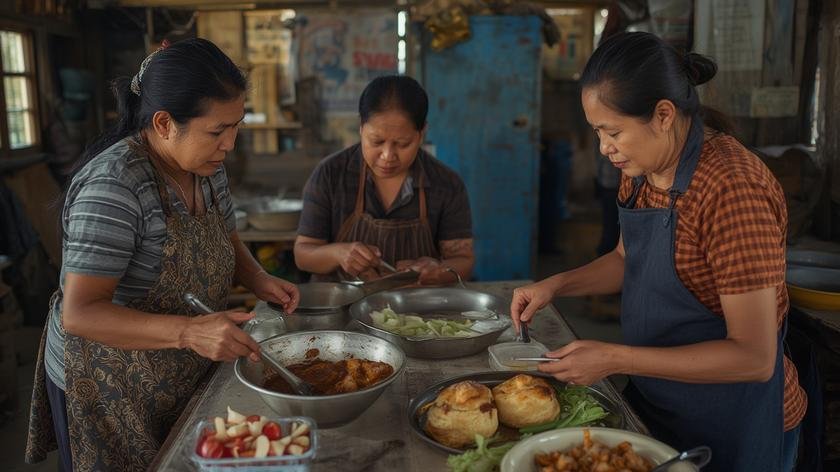
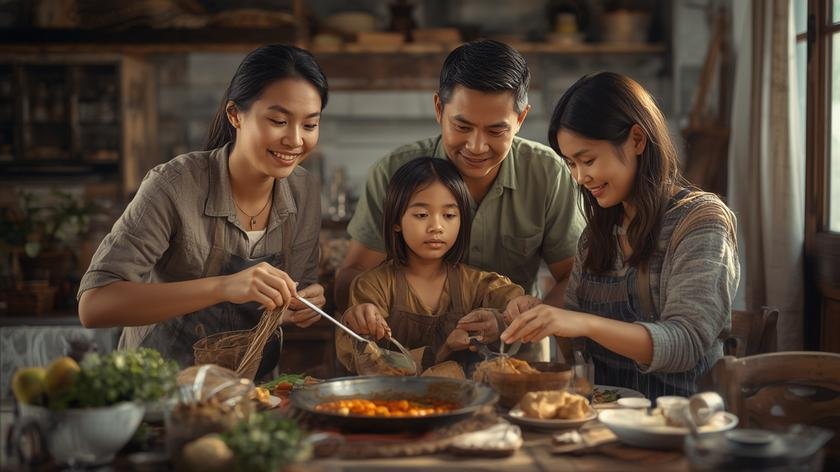
The kitchen in a traditional household is more than a workspace; it is a cultural hub where elders impart wisdom through the rhythm of chopping, simmering, and tasting. The transmission of Filipino family recipes often happens in the quiet moments between generations, with younger members watching seasoned hands coax flavors from native ingredients. The sensory experience—sizzling garlic in oil, the aroma of beef broth, the first bite of a perfectly caramelized plantain—creates lasting memories that reinforce identity.
These practices are reinforced by rituals such as preparing the silog breakfast for early risers or the labor‑intensive leche flan for special celebrations. Each ritual carries an unspoken promise: the recipe will survive as long as it is lovingly executed. This dedication has helped sustain a vibrant culinary heritage that remains resilient despite modern influences.
Iconic Heirloom Dishes
Some dishes have become emblematic of familial pride, often bearing the name of the family that first perfected them. Filipino family recipes such as adobo—a tangy marination of meat in vinegar, soy sauce, and peppercorns—exemplify the balance of salty, sour, and sweet that characterizes many traditional plates. While the core ingredients stay consistent, each household’s version reveals subtle differences: a splash of coconut milk here, a pinch of bay leaf there.
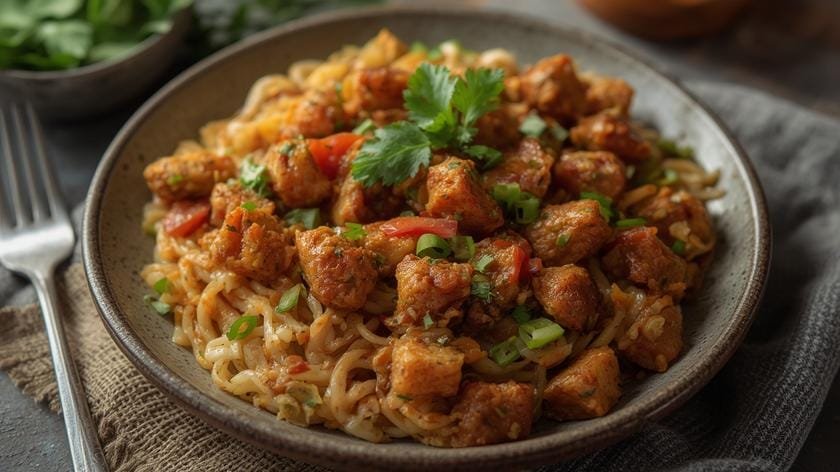
Similarly, kare‑kare showcases the use of ground toasted rice as a thickening agent, lending a velvety texture that pairs flawlessly with oxtail and a side of fermented shrimp paste. Another beloved heirloom, pancit palabok, transforms simple rice noodles into a celebratory centerpiece with a rich, orange‑hued sauce infused with shrimp, pork, and hard‑boiled eggs. The regional variety of these dishes mirrors the rich diversity found within Filipino cuisine, yet each family’s rendition is a testament to personal history.
Even sweet treats like bibingka and puto bumbong find their way into the family archive, often prepared during festive periods such as Christmas and Easter. The act of wrapping rice dough in banana leaves or steaming in bamboo tubes conveys a tactile connection to the land and its agrarian roots. These desserts, while simple in ingredients, become elaborate expressions of love when shared across generations.
Time‑Honored Techniques
The mastery of certain cooking methods is as essential as the recipes themselves. One foundational technique is “pag-ibabaw,” the art of frying aromatics—garlic, onion, and ginger—until they exude a fragrant golden hue. This base, known as sautéed aromatics, forms the cornerstone of countless dishes, from stews to sautéed vegetables. Mastery of this step ensures the depth of flavor that long‑awaited family members anticipate.
Another pivotal method is “pag‑tiróng,” the slow simmering of meat in a flavorful broth to achieve tenderness without sacrificing juiciness. This technique is central to preparing bulalo and dinuguan, where patience allows connective tissues to break down, releasing gelatin that enriches the sauce. The timing of acid additions—vinegar, calamansi, or tamarind—must be precise; adding them too early can toughen meat, whereas a later addition brightens the palate.
Preservation via fermentation also plays a role, especially in the creation of bagoong and atún. Families often hold onto secret starter cultures passed down through generations, cultivating a distinctive tang that modern store‑bought versions cannot replicate. Understanding these techniques offers a pragmatic roadmap for anyone seeking to maintain authenticity while experimenting within the framework of tradition.
Modern Adaptations While Honoring Tradition
Contemporary home cooks frequently adapt heirloom dishes to accommodate busy schedules, dietary restrictions, or the availability of ingredients. The rise of pressure cookers and air fryers has streamlined traditionally labor‑intensive methods, enabling the recreation of classic flavors with less hands‑on time. For instance, a quick‑cook version of pochero now utilizes a pressure cooker to tenderize beef and saba bananas in a fraction of the original cooking period.
Health‑conscious adaptations also emerge, such as substituting coconut oil with olive oil in sisig or incorporating cauliflower rice instead of traditional starches for a lower‑carb take on sinangag. Despite these changes, the core narrative of each dish—its aroma, texture, and cultural significance—remains intact, illustrating the flexibility of Filipino family recipes in evolving kitchens.
Even the presentation evolves: modern plating introduces vibrant garnishes like microgreens, edible flowers, or drizzles of infused oils, turning nostalgic plates into visual stories. Yet the foundational flavors—sourness from calamansi, saltiness from fermented shrimp, and sweet undertones from palm sugar—continue to echo the voices of ancestors, reinforcing continuity while inviting fresh interpretations.
Comparison of Popular Heirloom Dishes
| Dish | Primary Flavor Profile | Typical Prep Time | Complexity (1‑5) | Best Occasion |
|---|---|---|---|---|
| Adobo | Salty‑Sour with subtle sweetness | 45 minutes | 2 | Everyday & family gatherings |
| Kare‑kare | Rich, nutty, earthy | 2 hours (slow simmer) | 4 | Festive celebrations |
| Leche Flan | Caramel‑sweet | 1 hour (including cooling) | 3 | Special events & desserts |
| Pancit Palabok | Umami‑rich, slightly spicy | 1 hour | 3 | Birthdays & fiestas |
| Sisig | Spicy‑savory with citrus punch | 30 minutes | 2 | Barbecues & casual meals |
FAQ
- What makes a dish “heirloom”? A recipe passed down through at least two generations within a family.
- Can I substitute ingredients and still keep authenticity? Small tweaks are fine; core flavors should remain unchanged.
- How long can homemade fermented sauces be stored? Up to 12 months in a cool, dark place.
- Is a pressure cooker suitable for traditional stews? Yes, it speeds cooking while preserving flavor.
- Where can I find original regional versions? Visit local markets or ask elders for authentic sources.
Conclusion and Final Takeaways
The endurance of Filipino family recipes lies in their ability to evolve without losing the essence that ties generations together. By respecting time‑honored techniques, acknowledging the cultural weight of each dish, and thoughtfully integrating modern conveniences, cooks can ensure that these culinary stories continue to thrive on dinner tables worldwide.
Embracing this legacy invites both reverence for the past and curiosity for the future. As you explore your own kitchen’s archive, consider documenting variations, sharing the origins with younger relatives, and perhaps contributing your own chapter to this living tradition.
Learn more about preserving culinary heritage and discover the full list of heirloom dishes to keep the flavors of your ancestors alive for generations to come. For further reading, you may also search the article title online.