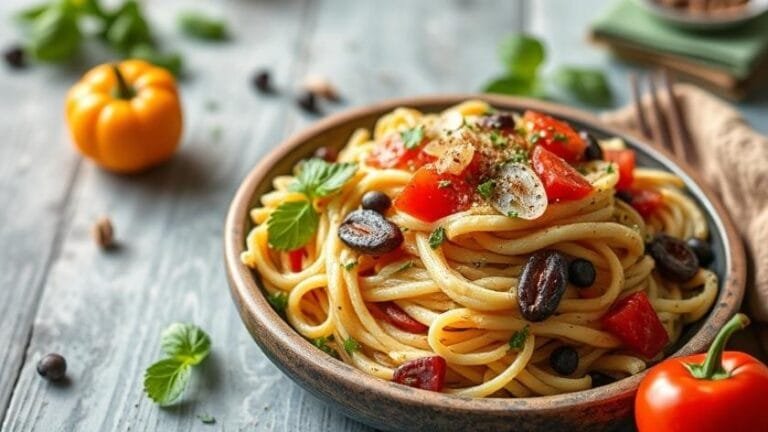
French Inspired Dinner Recipes for a Taste of Elegance
There is an unmistakable romance to the way French cuisine balances simplicity with sophistication. Even a modest home kitchen can conjure the ambiance of a Parisian bistro when it follows the timeless principles that have shaped centuries of culinary tradition. By focusing on technique, seasonal ingredients, and a reverence for balance, home cooks can create meals that feel both luxurious and comforting. This article explores how to translate that ethos into everyday cooking, guiding readers toward dishes that echo the elegance of France without demanding a professional pantry.
Thank you for reading this post, don't forget to subscribe!Whether you are planning a quiet family evening or a dinner party that calls for a touch of refinement, the strategies below will help you master French inspired dinner recipes. From classic staples to contemporary reinterpretations, each suggestion is built around flavor, texture, and the subtle art of pairing, ensuring that your table reflects the true spirit of French dining.
Table of Contents
- Understanding French Culinary Foundations
- Essential Ingredients for Authentic Flavors
- Classic French Inspired Dinner Recipes
- Modern Twists on French Dinner
- Meal Planning and Pairing
- Recipe Comparison Table
- FAQ
- Conclusion and Final Takeaways
Understanding French Culinary Foundations
The first step toward confident French inspired dinner recipes is to internalize the core concepts that define French cooking. These include the “mise en place” philosophy—preparing every ingredient, tool, and garnish before you start frying or simmering. This disciplined approach minimizes chaos, ensures consistent timing, and respects the integrity of each component.
Technique supersedes extravagance in French cuisine. Classic methods such as sautéing, braising, and deglazing are not merely procedures; they are the language through which flavors converse. For instance, a properly seared piece of chicken creates a caramelized fond at the bottom of the pan, which, when deglazed with wine, forms the backbone of a sauce. Understanding how each step contributes to the final taste profile empowers you to improvise confidently, turning a simple ingredient list into a nuanced dish.
Flavor layering also plays a pivotal role. French chefs habitually begin with aromatics—onion, carrot, and celery (the mirepoix)—to build depth. Herbs such as thyme, rosemary, and bay leaves are introduced early, allowing their essential oils to diffuse gently. Finally, finishing touches, often a splash of acid (wine, vinegar, or citrus) or a sprinkle of fresh herbs, brighten the palate and create balance.
To explore more nuanced guidance, discover additional insights on mastering French techniques and see how they apply across a range of dishes.
Essential Ingredients for Authentic Flavors
While technique is the skeleton, ingredients are the flesh of French cooking. A pantry stocked with a handful of high‑quality items can open a world of possibilities. Here are the staples you should keep on hand:
- Dairy: Unsalted butter (preferably cultured), heavy cream, and a variety of cheeses such as Gruyère, Camembert, and Roquefort.
- Fats & Oils: Olive oil for sautéing, butane‑flamed duck fat for confit, and a drizzle of walnut oil for finishing salads.
- Proteins: Fresh poultry, pork shoulder, veal cuts, and firm white fish. Cured meats like saucisson sec and lardons add smoky depth.
- Vegetables & Aromatics: Shallots, garlic, leeks, carrots, celery, mushrooms, and the ever‑essential onions.
- Herbs & Spices: Fresh thyme, tarragon, parsley, chervil, and bay leaves; a pinch of nutmeg for béchamel, and a whisper of saffron for bouillabaisse.
- Liquids: Dry white and red wines, cognac, vermouth, and high‑quality stock (chicken, beef, or vegetable).
Seasonality matters. Choosing produce at its peak—think spring asparagus, summer tomatoes, autumn squash—ensures brighter flavors and reduces the need for heavy seasoning. When you align your menu with the season, the dishes inherently feel more authentic and cost‑effective.
Classic French Inspired Dinner Recipes
Below are three signature dishes that embody the elegance and depth of French cuisine while remaining approachable for the home cook. Each recipe highlights an essential technique and showcases how the previously discussed ingredients can be combined harmoniously.
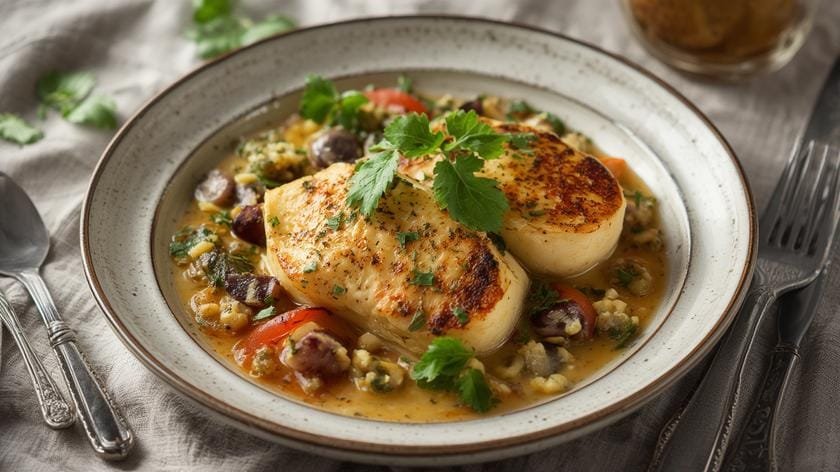
1. Coq au Vin
Traditionally made with rooster, this braised chicken dish is a masterclass in flavor development. Begin by marinating bone‑in chicken thighs in red Burgundy wine, thyme, and garlic for several hours. Pat the pieces dry, then brown them in a mixture of butter and oil to create a rich fond. Remove the chicken, then sauté diced pancetta, carrots, onions, and mushrooms until softened.
Deglaze the pan with the same wine used for the marinade, adding a splash of cognac for complexity. Return the chicken to the pot, pour in chicken stock until the meat is barely covered, and simmer gently for 45–60 minutes, or until the meat falls off the bone. Finish with fresh parsley and serve over butter‑sautéed potatoes or a bed of creamy polenta.
2. Ratatouille
This vegetable medley from Provence celebrates the season’s bounty. Slice zucchini, eggplant, bell peppers, and tomatoes into uniform rounds. In a deep skillet, soften onions and garlic in olive oil, then add a spoonful of tomato purée and a pinch of Herbes de Provence.
Arrange the sliced vegetables in concentric circles, overlapping them slightly. Drizzle with a mixture of olive oil, a few drops of balsamic vinegar, and season with salt and pepper. Cover and let steam for 20–25 minutes until the vegetables are tender yet retain their shape. Garnish with fresh basil, and serve as a side or a vegetarian main alongside crusty bread.
3. Beef Bourguignon
Another iconic braise, beef bourguignon showcases how slow cooking transforms humble cuts into melt‑in‑your‑mouth perfection. Cube chuck steak and brown it in oil, creating a deep, caramelized crust. Remove the beef, then sauté pearl onions, carrots, and mushrooms. Add a tablespoon of tomato paste, stir, and deglaze with a cup of Burgundy wine, scraping up all browned bits.
Return the beef to the pot, add beef stock to cover, a bouquet garni of thyme, bay leaf, and parsley stems, and simmer low and slow for 2½–3 hours. The result is a velvety sauce that clings lovingly to each piece of meat. Serve with butter‑glazed potatoes or a generous spoonful of fluffy white rice.
These three examples provide a solid foundation for anyone seeking to craft French inspired dinner recipes. By mastering the braise, the sauté, and the artful layering of flavors, you acquire a versatile skill set that translates to countless other dishes.
For additional inspiration, explore further recipe variations and technique tips that adapt these classics to modern tastes.
Modern Twists on French Dinner
Contemporary French cooking often reinterprets traditional dishes with global influences, lighter preparations, and innovative plating. Consider these adaptations that retain the heart of French flavor while embracing current culinary trends.
- Salmon en Papillote with Herbes de Provence: Wrap salmon fillets, thinly sliced fennel, lemon zest, and a drizzle of white wine in parchment. The steam‑locked packet yields a moist, aromatic fish that pairs beautifully with a quinoa‑herb salad.
- Vegetarian Cassoulet: Substitute white beans for meat, layering them with caramelized leeks, roasted tomatoes, and a sprinkle of smoked paprika. Finish with a breadcrumb‑cheese crust for texture.
- Mushroom “Risotto” with French Cheese: Use barley or farro instead of arborio rice for a nutty bite. Stir in a generous handful of Gruyère and a splash of dry sherry, finishing with fresh thyme.
- Mini Tarte Tatin Bites: Individual caramelized apple tarts with a puff‑pastry base, served warm and topped with a dollop of vanilla‑infused crème fraîche.
These modern renditions illustrate how the same principles—proper technique, balanced flavor, and seasonal respect—can be applied to inventive menus. They also expand the range of French inspired dinner recipes you can offer without straying from the cuisine’s core values.
Meal Planning and Pairing
Effective meal planning goes beyond assembling dishes; it involves crafting a harmonious dining experience. Start by selecting a main protein, then choose two complementary sides that vary in texture and temperature. For example, a rich beef bourguignon can be balanced with a crisp green salad dressed in a light mustard vinaigrette and a silky potato purée.
Wine pairing is an art that accentuates both food and drink. A classic rule of thumb is to match the intensity of the wine with the richness of the dish. A buttery Chardonnay pairs beautifully with a creamy mushroom risotto, while a robust Cabernet Sauvignon stands up to a hearty coq au vin. When in doubt, a sparkling wine like Crémant can bridge a wide range of flavors, adding a celebratory sparkle without overwhelming the palate.
Finally, consider the pacing of the meal. Serve lighter fare—such as a clear consommé or a seasonal salad—first, followed by the richer entree, and conclude with a fruit‑based dessert or a petite cheese platter. This progression respects the digestive process and leaves a lasting, balanced impression.

Recipe Comparison Table
| Recipe | Main Ingredient | Prep & Cook Time | Difficulty | Ideal Pairing |
|---|---|---|---|---|
| Coq au Vin | Chicken thighs | 20 min prep / 1 hr 15 min cook | Intermediate | Red Burgundy, buttery potatoes |
| Ratatouille | Mixed summer vegetables | 15 min prep / 30 min cook | Easy | Rosé, crusty baguette |
| Beef Bourguignon | Chuck beef | 25 min prep / 3 hr cook | Advanced | Pinot Noir, butter‑glazed carrots |
| Salmon en Papillote | Salmon fillet | 10 min prep / 15 min cook | Easy | Sauvignon Blanc, quinoa salad |
FAQ
What makes a dish authentically French? Technique, balanced flavors, and use of classic ingredients.
Can I substitute wine with broth? Yes, but expect a milder depth of flavor.
How long can I refrigerate braised dishes? Up to 3 days; reheat gently.
Are French desserts always sweet? Not necessarily; many emphasize subtlety.
Do I need special equipment? No, a good skillet and a Dutch oven suffice.
Where can I find more French dinner ideas? Search online for curated collections and culinary blogs.
Conclusion and Final Takeaways
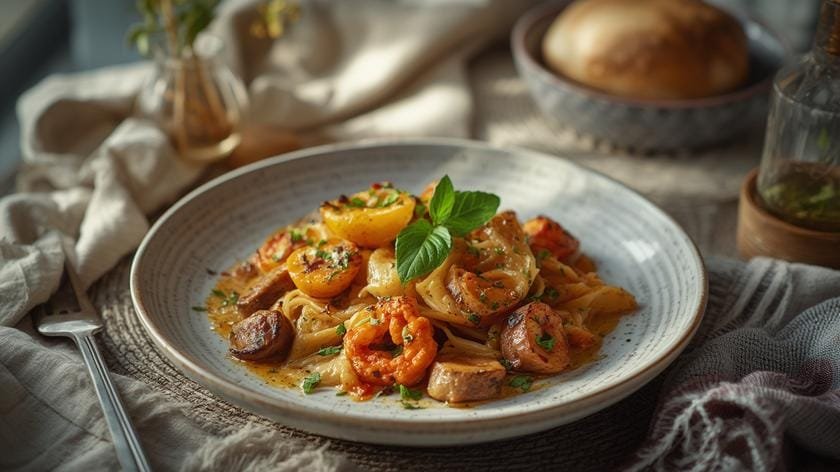
Crafting French inspired dinner recipes is less about strict replication and more about embracing a philosophy that prizes technique, seasonality, and harmonious balance. By mastering foundational methods, curating a thoughtful pantry, and practicing mindful pairing, you can consistently deliver meals that feel both refined and approachable. Whether you lean toward classic dishes like coq au vin or experiment with modern twists such as salmon en papillote, the principles outlined here will guide you toward culinary confidence.
Continue exploring, tasting, and refining; the journey toward French culinary fluency is as rewarding as the meals themselves. For further discovery, you may search for French Inspired Dinner Recipes for a Taste of Elegance or explore Bing results to deepen your repertoire.