Global Cuisine Family Friendly Tips for a Deliciously Adventurous Journey
Introducing children to the flavors of the world can be both exciting and educational, especially when the experience is crafted with global cuisine family friendly tips that respect young palates and safety concerns. By weaving together tradition, nutrition, and playful participation, families can turn dinner time into a dynamic cultural adventure that sparks curiosity and strengthens bonds.
Thank you for reading this post, don't forget to subscribe!These global cuisine family friendly tips are rooted in practical guidance, from age‑appropriate kitchen tasks to clever ways of presenting unfamiliar ingredients. When parents and caregivers adopt a mindful approach, the whole household benefits from richer meals, broader worldviews, and a lasting appreciation for the diverse culinary heritage that surrounds us.
Table of Contents
- Why Global Flavors Matter for Children
- Essential Kitchen Safety for Young Chefs
- Building a Family‑Friendly Spice Rack
- Step‑by‑Step Recipes from Five Continents
- Adapting Recipes for Picky Eaters
- Meal Planning and Budgeting Tips
- Cultural Connection Activities
Why Global Flavors Matter for Children
Exploring diverse taste profiles expands a child’s sensory vocabulary and encourages openness to new experiences. Research shows that early exposure to varied cuisines can reduce neophobia—fear of trying unfamiliar foods—and promote healthier eating patterns later in life. Parents can leverage this by integrating recognizable base ingredients while layering subtle international spices, creating dishes that feel both safe and adventurous.
A balanced approach involves pairing familiar textures with intriguing aromas. For example, a classic chicken noodle soup can be brightened with a pinch of turmeric and a drizzle of coconut milk, introducing Southeast Asian notes without overwhelming the palate. Such incremental steps nurture confidence, allowing children to associate exploration with positive outcomes.
Essential Kitchen Safety for Young Chefs
Safety is the cornerstone of any family cooking endeavor. Before the first stir, establish clear ground rules: keep knives out of reach, use blunt kitchen tools designed for small hands, and insist on wearing non‑slip footwear. Demonstrate how to properly hold a spoon, whisk, or tongs, emphasizing steady movements and the importance of staying focused.
Interactive safety drills can turn learning into a game. Create a “Chef’s Checklist” that kids can reference before each cooking session—checking that stovetops are turned off, handles are turned away, and all utensils are accounted for. Embedding a routine reduces accidents and reinforces a culture of responsibility. For more detailed guidance, discover additional safety guidelines that align with your family’s routine.
Building a Family‑Friendly Spice Rack
A well‑stocked spice rack is a passport to worldwide flavors, yet many families shy away from bold seasonings due to perceived intensity. Start with a curated selection of gentle yet distinct spices: cumin, paprika, mild curry powder, and a dash of cinnamon. Store them in clear containers with child‑proof lids, labeling each with both the name and a simple visual cue.
When introducing a new spice, involve children in the process—let them smell, touch (under supervision), and guess the origin. This tactile interaction demystifies the ingredient and fosters a sense of ownership. Incorporating global cuisine family friendly tips, you might pair a pinch of garam masala with roasted root vegetables, creating a comforting yet exotic side dish that invites curiosity.
Step‑by‑Step Recipes from Five Continents
Below are streamlined recipes that balance authenticity with kid‑friendly adjustments. Each dish includes a visual cue (color, shape) to aid recognition and a substitution guide for common allergies.
- North America – Mini Turkey & Sweet Potato Sliders: Blend ground turkey with finely diced sweet potatoes, a splash of maple syrup, and a whisper of smoked paprika. Form tiny patties and bake until golden. Serve on whole‑grain mini buns.
- South America – Mild Black Bean & Corn Quesadillas: Mash black beans with a touch of cumin, spread over a tortilla, sprinkle sweet corn and mild cheddar, then fold and grill. Slice into wedges for easy handling.
- Europe – Creamy Spinach & Ricotta Ravioli: Fill fresh pasta squares with a mixture of ricotta, spinach, and a pinch of nutmeg. Boil briefly and drizzle with a butter‑sage sauce. The bright green filling signals freshness.
- Africa – Coconut‑Infused Jollof Rice: Cook rice with tomato purée, sautéed onions, and a dash of mild chili powder. Finish with coconut milk for a silky texture that softens the heat, making it approachable for younger taste buds.
- Asia – Teriyaki Chicken Skewers: Marinate bite‑size chicken cubes in low‑sodium soy sauce, honey, and ginger. Thread onto wooden skewers with pineapple chunks, then grill. The sweet glaze balances the savory profile.
These meals draw upon the wealth of resources offered by International Cooking for Kids, which provide age‑appropriate instructions and vivid illustrations that keep children engaged throughout the preparation process.
Adapting Recipes for Picky Eaters
Even the most thoughtfully crafted menu can meet resistance. To navigate selective eating, employ the “three‑choice rule”: present the child with three options—one familiar, one slightly new, and one adventurous. This empowers them to make a decision while gently nudging the boundary of comfort.
Texture plays a pivotal role. If a child dislikes mushy foods, opt for crunchy alternatives like baked vegetable sticks or toasted whole‑grain croutons. Conversely, for children who avoid hard textures, puree components into sauces that can be mixed into pasta or rice. Pairing new flavors with a beloved dip (such as yogurt or hummus) creates a bridge that encourages tasting without pressure.
Meal Planning and Budgeting Tips
A successful global dining experience doesn’t have to strain the wallet. Begin each week by mapping out a “cuisine calendar,” assigning a different region to each day. This structured approach simplifies grocery trips and reduces waste by reusing staple ingredients across multiple meals.
Bulk‑buying pantry items—such as lentils, rice, and dried herbs—offers cost savings while ensuring you always have the building blocks for international dishes. When a recipe calls for an exotic vegetable, seek frozen alternatives that retain flavor and nutrition at a fraction of the price. For additional savings ideas, explore budget‑friendly meal ideas that align with your family’s taste preferences.
Cultural Connection Activities
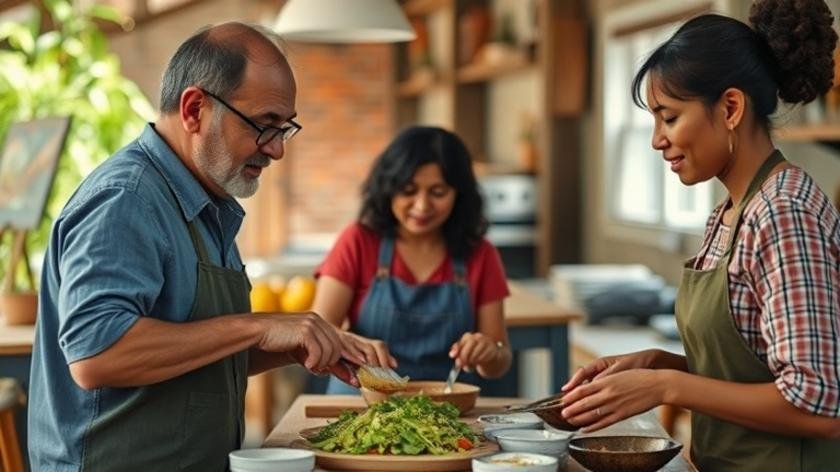
Food is a gateway to broader cultural appreciation. Pair each meal with a short storytelling session that highlights the dish’s origin, traditional celebrations, or folklore. Children can draw maps, create simple costumes, or even learn a few words in the native language, turning dinner into an immersive educational experience.
Interactive games like “Flavor Bingo” encourage kids to identify spices or ingredients they’ve tasted. You can also organize a family “passport” where each completed international meal earns a stamp, fostering a sense of achievement and motivating further exploration. Such activities align seamlessly with International Cooking for Kids curricula that blend culinary skills with cultural literacy.
Comparison of Kid‑Friendly International Dishes
| Region | Typical Dish | Key Flavor Profile | Ease of Preparation (1‑5) | Kid Appeal (1‑5) |
|---|---|---|---|---|
| North America | Mini Turkey & Sweet Potato Sliders | Sweet‑Savory, Light Smoke | 3 | 4 |
| South America | Mild Black Bean & Corn Quesadillas | Earthy, Mild Heat | 2 | 5 |
| Europe | Creamy Spinach & Ricotta Ravioli | Rich, Herbal | 4 | 4 |
| Africa | Coconut‑Infused Jollof Rice | Warm, Sweet‑Spicy | 3 | 3 |
| Asia | Teriyaki Chicken Skewers | Sweet‑Salty, Umami | 2 | 5 |
FAQ
Can I substitute fresh herbs with dried ones?
Yes, use one‑third the amount of dried herbs.
How do I manage spice heat for toddlers?
Start with a pinch and taste before adding more.
Is it safe for kids to use a kitchen knife?
Choose a plastic or butter knife and supervise closely.
What’s a quick way to introduce a new grain?
Mix half the familiar grain with half the new one.
Do I need special cookware for international recipes?
Standard pots and pans work; a wok adds authenticity.
Conclusion and Final Takeaways
Embracing global cuisine family friendly tips transforms everyday meals into vibrant learning experiences that nurture both palate and mind. By prioritizing safety, thoughtful spice selection, adaptable recipes, and cultural storytelling, families can cultivate adventurous eaters who appreciate diversity. Remember that consistency, patience, and a dash of creativity are the true ingredients of lasting culinary confidence.
For further inspiration, explore additional resources such as a search for the article title on Google: Google search, or on Bing: Bing search.