Good Habits for Easy Productivity
In an age where distractions are abundant and attention spans are fragmented, cultivating good habits easy for productivity can make the difference between a chaotic workday and a focused, results‑driven routine. The key is not to overhaul your entire schedule overnight but to introduce modest, repeatable actions that gradually reshape how you approach tasks, manage energy, and sustain momentum.
Thank you for reading this post, don't forget to subscribe!By embracing strategies that are simple to adopt yet powerful in effect, you position yourself to reap the cumulative benefits of incremental improvement. This article breaks down practical habits, the science behind them, and actionable steps that anyone can embed into daily life without feeling overwhelmed, ultimately helping you Build Healthy Habits that support long‑term productivity.
Table of Contents
- Understanding Productivity Foundations
- Simple Daily Routines for Consistent Focus
- Environmental Tweaks that Support Flow
- Mental Habits that Boost Efficiency
- Leveraging Technology without Distraction
- Comparison of Habit Implementation Strategies
- Frequently Asked Questions
- Conclusion and Final Takeaways
Understanding Productivity Foundations
Productivity does not emerge from sheer willpower; it is rooted in neuroscience, behavior design, and environmental cues. Research shows that the brain operates in cycles of high and low cognitive energy, typically aligning with ultradian rhythms that peak every 90‑120 minutes. Recognizing these natural ebbs and flows allows you to schedule demanding work during peak periods and reserve lighter tasks for troughs, thereby reducing mental fatigue.
Another foundational principle is the concept of “implementation intentions.” Rather than setting vague goals (“I’ll be more productive”), you script concrete if‑then statements (“If it is 9 AM, then I will start the first deep‑work block”). This mental shortcut bridges the intention‑action gap, making it easier to initiate the desired behavior.
Finally, the habit loop—cue, routine, reward—underlies every repeatable action. By deliberately shaping each component, you can embed new patterns that align with your productivity objectives. For instance, a cue could be a specific playlist, the routine a 10‑minute planning session, and the reward a short walk or a cup of tea. Over time, the brain learns to associate the cue with the desired outcome, reducing reliance on conscious decision‑making.
Simple Daily Routines for Consistent Focus
A well‑crafted morning routine sets the tone for the entire day. Begin with a brief mindfulness practice—five minutes of focused breathing or a gratitude journal entry—to activate the prefrontal cortex, which governs executive function and attention. Follow this with a clear “big‑three” list, identifying the three most impactful tasks you must complete. This prioritization prevents decision fatigue caused by endless to‑do list scanning.
Mid‑day, incorporate a deliberate “reset” break. Step away from screens, stretch, and hydrate. Research indicates that even a five‑minute physical movement session can elevate dopamine levels, sharpening focus for the next work block. Pair this break with a quick review of progress against your morning goals; this feedback loop reinforces momentum.
Evening wind‑down rituals are equally vital. Shut down digital devices at least thirty minutes before bedtime, dim the lights, and engage in a low‑stimulus activity—reading a physical book or practicing a musical instrument. Adequate sleep consolidates memories and clears metabolic waste from the brain, ensuring you wake refreshed and ready to repeat the cycle.
The consistency of these micro‑habits compounds over weeks, yielding noticeable gains without demanding monumental effort. As you embed these steps, you’ll find that good habits easy for productivity become the scaffolding upon which larger achievements are built.
Environmental Tweaks that Support Flow
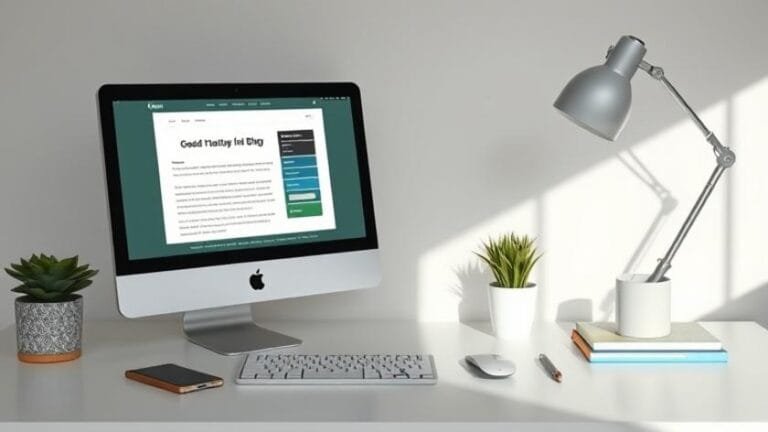
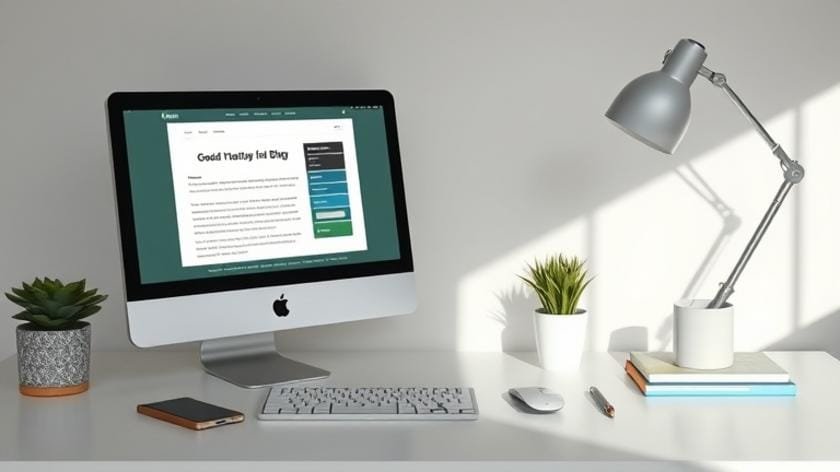
Your surroundings can either amplify concentration or trigger distraction. Start by decluttering your workspace; a clean desk reduces visual noise and signals to the brain that it is time to work. Use a “one‑in, one‑out” rule for items on the desk: for every new object introduced, remove an existing one.
Lighting plays a subtle yet powerful role. Natural daylight aligns circadian rhythms, while cool‑white LEDs (4000–5000 K) enhance alertness. Position your monitor to avoid glare, and consider a small desk lamp with adjustable brightness for late‑evening sessions.
Noise management is another crucial factor. If you thrive in silence, invest in noise‑cancelling headphones or a “quiet hour” policy with colleagues. Conversely, if ambient sound boosts focus, curate a low‑distraction playlist such as instrumental lo‑fi or nature sounds. The key is consistency—train your brain to associate a specific auditory backdrop with deep work.
Finally, digital ergonomics matter. Arrange frequently used apps and files on the primary screen, while relegating social media or messaging platforms to a secondary display. Minimizing the number of clicks required to start a task reduces friction, making it easier to transition into flow states.
Mental Habits that Boost Efficiency
Cognitive habits shape how you interpret challenges and allocate mental resources. One potent technique is “single‑tasking.” Contrary to popular belief, multitasking fragments attention and diminishes overall output. Adopt a timer‑based approach—such as the Pomodoro Technique—and commit to a single task for 25‑minute intervals, followed by a brief 5‑minute pause. Over time, the brain becomes conditioned to sustain focus for longer periods.
Another mental practice is “pre‑mortem analysis.” Before starting a project, imagine that it has failed and list possible reasons. This exercise uncovers hidden risks, allowing you to address them proactively, thereby saving time and effort later. It also encourages a growth mindset, framing setbacks as learning opportunities rather than personal shortcomings.
Positive self‑talk reinforces confidence and reduces anxiety that can derail productivity. Replace critical inner dialogue (“I’m terrible at this”) with constructive statements (“I’m improving each time”). Writing these affirmations in a visible spot—such as a sticky note on your monitor—provides a quick reminder during moments of doubt.
Lastly, cultivate “reflection loops.” At the end of each day, spend two minutes noting what worked, what didn’t, and one adjustment for tomorrow. This habit creates a feedback cycle that fine‑tunes your processes, ensuring continuous improvement without overwhelming planning sessions.
Leveraging Technology without Distraction
Digital tools can either streamline workflows or become a rabbit hole of interruptions. Begin by auditing the apps on your phone and computer. Delete or disable notifications from non‑essential apps. Use “focus modes” native to operating systems—such as macOS’s Focus or Windows’s Focus Assist—to block alerts during deep‑work periods.
Automation is a productivity ally. Simple scripts—like auto‑filing emails into labeled folders or using keyboard shortcuts for repetitive actions—reduce mental load. Platforms like Zapier or IFTTT allow you to connect disparate services; for example, automatically sending meeting notes from a Google Doc to a Slack channel.
When managing tasks, choose a single, unified system. Switching between multiple to‑do apps fragments attention and creates redundancy. A well‑structured setup in tools like Notion or Todoist—organized by project, priority, and deadline—provides a clear roadmap, preventing the “what‑should‑I‑do‑now” paralysis.
Despite these gains, remember to periodically “digital detox.” Designate at least one day per week to disconnect entirely from screens, fostering mental clarity and creative rejuvenation. This intentional break reinforces the boundary between work and rest, a critical component of sustainable performance.
Comparison of Habit Implementation Strategies
| Strategy | Ease of Adoption | Time Investment (Initial) | Long‑Term Impact | Best For |
|---|---|---|---|---|
| Micro‑morning routine (5‑minute mindfulness + big‑three) | High | 5 min | Medium‑high | All professionals |
| Workspace declutter + lighting tweak | Medium | 15 min | High | Remote workers |
| Pomodoro single‑tasking | High | 0 min (timer setup) | High | Those prone to multitasking |
| Automation via Zapier/IFTTT | Low‑medium | 30‑60 min | Very high | Tech‑savvy teams |
| Evening wind‑down (screen‑free + reading) | Medium | 10 min | Medium‑high | Sleep‑focused individuals |
Frequently Asked Questions
- Can I see results in a week? Yes, small adjustments can produce noticeable focus gains within days.
- Do I need special tools? No, most habits rely on mindset and simple equipment you already own.
- How many habits should I start with? Begin with one or two; mastery ensures sustainable growth.
- Is multitasking ever effective? It can work for low‑cognitive tasks but hinders complex problem‑solving.
- What’s the best time for deep work? Align with your personal energy peaks, often mid‑morning.

Conclusion and Final Takeaways
The journey toward higher output does not demand radical overhauls; it thrives on good habits easy for productivity that mesh seamlessly with the rhythms of your body and the design of your environment. By grounding your approach in scientific principles—ultradian cycles, implementation intentions, and habit loops—you create a resilient framework that adapts to changing workloads and life circumstances.
Remember that habit formation is a marathon, not a sprint. Start small, measure progress, and iterate. As you integrate the routines outlined above, you’ll notice a cumulative lift in focus, energy, and satisfaction. Embrace the incremental nature of change, and let each modest win reinforce the next.
For readers seeking additional perspectives, a quick search reveals a wealth of complementary strategies and community experiences.
If you found this guide helpful, consider revisiting the sections on mental habits and technology leverage; each offers deeper layers to explore as you refine your personal productivity system. Your feedback helps us improve future content, so feel free to share thoughts or suggestions.