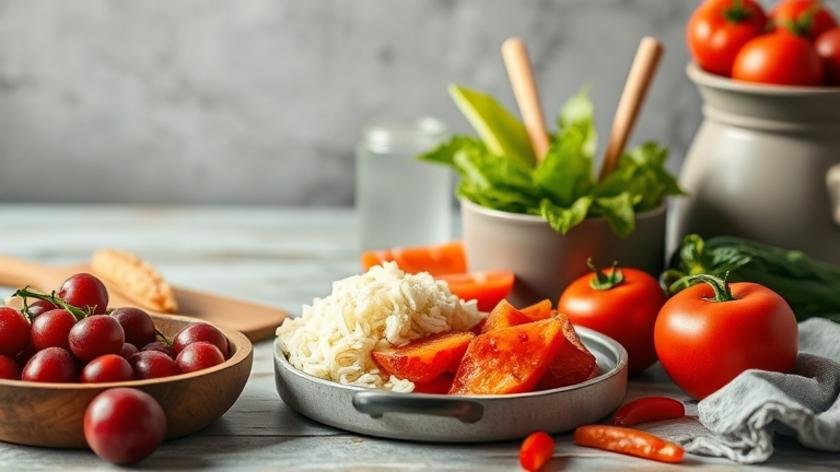
Healthy Cooking Ingredients for a Balanced Diet
In today’s fast‑paced world, the choices we make in the kitchen have a profound impact on our overall health and vitality. By prioritizing healthy cooking ingredients, we lay the groundwork for meals that nourish the body, support mental clarity, and sustain long‑term wellness.
Thank you for reading this post, don't forget to subscribe!Understanding how to combine these components with practical techniques empowers anyone—from busy professionals to culinary enthusiasts—to craft dishes that are both flavorful and nutritionally balanced. This article explores the essential categories of ingredients, offers guidance on selection and preparation, and provides tools for making informed decisions that align with a balanced diet.
Table of Contents
- Understanding Nutrient‑Rich Staples
- Fresh Produce Selection
- Whole Grains and Legumes
- Lean Proteins and Healthy Fats
- Herbs, Spices, and Flavor Enhancers
- Meal Planning and Prep Strategies
- Ingredient Comparison Table
- FAQ
- Conclusion and Final Takeaways
Understanding Nutrient‑Rich Staples
At the heart of any sustainable diet are staple foods that provide a dense nutritional profile while offering versatility in recipes. These include items such as quinoa, buckwheat, and sweet potatoes, each delivering a balance of complex carbohydrates, fiber, and micronutrients. When selecting staples, look for varieties that retain their natural pigments, as color often signals the presence of phytonutrients.
Beyond the macronutrient composition, consider the glycemic impact of each staple. Low‑glycemic options help stabilize blood sugar levels, reducing cravings and supporting energy consistency throughout the day. Integrating these foods regularly forms the backbone of a diet centered on healthy cooking ingredients.
Fresh Produce Selection
Seasonal fruits and vegetables are unrivaled sources of vitamins, minerals, and antioxidants. Opt for locally grown produce whenever possible; it typically reaches the market with minimal storage time, preserving nutrient density. Look for firm textures, vibrant colors, and intact skins as indicators of freshness.
Root vegetables like carrots and beets, leafy greens such as kale and Swiss chard, and cruciferous members like broccoli and cauliflower each bring distinct health benefits. Pairing a rainbow of colors on a plate not only enhances visual appeal but also maximizes the range of phytonutrients consumed.
Whole Grains and Legumes
Whole grains differ from refined grains in that they retain the bran, germ, and endosperm, delivering fiber, B‑vitamins, and essential minerals. Choosing options such as farro, barley, and brown rice adds sustained satiety and supports digestive health. Legumes—including lentils, chickpeas, and black beans—are protein‑rich, low‑fat, and abundant in soluble fiber, which aids cholesterol management.
When preparing legumes, consider soaking them overnight to reduce cooking time and enhance digestibility. Combining legumes with whole grains creates a complementary amino acid profile, making these pairings ideal for plant‑based nutrition plans that rely exclusively on healthy cooking ingredients.
Lean Proteins and Healthy Fats
Protein sources should be selected for leanness and nutrient density. Skinless poultry, wild‑caught fish, and plant‑based proteins such as tempeh and edamame deliver essential amino acids with minimal saturated fat. Fatty fish—salmon, mackerel, sardines—provide omega‑3 fatty acids, which support cardiovascular and cognitive health.
Healthy fat options include extra‑virgin olive oil, avocado, nuts, and seeds. These fats are poly‑ and monounsaturated, contributing to hormone regulation and absorption of fat‑soluble vitamins (A, D, E, K). Incorporating a modest amount of these fats into cooking techniques—sautéing, roasting, or dressing—ensures flavor without compromising nutritional quality.
Herbs, Spices, and Flavor Enhancers
Beyond their aromatic qualities, herbs and spices serve as potent sources of antioxidants and anti‑inflammatory compounds. Turmeric, ginger, garlic, and rosemary have been extensively studied for their health‑promoting properties. Utilizing these elements reduces reliance on excess salt, sugar, or processed flavorings.
Fresh herbs like basil, cilantro, and parsley add bright notes while contributing vitamins K and C. When building a flavor base, start with aromatics such as onions, carrots, and celery, then layer in spices at different cooking stages to develop depth and complexity. This approach maximizes taste without detracting from the nutritional integrity of the dish.

Meal Planning and Prep Strategies
Effective meal planning bridges the gap between intention and execution. Begin by inventorying the pantry, fridge, and freezer, then map out a weekly menu that highlights a variety of healthy cooking ingredients across each meal. Batch‑cooking grains and legumes on a designated “prep day” saves time and reduces food waste.
Utilize the “cook once, eat twice” principle: roast a tray of mixed vegetables, grill a lean protein, and prepare a grain bowl, then repurpose leftovers into salads, wraps, or soups. This method ensures nutritional consistency while accommodating unpredictable schedules.
For added convenience, store pre‑portioned containers of chopped produce, pre‑measured spice mixes, and ready‑to‑cook protein portions. The visual cue of a well‑organized fridge encourages adherence to wholesome choices.
Explore the full guide on balanced meal preparation for detailed templates and shopping lists that streamline the process.
Ingredient Comparison Table
| Category | Top Choice | Key Nutrients | Cooking Tips | Typical Shelf Life |
|---|---|---|---|---|
| Staples | Quinoa | Complete protein, magnesium, iron | Rinse, simmer 15 min; fluff before serving | 6 months (dry) |
| Produce | Broccoli | Vitamin C, K, folate, fiber | Steam 4‑5 min; avoid overcooking | 4‑7 days (refrigerated) |
| Grains | Farro | B‑vitamins, zinc, fiber | Soak 30 min; simmer 20‑25 min | 12 months (dry) |
| Legumes | Lentils | Protein, folate, iron | Rinse; simmer 15‑20 min (no soaking) | 1 year (dry) |
| Protein | Wild‑caught salmon | Omega‑3, vitamin D, B12 | Pan‑sear 3‑4 min per side | 2‑3 days (refrigerated) |
| Fats | Extra‑virgin olive oil | Monounsaturated fats, polyphenols | Use for dressings, low‑heat sauté | 18‑24 months (sealed) |
| Spice | Turmeric | Curcumin (anti‑inflammatory) | Add early in cooking to release flavor | 3‑4 years (dry) |
For a broader perspective, you may consult a Google search or explore a Bing search to discover additional resources and recipe ideas.
FAQ
- What are the best low‑glycemic staples? Quinoa, barley, and sweet potatoes.
- How long can cooked legumes be stored? Up to 5 days in the refrigerator.
- Which herbs boost immunity? Garlic, oregano, and thyme.
- Is olive oil safe for high‑heat cooking? Use extra‑virgin for low‑ to medium‑heat; switch to avocado oil for high heat.
- Can I replace meat with legumes fully? Yes, when combined with whole grains for complete protein.
Conclusion and Final Takeaways
Building a diet grounded in healthy cooking ingredients is less about restrictive rules and more about thoughtful selections that celebrate variety and flavor. By prioritizing nutrient-dense staples, fresh produce, whole grains, lean proteins, and vibrant herbs, you create meals that support optimal health and sustain long‑term enjoyment.
Implement the planning strategies outlined, reference the comparison table for quick decisions, and continually explore new combinations of wholesome foods. Over time, these practices become habits, fostering a resilient, balanced lifestyle that nourishes both body and mind.
Discover more insights on maintaining a balanced diet and take the next step toward lasting culinary confidence.