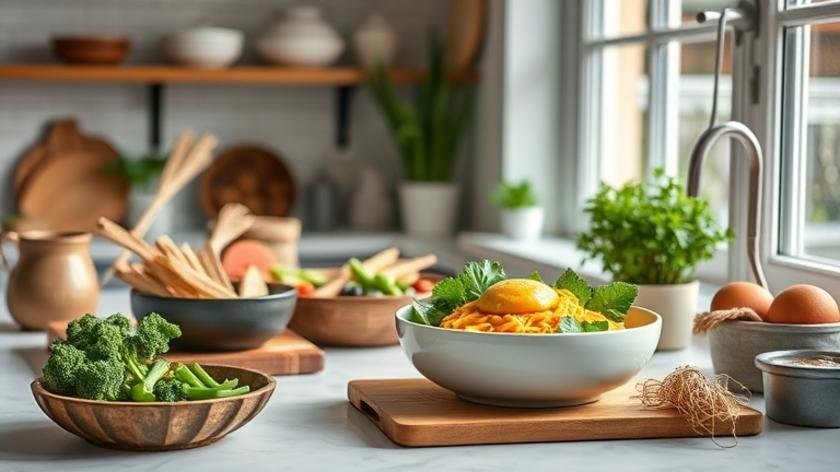
Healthy Home Cooking Tips for a Wholesome Lifestyle
Creating a sustainable, nutritious routine at the kitchen table begins with intention. By adopting healthy home cooking at home tips, families can transform everyday meals into opportunities for better health, budgeting, and enjoyment. The shift from convenience foods to mindful preparation not only reduces processed‑ingredient intake but also empowers cooks to tailor flavors, textures, and portions to individual needs.
Thank you for reading this post, don't forget to subscribe!When the entire household embraces these principles, the ripple effect extends beyond the plate—enhancing energy levels, supporting immune function, and fostering a deeper connection to food sources. The following guide outlines practical strategies that turn good intentions into lasting habits, using evidence‑based approaches and real‑world examples.
Table of Contents
- Meal Planning Basics
- Shopping Smart
- Ingredient Prep Techniques
- Cooking Methods for Nutrition
- Flavor without Excess Salt
- Portion Control Strategies
- Incorporating Seasonal Produce
- Kitchen Tools that Support Health
- Managing Food Waste
- Maintaining Consistency Over Time
- Comparison Table
- FAQ
- Conclusion and Final Takeaways
Meal Planning Basics
Successful home cooking starts on paper—or a digital note‑taking app. Begin by mapping out a weekly menu, balancing protein, whole grains, and vegetables in each meal. Allocate “theme nights” (e.g., Mexican, Mediterranean) to simplify decision‑making and keep dinners exciting. Use a spreadsheet or a free template to list each dish, required ingredients, and estimated prep time.
One of the most effective ways to stay on track is to set a dedicated planning hour each Sunday. During this session, review pantry staples, note any gaps, and create a concise shopping list. By visualizing the entire week, you reduce impulse purchases, cut food costs, and ensure that every meal aligns with nutritional goals.
Shopping Smart
When you step into the grocery aisle, let your pre‑written list dictate the cart. Prioritize the perimeter of the store where fresh produce, lean proteins, and dairy reside; the interior aisles typically house processed items high in sodium and added sugars. Choose unprocessed homemade cooking recipes that rely on whole foods, and compare unit prices to stretch the budget further.
Seasonal produce not only tastes better but also costs less. Visit local farmers’ markets or join a community‑supported agriculture (CSA) program to access peak‑fresh items. Don’t overlook bulk bins for nuts, seeds, and grains—just portion them into resealable containers to avoid over‑consumption.
Ingredient Prep Techniques
Investing a few minutes in batch preparation can shave hours off nightly cooking. Wash and chop vegetables as soon as you bring them home; store them in airtight containers to maintain crispness. Cook large quantities of whole grains—such as quinoa, brown rice, or farro—and freeze portioned servings for quick assembly.
Proteins also benefit from pre‑cooking. Grill or bake chicken breasts, plant‑based beans, or tofu in bulk, then slice and refrigerate. By having ready‑to‑use components, you can assemble balanced plates in under ten minutes, reducing reliance on takeout.
Cooking Methods for Nutrition
The way food is cooked profoundly impacts its nutrient profile. Steaming preserves water‑soluble vitamins better than boiling, while roasting enhances flavor without the need for excessive oil. Incorporate quick‑sauté techniques using a splash of broth instead of butter, and experiment with pressure cooking to retain vitamins in legumes and root vegetables.
When following healthy home cooking at home tips, aim for a mix of moist‑heat (steaming, poaching) and dry‑heat (roasting, grilling) methods. This variety ensures that meals remain interesting while maximizing nutrient retention.
Flavor without Excess Salt
Salt is often the easiest way to boost taste, but overuse can undermine health goals. Replace it with aromatic herbs, citrus zest, vinegars, and spices. A pinch of smoked paprika, a dash of ginger, or fresh basil can deliver depth without sodium spikes.
Creating a “flavor base” at the start of cooking—such as sautéed onions, garlic, and a splash of low‑sodium broth—lays a foundation for savory dishes. Taste frequently and adjust with acidity (lemon juice, balsamic) rather than reaching for the salt shaker.
Portion Control Strategies
Even nutrient‑dense foods can contribute to excess calorie intake if portions are oversized. Use the “plate method”: half the plate filled with non‑starchy vegetables, a quarter with lean protein, and the remaining quarter with whole grains or starchy vegetables. This visual guide simplifies serving sizes without counting calories.
Invest in a set of portion‑size containers or a kitchen scale for the first few weeks. Over time, your eyes will learn to estimate appropriate amounts, making the process more intuitive during everyday meals.
Incorporating Seasonal Produce
Seasonal fruits and vegetables are at their nutritional peak, offering higher antioxidant levels and more vivid flavors. Spring brings asparagus and peas; summer offers tomatoes, berries, and corn; autumn introduces squash and root vegetables; winter highlights cruciferous greens and citrus.
Rotate your weekly menus to align with what’s freshest. This not only diversifies micronutrient intake but also keeps cooking exciting. When a new seasonal item appears at the market, brainstorm two‑recipe ideas to integrate it into your plan.
Kitchen Tools that Support Health
Equip your kitchen with tools that make nutritious cooking effortless. A quality chef’s knife speeds up prep, while a mandoline ensures uniform vegetable slices for even roasting. Steam baskets, air fryers, and slow cookers enable low‑fat cooking methods with minimal supervision.
Consider a digital food scale for precise portioning, and a set of glass storage containers for easy meal‑prepping and reheating. discover essential appliances that can transform a chaotic kitchen into an organized health hub.
Managing Food Waste
Reducing waste is a core component of sustainable cooking. Store fresh herbs in a glass of water, covered with a plastic bag, to prolong life. Freeze ripe fruit for smoothies, and repurpose vegetable scraps into homemade broth.
Plan for leftovers by designing dishes that taste better the next day—think grain bowls, soups, or casseroles. When you intentionally incorporate leftovers, you not only save money but also lessen the environmental impact of discarded food.
Maintaining Consistency Over Time
Long‑term success hinges on realistic expectations and incremental habit building. Start with one new healthy home cooking at home tips each week—perhaps swapping a fried side for roasted vegetables—before expanding to a full‑menu makeover.
Track progress using a simple journal: note what worked, challenges faced, and any health improvements observed. Celebrate small wins, such as reduced takeout frequency or discovering a favorite seasonal salad. Consistency, not perfection, drives lasting change.

Comparison Table
| Cooking Aspect | Traditional Approach | Optimized healthy home cooking at home tips | Potential Benefits |
|---|---|---|---|
| Meal Planning | Ad‑hoc, no structure | Weekly menu with balanced macros | Reduced food waste, better nutrition |
| Shopping | Impulse buying, processed foods | List‑driven, seasonal focus | Cost savings, higher micronutrient intake |
| Cooking Method | Deep‑fried, heavy sauces | Steaming, roasting, minimal oil | Lower saturated fat, retained vitamins |
| Flavor Enhancement | Excess salt, butter | Herbs, spices, acid balance | Reduced sodium, richer taste profile |
| Portion Control | Plate‑overload | Plate method, measured servings | Stable weight management, mindful eating |
FAQ
Q: How often should I update my meal plan?
A: Refresh it weekly to adapt to schedules and seasonal produce.
Q: Can I apply these tips on a tight budget?
A: Yes; bulk buying, seasonal items, and batch cooking stretch dollars.
Q: Are there quick‑prep options for busy weekdays?
A: Pre‑chopped veggies and pre‑cooked proteins reduce cook time to under 15 minutes.
Q: What’s the best way to store fresh herbs?
A: Place stems in water, cover loosely, and refrigerate.
Q: How do I manage cravings for salty snacks?
A: Opt for roasted chickpeas or air‑popped popcorn seasoned with herbs.

Conclusion and Final Takeaways
Integrating healthy home cooking at home tips into daily life is a measurable investment in personal well‑being, financial health, and environmental stewardship. By planning meals, shopping intentionally, mastering nutrient‑preserving cooking methods, and embracing seasonal flavors, anyone can transition from reactive eating to a proactive, wholesome lifestyle.
Begin with modest changes—perhaps a single weekly menu or swapping an oil‑heavy side for a roasted vegetable medley—and build momentum from there. Consistency, informed choices, and a willingness to experiment will turn these strategies into lasting habits. For those ready to deepen their practice, learn how to create weekly menus that reflect both taste preferences and nutritional goals. Happy cooking!