
Healthy Sleep at Home Evening Routine
In today’s hyper‑connected world, the line between day and night often blurs, leaving many people scrambling for restorative rest. Establishing a consistent healthy sleep at home evening routine can act as a powerful buffer against the constant buzz of screens, work emails, and daylight cravings, guiding the body back into its natural circadian rhythm.
Thank you for reading this post, don't forget to subscribe!When the sunset signals the body to unwind, a well‑crafted routine rooted in solid sleep hygiene practices not only shortens the time it takes to fall asleep but also improves sleep quality, mood, and overall health. Below, we explore evidence‑based steps that transform an ordinary night into a restorative experience.
Table of Contents
- Importance of an Evening Routine
- Step‑by‑Step Blueprint
- Optimizing Your Bedroom Environment
- Nutrition, Hydration, and Caffeine Management
- Managing Light, Screens, and Technology
- Mindful Practices to Wind Down
- Tracking Progress and Adjusting
- Common Pitfalls and How to Avoid Them
- Comparison Table
- FAQ
- Conclusion and Final Takeaways
Importance of an Evening Routine
Human physiology follows a roughly 24‑hour cycle, known as the circadian rhythm, which regulates hormone release, body temperature, and alertness. When you consistently cue the body that bedtime is approaching, you synchronize these internal clocks, making it easier to transition from wakefulness to sleep. Research shows that people who follow a structured nighttime schedule tend to spend more time in deep, restorative sleep stages, which are crucial for memory consolidation and cellular repair.
Beyond the physiological benefits, an intentional routine reduces mental chatter. By performing the same calming actions each night, the brain learns to associate those behaviors with “sleep time,” creating a Pavlovian response that accelerates the onset of sleep. This psychological safety net is especially valuable for those prone to anxiety or racing thoughts.
Step‑by‑Step Blueprint for a healthy sleep at home evening routine
Below is a practical, hour‑by‑hour guide that you can adapt to your own schedule. Feel free to customize the timing based on work hours, family commitments, or personal preferences.
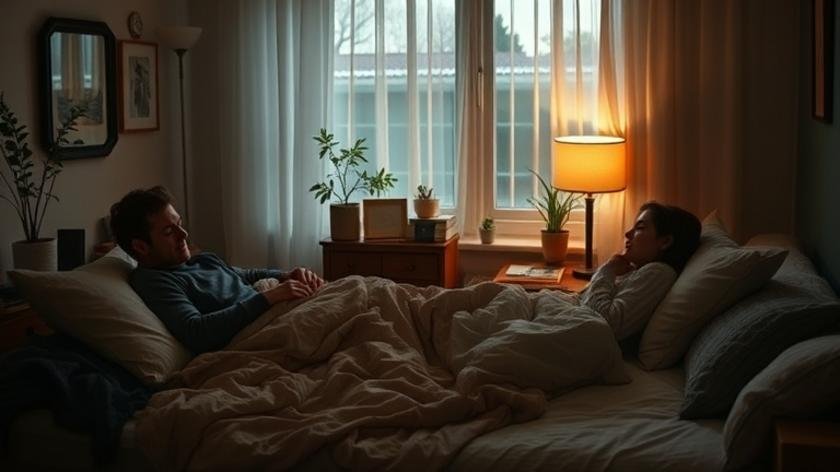
- Two Hours Before Bed: Begin winding down. Dim the lights, turn off high‑intensity screens, and switch to a soft lamp. This early cue starts melatonin production, the hormone that encourages sleep.
- One and a Half Hours Before Bed: Engage in a low‑stress activity—light reading, gentle stretching, or a short meditation. Avoid vigorous exercise, as it spikes adrenaline.
- One Hour Before Bed: Prepare your bedroom environment. Lower the thermostat to around 65 °F (18 °C), arrange pillows, and ensure the space is clutter‑free. This is also the moment to commit to a sleep hygiene rule: no screens in the bedroom.
- 45 Minutes Before Bed: Sip a warm, non‑caffeinated beverage, such as herbal tea or warm milk. This not only hydrates but also promotes a calming effect.
- 30 Minutes Before Bed: Perform a brief mindfulness routine—focus on breath, body scanning, or gratitude journaling. This reduces cortisol, the stress hormone that can impede sleep.
- 15 Minutes Before Bed: Complete a quick bathroom routine, brush teeth, and set an alarm for the next morning.
- Lights Out: Lie down, close your eyes, and breathe deeply. If thoughts arise, acknowledge them and gently return attention to the breath.
Adhering to this sequence for at least three weeks typically yields measurable improvements in sleep latency and overall restfulness. For more in‑depth guidance, see our comprehensive step‑by‑step guide that includes printable checklists.
Optimizing Your Bedroom Environment
A bedroom that feels like a sanctuary sets the stage for uninterrupted slumber. Consider the following factors:
- Temperature: Cooler rooms help lower core body temperature, a prerequisite for falling asleep.
- Lighting: Use blackout curtains or an eye mask to block external light, which can suppress melatonin.
- Noise: White‑noise machines, fans, or earplugs can mask disruptive sounds.
- Bedding: Choose a mattress that supports spinal alignment and breathable fabrics that wick away moisture.
Regularly declutter the space; visual chaos can translate into mental clutter, making it harder to relax. A tidy bedroom also signals to your brain that the area is dedicated solely to rest.
Nutrition, Hydration, and Caffeine Management
What you consume in the hours leading up to bedtime directly influences sleep architecture. Heavy, spicy, or fatty meals can cause indigestion, while excessive liquids may lead to nighttime awakenings. Aim for a light snack if you’re hungry—something containing tryptophan (e.g., turkey, bananas, or nuts) can promote serotonin production.
Limit caffeine after mid‑afternoon; its half‑life ranges from 3 to 7 hours, meaning it can linger well into the night. Similarly, alcohol may initially feel sedating but disrupts REM sleep later in the cycle.
Managing Light, Screens, and Technology
Blue light emitted from smartphones, tablets, and laptops interferes with melatonin synthesis. To mitigate this:
- Activate night‑mode or blue‑light filters after sunset.
- Consider wearing amber‑tinted glasses if you must use devices.
- Set a “digital curfew” at least 60 minutes before bed.
For those who rely on an alarm, a traditional mechanical clock eliminates the temptation to check a phone screen overnight.
Mindful Practices to Wind Down
Gentle mindfulness exercises calm the nervous system and shift focus away from daily stressors. Popular techniques include:
- 4‑7‑8 Breathing: Inhale for 4 seconds, hold for 7, exhale for 8.
- Progressive Muscle Relaxation: Tense and release muscle groups from toes to head.
- Guided Imagery: Visualize a peaceful setting—beach, forest, or mountain lodge.
Even a five‑minute session can lower heart rate, making the transition to sleep smoother.
Tracking Progress and Adjusting
Keep a simple sleep diary or use a wearable device to monitor sleep onset, duration, and quality. Review the data weekly and note patterns—perhaps you notice that occasional late‑night caffeine spikes wake‑up frequency.
Based on observations, fine‑tune your routine. For instance, if you find that reading a printed book works better than an e‑reader, replace the digital habit. Incremental adjustments are key to building a habit that sticks.
Common Pitfalls and How to Avoid Them
Even the most well‑planned routine can stumble. Below are frequent obstacles and practical solutions:
| Pitfall | Solution |
|---|---|
| Inconsistent bedtime | Set a non‑negotiable “lights‑out” time, even on weekends. |
| Screen temptation | Place devices in another room during the “digital curfew.” |
| Room temperature too high | Use a programmable thermostat or a fan. |
| Late‑night snacking | Plan a balanced dinner and a light, protein‑rich snack earlier. |
| Stress‑induced rumination | Incorporate a brief journaling segment before meditation. |
By anticipating these challenges, you can preserve the integrity of your healthy sleep at home evening routine and prevent setbacks.
Comparison Table: Minimal vs. Moderate vs. Comprehensive Routines
| Aspect | Minimal (5‑minute) | Moderate (15‑minute) | Comprehensive (30‑minute+) |
|---|---|---|---|
| Core Activities | Dim lights, basic breathing | Light reading + breathing + stretch | All moderate steps + journaling, aromatherapy, detailed hygiene |
| Expected Sleep Latency Reduction | 5‑10 minutes | 10‑20 minutes | 20‑30 minutes |
| Time Investment | 5 min | 15 min | 30 min+ |
| Best For | Busy professionals | Individuals with mild sleep issues | Chronic insomniacs or those seeking optimal performance |
Choose the tier that aligns with your lifestyle and incrementally upgrade as you become comfortable. The key is consistency, not complexity.
FAQ
- How long does it take to see results? Usually 2‑3 weeks of consistent practice.
- Can I nap during the day? Short 20‑minute power naps are fine; avoid longer daytime sleep.
- Is white noise necessary? Helpful for light sleepers but not essential.
- Should I use a sleep tracker? It offers insights, but trust your body’s signals too.
- What if I can’t fall asleep within 20 minutes? Get up, do a calming activity, and try again.
- Do I need a new mattress? Replace only if it’s older than 7‑10 years or uncomfortable.

Conclusion and Final Takeaways
Crafting a deliberate healthy sleep at home evening routine blends science, habit formation, and personal preference. By aligning your environment, nutrition, technology use, and mindfulness practices, you create a multi‑layered defense against insomnia and fragmented rest.
Start small, track your progress, and refine each component until the routine feels effortless. Over time, the cumulative effect will be clearer mind, steadier mood, and the rejuvenating sleep your body craves. For a deeper dive into each step, explore our detailed guide and consider searching for additional resources online: Google search or Bing search.
Implement the practices outlined above, give them a few weeks, and you’ll likely notice a measurable boost in sleep quality and daytime performance. Consistency is the cornerstone of success.