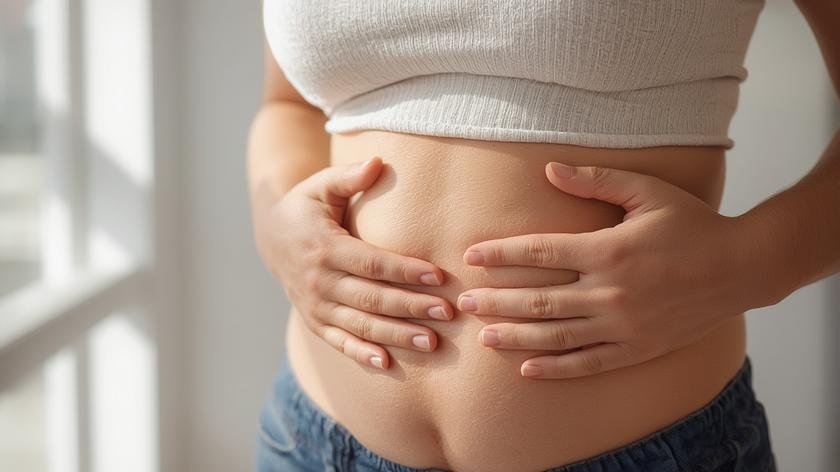
Home Remedies for Bloating Relief
Feeling uncomfortably full after a meal is a common experience, yet many people don’t realize that simple adjustments at home can often ease the pressure. Understanding the digestive process and pinpointing the triggers behind abdominal swelling lay the groundwork for effective relief. By exploring home remedies for bloating relief, readers can empower themselves with practical, low‑risk solutions that fit into everyday life.
Thank you for reading this post, don't forget to subscribe!This article walks you through evidence‑based strategies, from dietary tweaks to gentle herbs, that target the underlying causes of gas and distension. Whether you’re seeking quick comfort or a longer‑term plan, the guidance below highlights the most reliable home remedies for bloating relief without relying on prescription medication or costly treatments.
Table of Contents
- Understanding Bloating
- Dietary Adjustments
- Herbal and Natural Strategies
- Lifestyle Practices
- Comparison of Popular Home Remedies
- Frequently Asked Questions
- Conclusion and Final Takeaways
Understanding Bloating
Bloating occurs when excess gas builds up in the gastrointestinal tract or when the intestines retain fluid. Common culprits include high‑FODMAP foods, carbonated beverages, and rapid eating, which introduces air into the stomach. Hormonal fluctuations, especially during menstruation, can also affect gut motility, leading to temporary swelling. Recognizing these patterns helps you target the right interventions rather than masking symptoms with temporary fixes.
A useful first step is a simple food diary. By noting what you eat,‑drink, and how you feel within two hours afterward, you can identify trigger foods with greater precision. Over time, this information guides the selection of specific home remedies for bloating relief that address your unique digestive profile.
Dietary Adjustments
Modifying what sits on your plate can dramatically reduce gas production. Below are evidence‑backed adjustments that are easy to adopt:
- Low‑FODMAP vegetables: carrots, zucchini, and spinach are gentler on the gut compared to onions, garlic, and cruciferous vegetables.
- Hydration: drinking 1.5‑2 L of water daily supports regular bowel movements and prevents constipation‑related bloating.
- Mindful eating: chew each bite 20–30 times, and avoid talking while chewing to limit swallowed air.
- Probiotic‑rich foods: kefir, sauerkraut, and kimchi introduce beneficial bacteria that balance intestinal flora.
- Limited carbonated drinks: the CO₂ in soda adds extra gas; opt for still water or herbal teas instead.
Implementing these changes gradually allows the gut to adapt without causing abrupt discomfort. For readers looking for a quick reference, simple dietary guidelines can be bookmarked and consulted before grocery shopping.
Herbal and Natural Strategies
Certain herbs have carminative properties, meaning they help expel trapped gas and soothe intestinal muscles. Natural remedies for bloating that consistently appear in clinical studies include:
- Peppermint oil: 0.2 mL of enteric‑coated capsules taken 30 minutes before meals can relax the lower esophageal sphincter and reduce spasms.
- Fennel seeds: chewing a teaspoon after meals stimulates digestive enzymes and alleviates gas.
- Ginger: fresh ginger tea (1 inch grated in 250 ml hot water) accelerates gastric emptying.
- Chamomile: a warm cup before bedtime calms inflammation and promotes relaxation.
These botanicals can be combined safely, but it’s advisable to start with a single agent to gauge tolerance. When used consistently, they form a cornerstone of home remedies for bloating relief without the side effects associated with over‑the‑counter antacids.

Lifestyle Practices
Beyond food, everyday habits influence digestive comfort. Integrating the following practices can sustain long‑term relief:
- Regular physical activity: a 20‑minute walk after meals encourages peristalsis and reduces gas buildup.
- Stress management: cortisol spikes can slow digestion; techniques such as deep‑breathing, yoga, or meditation help keep the gut calm.
- Posture awareness: sitting upright while eating and avoiding slouching after meals aids the passage of food through the esophagus.
- Avoid tight clothing: compression around the abdomen may exacerbate discomfort.
For readers interested in holistic improvement, exploring lifestyle adjustments provides a clear roadmap that complements dietary and herbal measures.
Comparison of Popular Home Remedies
| Remedy | How It Works | Typical Dose | Pros | Cons |
|---|---|---|---|---|
| Peppermint Oil | Relaxes smooth muscle, reduces spasms | 0.2 mL capsule before meals | Fast‑acting, widely available | May aggravate reflux in sensitive individuals |
| Fennel Seeds | Stimulates digestive enzymes | 1 tsp chewed post‑meal | inexpensive, easy to use | Flavor may be strong for some |
| Ginger Tea | Speeds gastric emptying | 1 inch fresh root in 250 ml water | Soothing, anti‑inflammatory | Can cause mild heartburn if over‑consumed |
| Chamomile Tea | Reduces inflammation, relaxes muscles | 1 cup before bedtime | Gentle, promotes sleep | Allergic potential for ragweed‑sensitive users |
| Probiotic Yogurt | Balances gut microbiota | ½ cup daily | Supports overall digestive health | May contain added sugars |
The table equips readers with a quick reference to decide which home remedies for bloating relief align best with personal preferences and tolerance.

Frequently Asked Questions
- Can bloating be a sign of a serious condition? Persistent, severe bloating may indicate IBS, celiac disease, or gallbladder issues; consult a clinician.
- How quickly do herbal remedies work? Most provide noticeable relief within 30 minutes to a few hours.
- Are there any foods I should completely avoid? High‑FODMD items like beans, onions, and certain fruits can exacerbate gas for many.
- Is exercise really necessary? Light activity after meals aids digestion and reduces gas buildup.
- Do probiotic supplements help? Yes, especially strains Bifidobacterium and Lactobacillus have shown benefit for bloating.
Conclusion and Final Takeaways
Addressing uncomfortable abdominal distension doesn’t require expensive drugs or invasive procedures. By integrating targeted home remedies for bloating relief—such as mindful eating, selective herbs, and gentle movement—you can restore comfort and support healthy digestion. For ongoing guidance, consider revisiting this guide whenever you notice new patterns, and feel empowered to experiment within the safe, natural framework presented here.
For further exploration, you may search for more information to stay updated on emerging research and community insights.