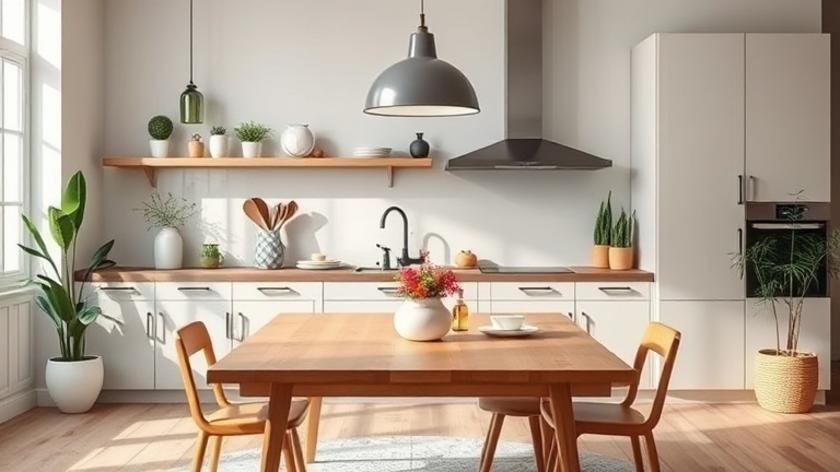
Home Tips for Busy People: A Practical Guide
Living in a fast‑paced world often means that home‑related tasks feel like an endless to‑do list. When errands, work meetings, and family commitments collide, it’s easy to let household upkeep slip, resulting in cluttered spaces that sap energy and focus. That’s why a well‑structured home tips for busy people guide can be a game‑changer: it distills essential habits into bite‑size actions that fit into even the most cramped schedules, turning chaos into calm without demanding a full‑time overhaul.
Thank you for reading this post, don't forget to subscribe!The key to lasting improvement lies not in isolated hacks but in building a sustainable routine that aligns with your daily flow. By integrating strategic decluttering, efficient cleaning methods, and smart storage solutions, you create a living environment that supports productivity rather than hindering it. Below, you’ll find a comprehensive roadmap that respects both the constraints of a busy lifestyle and the desire for a comfortable, organized home.home tips for busy people guide
## Table of Contents
– [quick-declutter-techniques](#quick-declutter-techniques)
– [time-savvy-cleaning-strategies](#time-savvy-cleaning-strategies)
– [smart-storage-solutions](#smart-storage-solutions)
– [energy-efficient-home-maintenance](#energy-efficient-home-maintenance)
– [digital-tools-for-home-management](#digital-tools-for-home-management)
– [comparison-of-popular-home-help-methods](#comparison-of-popular-home-help-methods)
– [faq](#faq)
– [conclusion-and-final-takeaways](#conclusion-and-final-takeaways)
## Quick Declutter Techniques
A cluttered entryway or kitchen counter can set a stressful tone for the entire day. Start with the “one‑minute rule”: if an item can be put away in sixty seconds, do it immediately. For larger piles, apply the “four‑box method” (keep, donate, trash, relocate). This visual sorting system forces rapid decision‑making and prevents lingering indecision that eats up mental bandwidth.
Prioritize high‑traffic zones first—near the sink, the coffee station, and the front door—because these areas generate the most daily friction. Keep a small basket in each zone for items that belong elsewhere; empty it at the end of the day to maintain momentum. When you notice recurring items (like keys or mail), create a designated docking spot using a wall‑mounted organizer. This simple visual cue eliminates the frantic search routine that many busy individuals experience.
## Time‑Savvy Cleaning Strategies
Cleaning doesn’t have to dominate your weekend. Adopt the “15‑minute blitz” approach: set a timer, pick a room, and focus on high‑impact tasks such as wiping surfaces, sweeping floors, and emptying trash. Repeating this short burst once or twice daily maintains a baseline of cleanliness that feels far less overwhelming than a deep‑clean marathon.
Leverage multitasking wisely. While coffee brews, quickly wipe down the stovetop; during a conference call, dust a nearby shelf with a microfiber cloth. To reduce the frequency of heavy cleaning, use “no‑shoes‑inside” policies and place mats at entryways to trap dirt. Additionally, invest in a quality robot vacuum that runs on a schedule; it handles daily floor maintenance, freeing you for higher‑priority tasks.
Smart storage ideas integrate seamlessly with these cleaning habits, ensuring that items have a home and surfaces stay clear.
## Smart Storage Solutions
Effective storage is the backbone of any functional home, especially when time is limited. Begin by assessing the vertical space in each room; installing shelves or hanging organizers can dramatically increase capacity without consuming floor area. In closets, use uniform hangers and matching bins to create a cohesive visual system that simplifies outfit selection.
Utilize “zone‑based” storage: group items by activity (e.g., a “home office” bin for stationery, a “cooking” basket for utensils). Clearly label each zone using simple icons or text. Transparent containers are especially useful because they allow you to see contents at a glance, reducing the time spent rummaging.
For smaller apartments, consider furniture with built‑in storage— ottomans, coffee tables with drawers, or beds with under‑frame compartments. These dual‑purpose pieces minimize the need for extra cabinets and keep essential items within easy reach.
The principles outlined here mirror those found in a detailed Home Organization Guide, reinforcing that systematic storage is a cornerstone of sustained order.
## Energy‑Efficient Home Maintenance
Busy schedules often lead to neglecting appliances and systems that, if left unchecked, waste both time and money. Conduct a quarterly “energy audit” lasting no more than ten minutes: inspect refrigerator seals, clean dryer lint filters, and check HVAC vents for dust blockage. Simple actions like tightening faucet aerators and swapping to LED bulbs reduce utility costs and lower the frequency of major repairs.
Set schedule reminders on your phone for routine tasks—filter replacements, battery checks for smoke detectors, and water heater flushes. When the reminder pops up, allocate a five‑minute window to complete the task; over a year, these micro‑investments safeguard against costly emergencies that can disrupt a busy calendar.
Integrating these maintenance habits into your daily or weekly routine ensures that home systems run smoothly, allowing you to focus on personal and professional priorities.
## Digital Tools for Home Management
Technology can streamline household responsibilities, turning chaos into clarity. Start with a shared calendar (Google Calendar or Microsoft Outlook) that marks cleaning days, bill due dates, and grocery restock alerts. Sync the calendar across family members’ devices to distribute chores equitably and avoid duplication of effort.
Task‑management apps such as Todoist or Trello enable you to create reusable templates—for example, a “Weekly Cleaning Sprint” checklist that can be duplicated each week with a single click. Combine these tools with voice assistants (Alexa, Google Assistant) to add items hands‑free; saying “Hey Google, add milk to my grocery list” saves a mental note and reduces missed items.
If you prefer a more visual approach, use photo‑based inventory apps to catalog stored items. Photograph the contents of each storage bin and tag it; later, a quick search reveals where things are, eliminating the time spent opening multiple boxes.
Daily maintenance checklist can be coded into a simple spreadsheet that pulls data from these apps, providing a single‑pane view of household status.
## Comparison of Popular Home‑Help Methods
Below is an evaluation of three common approaches for busy households: professional cleaning services, DIY time‑boxing, and hybrid automation. The table highlights cost, time commitment, flexibility, and long‑term sustainability.
| Method | Average Monthly Cost | Time Required per Week | Flexibility | Long‑Term Sustainability |
|---|---|---|---|---|
| Professional Cleaning Service | $150‑$250 | 0 h (outsourced) | High (schedule adjusts) | Medium (costly, but consistent) |
| DIY Time‑Boxing (15‑min blitzes) | $0 | 2‑3 h | Medium (requires discipline) | High (no recurring expense) |
| Hybrid Automation (robot vacuum + apps) | $70‑$120 (device + app) | 1 h (setup & monitoring) | High (runs autonomously) | High (initial investment pays off) |
When evaluating which method aligns with your lifestyle, consider both the monetary outlay and the mental bandwidth each demands. For many, a hybrid approach—leveraging a robot vacuum plus concise daily blitzes—offers the optimal balance of convenience and cost‑effectiveness.
## FAQ
**Q1: How often should I declutter?**
A: Aim for a 10‑minute session once a week, focusing on high‑traffic zones.
**Q2: Can a robot vacuum replace manual sweeping?**
A: It handles daily debris; occasional spot‑cleaning is still advisable.
**Q3: What’s the fastest way to organize kitchen drawers?**
A: Use compartmentalized inserts and the vertical “stack‑and‑store” method.
**Q4: How do I remember quarterly home maintenance?**
A: Set calendar reminders; allocate a 5‑minute slot when alerted.
**Q5: Are digital task apps worth the learning curve?**
A: Yes, they centralize tasks, saving time in the long run.
**Q6: Should I invest in professional cleaning?**
A: If budget permits, it frees time for high‑impact activities.

## Conclusion and Final Takeaways
Sustaining a tidy, functional home while juggling a packed agenda is far from impossible; it simply requires deliberate, bite‑sized actions that become second nature. By integrating quick declutter habits, time‑savvy cleaning bursts, purposeful storage, routine energy maintenance, and supportive digital tools, you construct a resilient framework that reduces daily friction.
Remember that consistency outweighs intensity: a few minutes each day compound into a dramatically improved living space over weeks and months. Apply the strategies outlined in this home tips for busy people guide, adapt them to your unique rhythm, and you’ll discover that a well‑organized home can actually enhance—not hinder—your productivity and peace of mind.
For further exploration, feel free to search for Home Tips for Busy People: A Practical Guide and uncover additional perspectives that complement the principles discussed here.
—
*Ready to put these ideas into practice? Review your current routines, select one section to implement this week, and observe the difference.*