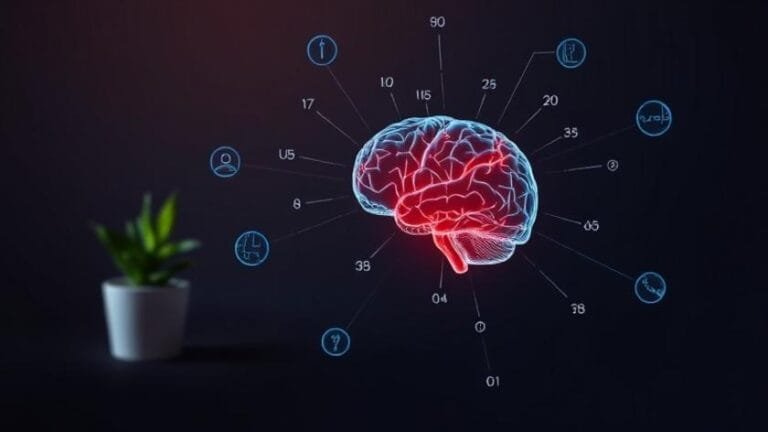
Intrinsic Motivation Explained
Understanding what drives people to engage in activities for their own sake is essential for anyone interested in education, leadership, or personal development. When intrinsic motivation explained, the focus shifts from external rewards to the inner satisfaction that fuels sustained effort, creativity, and resilience.
Thank you for reading this post, don't forget to subscribe!Grasping the nuances of this concept helps organizations design environments where employees thrive without constant supervision, and learners pursue knowledge because it feels meaningful. This article dissects the theory, the neuroscience, practical applications, and common misconceptions so that you can apply the insights confidently in real‑world settings.
Table of Contents
- Understanding the Concept
- Psychological Theories Behind It
- Neuroscience of Inner Drive
- Practical Process of Application
- Comparative Analysis
- FAQ
- Conclusion and Final Takeaways
Understanding the Concept
The term refers to the internal impetus that arises when an activity aligns with personal values, curiosity, or a sense of mastery. Unlike extrinsic incentives—such as bonuses, grades, or praise—this inner pull sustains behavior even when external rewards vanish. Researchers distinguish between “controlled motivation,” which feels pressured, and authentic, self‑directed enthusiasm that fuels long‑term commitment.
A pivotal insight is that intrinsic drive is not a fixed trait but a dynamic state that can be nurtured or undermined by context. Environments that support autonomy, provide mastery‑oriented feedback, and emphasize relevance tend to amplify the inner desire to learn and create.
Psychological Theories Behind It
Multiple frameworks converge on the importance of internal satisfaction:
- Self‑Determination Theory (SDT) identifies autonomy, competence, and relatedness as three universal psychological needs. When these are satisfied, individuals experience heightened intrinsic engagement.
- Flow Theory describes a state where challenge matches skill, leading to deep absorption and enjoyment.
- Expectancy‑Value Theory suggests that people pursue tasks they expect to succeed in and value intrinsically.
In each model, the central driver is a sense of volition rather than coercion. When you see the interplay of these theories, the broader picture of why people act without tangible rewards becomes clearer.
Neuroscience of Inner Drive
Neuroimaging studies reveal that intrinsic engagement lights up the brain’s reward circuitry—particularly the ventral striatum and medial prefrontal cortex—without external stimulus. Dopamine release during self‑chosen activities reinforces the behavior, turning curiosity into a self‑sustaining loop.
Moreover, the default mode network (DMN) deactivates when people are fully immersed, indicating a shift from self‑referential thinking to task‑focused processing. This neural efficiency explains why intrinsically motivated individuals often report higher creative output and lower burnout rates.
Practical Process of Application
Translating theory into practice requires systematic steps. Below is a repeatable framework that leaders, teachers, and coaches can adopt:
- Clarify Purpose – Encourage individuals to articulate personal meaning behind a task.
- Design Autonomy‑Rich Options – Offer choices in methods, timing, or tools.
- Provide Mastery‑Focused Feedback – Highlight progress, not just outcomes.
- Foster Relatedness – Create collaborative spaces where shared goals are celebrated.
- Iterate and Reflect – Use brief debriefs to reinforce internal rewards.
Implementing this process often begins with small pilots. For example, a manager might let a team select the project management software they prefer, then celebrate milestones based on skill growth rather than just deadline adherence. The result is a measurable lift in engagement scores and reduced turnover.
Practical process documentation can be reused across departments to maintain consistency while allowing customization.

Comparative Analysis
| Aspect | Intrinsic Approach | Extrinsic Approach |
|---|---|---|
| Longevity of Engagement | High – persists after incentives end | Low – declines when rewards stop |
| Creativity Output | Elevated – self‑direction encourages risk‑taking | Moderate – focus on meeting external criteria |
| Employee Turnover | Reduced – sense of purpose improves retention | Higher – reliance on external motivators fuels churn |
| Measurement Complexity | Medium – requires qualitative assessment | Easy – quantifiable via bonuses, grades |
The table underscores that while extrinsic mechanisms are easier to track, they rarely build the resilient commitment that intrinsic motivation explained aims to foster. Decision‑makers should weigh short‑term metrics against long‑term cultural health.
FAQ
- What is the core difference between intrinsic and extrinsic motivation? Internal satisfaction versus external rewards.
- Can intrinsic motivation be taught? Yes, through autonomy-supportive environments.
- Does it work for all age groups? Studies show benefits across children to adults.
- How does it affect performance? Sustains higher quality output over time.
- Is it measurable? Through surveys, retention rates, and creative output.

Conclusion and Final Takeaways
Integrating intrinsic motivation explained into organizational or educational strategy demands intentional design, consistent feedback, and a willingness to let individuals steer their own learning journeys. By aligning tasks with personal meaning, fostering autonomy, and celebrating competence, leaders can unlock a self‑reinforcing cycle of engagement.
For a quick refresher on the main concepts, revisit the key takeaways section and compare the benefits outlined in the table above. Embracing these principles not only boosts performance but also cultivates a culture where people feel genuinely connected to their work.
Search for more resources on Intrinsic Motivation Explained to deepen your understanding and stay current with emerging research.
—
*Ready to review the article for accuracy and effectiveness? Feel free to provide feedback or request revisions.*