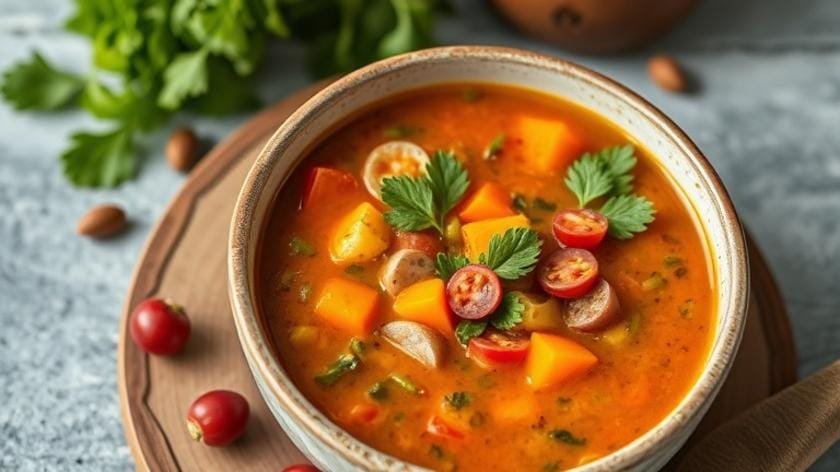
Legume Soups: Nutritious and Delicious Recipes
Across cultures, warm bowls filled with protein‑rich legumes have become a comforting staple, especially when they’re crafted with thoughtful seasoning and seasonal vegetables. The versatility of legume soups allows home cooks to adapt recipes for everything from quick weekday meals to elaborate holiday spreads, all while delivering sustained energy and satiety.
Thank you for reading this post, don't forget to subscribe!Beyond flavor, these dishes support balanced nutrition, making them valuable allies in both weight‑management plans and heart‑healthy diets. By mastering the fundamentals of legume soups, you can create meals that are as nourishing as they are delicious, turning pantry staples into culinary highlights.
Table of Contents
- Nutritional Benefits
- Essential Ingredients
- Core Preparation Techniques
- Classic Recipes
- Global Variations
- Comparison Table
- Frequently Asked Questions
- Conclusion and Final Takeaways
Nutritional Benefits
Legumes are naturally dense in plant‑based protein, fiber, iron, potassium, and B‑vitamins. When simmered into a broth, these nutrients become more bioavailable, and the slow cooking process helps break down antinutrients such as phytic acid. The result is a soup that supports muscle repair, digestive health, and stable blood‑sugar levels.
Fiber in legume soups promotes satiety, which can aid in weight management, while also acting as a prebiotic, feeding beneficial gut bacteria. The potassium content assists in regulating blood pressure, and the iron, especially in darker legumes like black beans, helps combat anemia when paired with vitamin‑C‑rich vegetables.
Essential Ingredients
A well‑balanced legume‑based soup starts with a trio of fundamentals: the legume itself, an aromatics base, and a liquid medium. Below is a brief checklist to keep on hand:
- Legumes: lentils, split peas, chickpeas, various beans (e.g., navy, black, pinto).
- Aromatics: onions, garlic, carrots, celery, leeks.
- Liquid: water, low‑sodium broth, or a combination of broth and coconut milk for added richness.
- Seasonings: bay leaf, thyme, smoked paprika, cumin, fresh herbs at the end of cooking.
- Acidic Finish: a splash of lemon juice or a dash of vinegar brightens the flavor profile.
Choosing quality legumes makes a noticeable difference. Dried beans require an initial soak to reduce cooking time and improve digestibility, whereas canned beans save time but may contain added sodium. Rinse canned beans thoroughly before adding them to the pot.
Core Preparation Techniques
Every successful legume soups follows a consistent methodological framework. Below are the steps that ensure texture, flavor, and nutritional integrity:
- Soak and Rinse: For dried beans, soak overnight or use the quick‑soak method (boil 5 minutes, then rest 1 hour). Rinse thoroughly.
- Sauté Aromatics: In a heavy‑bottomed pot, gently sweat onions, garlic, and carrots in a modest amount of oil. This builds a flavor foundation without browning.
- Toast Spices: Add ground spices early; a brief toast releases essential oils, deepening the soup’s aroma.
- Add Legumes and Liquid: Cover legumes with cold water or broth by 2‑3 inches. Bring to a gentle boil, then reduce to a simmer.
- Simmer Low and Slow: Maintain a gentle simmer; vigorous boiling can break legume skins, leading to a mushy texture.
- Finish with Fresh Elements: Stir in fresh herbs, a splash of acid, and, if desired, a drizzle of extra‑virgin olive oil just before serving.
For added depth, deglaze the sauté pan with a splash of wine or tomato paste after the aromatics have softened. This step is optional but contributes a subtle umami note.
Classic Recipes
Below are three time‑tested recipes that showcase the adaptability of legume‑based soups. Each can be customized with seasonal vegetables or protein additions.
Lentil and Spinach Soup
- Ingredients: Brown lentils, onion, garlic, carrot, vegetable broth, fresh spinach, cumin, lemon juice.
- Method: Sauté onion, garlic, and carrot. Add cumin and lentils, then broth. Simmer 25‑30 minutes. Stir in spinach until wilted, finish with lemon.
Hearty Chickpea & Kale Soup
- Ingredients: Chickpeas (cooked), kale ribs, onion, garlic, smoked paprika, diced tomatoes, chicken broth, olive oil.
- Method: Sauté aromatics, add paprika, then tomatoes and broth. Simmer chickpeas for 15 minutes, add kale, cook until tender.
Black Bean Chili Soup
- Ingredients: Black beans, ground cumin, chili powder, onion, garlic, bell pepper, beef broth, cilantro, lime.
- Method: Sauté onion, garlic, and bell pepper. Stir in spices, beans, and broth. Simmer 20 minutes, garnish with cilantro and lime.
These recipes illustrate the fundamental principle that a well‑balanced base can support a wide range of flavors, from Mediterranean to Mexican. For readers seeking additional ideas, the complete recipe collection offers deeper exploration.
Global Variations
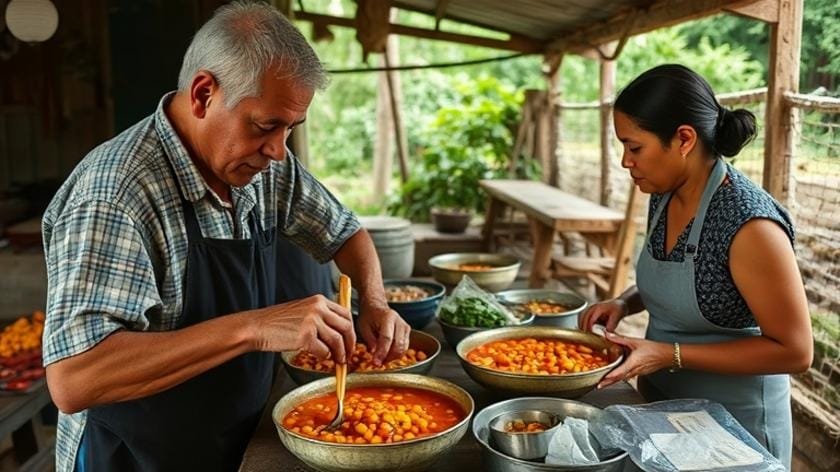
Legume soups have traversed continents, adopting regional spice palettes and cooking techniques. Understanding these cultural nuances can inspire creative twists on classic dishes.
- Moroccan Harira: Features chickpeas, lentils, tomatoes, cinnamon, and fresh cilantro, often served to break fast during Ramadan.
- Indian Dal Tadka: Red lentils tempered with mustard seeds, curry leaves, and ghee, delivering a comforting, aromatic broth.
- Thai Red Curry Bean Soup: Combines red kidney beans with coconut milk, lemongrass, and Thai red curry paste for a sweet‑spicy profile.
- Portuguese Caldo Verde: A kale‑laden soup that traditionally uses white beans, chorizo, and thinly sliced potatoes.
Integrating these global elements can elevate a simple Bean soups foundation into an internationally inspired meal. For instance, swapping smoked paprika for harissa introduces North‑African heat without compromising the soup’s structure.
Comparison Table
| Legume Type | Cooking Time (min) | Protein (g per 100 g) | Fiber (g per 100 g) | Best Pairings |
|---|---|---|---|---|
| Lentils (brown) | 20‑25 | 9 | 8 | Root vegetables, cumin, thyme |
| Chickpeas | 45‑60 (dry) / 5‑10 (canned) | 19 | 7 | Paprika, lemon, garlic |
| Black Beans | 60‑75 (dry) / 5‑10 (canned) | 21 | 9 | Coriander, lime, smoked salt |
| Split Peas (green) | 45‑60 | 9 | 8 | Ham, bay leaf, mustard seed |
Frequently Asked Questions
- Can I freeze legume soups? Yes, they freeze well for up to three months.
- Do I need to soak beans? Soaking reduces cooking time and improves digestibility.
- Are canned legumes safe? Rinse them to lower sodium and remove excess preservatives.
- How do I thicken a watery soup? Puree a portion of the beans or add a slurry of cornstarch.
- Can I make these soups dairy‑free? All recipes are naturally dairy‑free; substitute broth for creamy bases.
Conclusion and Final Takeaways
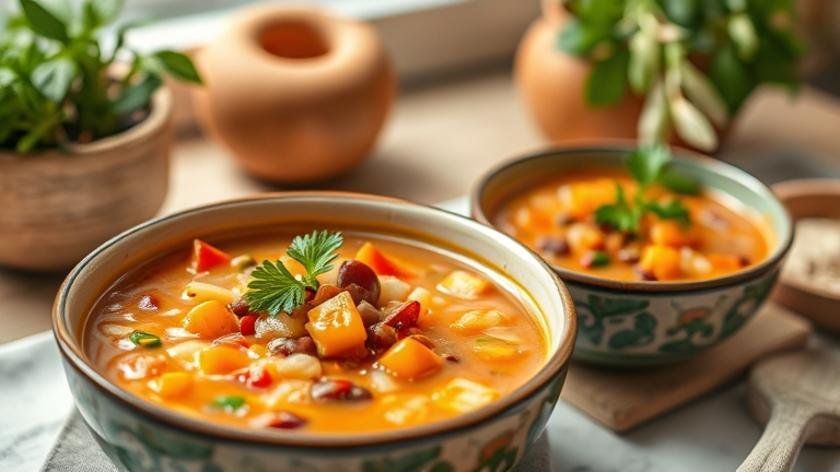
Mastering the art of legume soups equips you with a versatile toolkit for creating meals that are both nutritionally robust and culturally resonant. By selecting high‑quality legumes, employing mindful preparation techniques, and experimenting with global flavor profiles, you can turn a simple pantry staple into a signature dish.
Whether you are feeding a family, planning a meal‑prep schedule, or seeking comfort on a chilly evening, the principles outlined here provide a reliable foundation. For further inspiration, explore additional resources such as the Google search for Legume Soups: Nutritious and Delicious Recipes and consider adding your own twists to the classics. Happy cooking, and may your bowls always be hearty and wholesome.