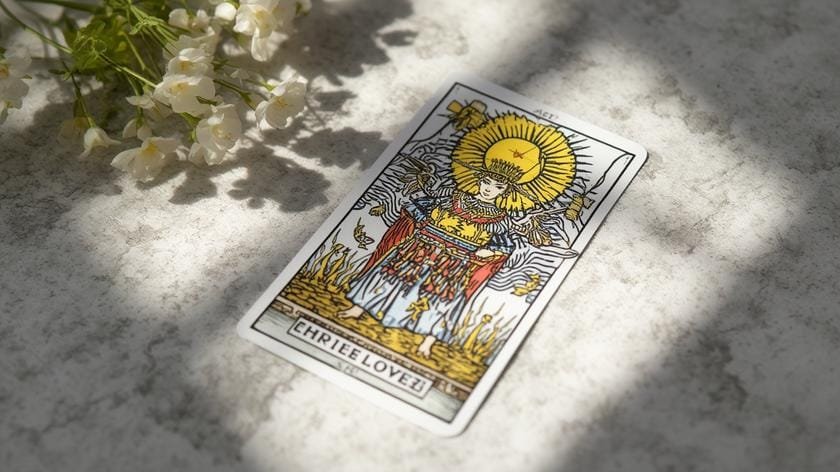
Love Tarot Card Meanings: Unlocking the Secrets of the Heart
When the heart seeks guidance, many turn to the timeless art of tarot to illuminate hidden emotions and future possibilities. By exploring the symbols and archetypes within each card, readers can gain nuanced perspectives that go beyond surface‑level intuition. Understanding love tarot card meanings allows seekers to decode the subtle messages that the universe subtly weaves into their romantic journeys.
Thank you for reading this post, don't forget to subscribe!Whether you are navigating a new attraction, deepening an existing partnership, or seeking closure after a breakup, the nuanced language of the deck offers clarity. This article delves into the core concepts, practical interpretations, and advanced techniques that empower you to conduct insightful Tarot Card Readings focused on matters of the heart.
## Table of Contents
– Understanding Core Love Tarot Cards
– Interpreting Reversed Love Cards
– Combining Cards for Relationship Insights
– Practical Process of Love Tarot Card Meanings
– Card Comparison Table
– Frequently Asked Questions
– Conclusion and Final Takeaways
## Understanding Core Love Tarot Cards {#understanding-core-love-tarot-cards}
The foundation of any insightful reading lies in a solid grasp of the individual cards that most directly address love and relationships. Below is a concise overview of the ten most frequently consulted cards in romantic contexts:
| Card | Upright Message | Reversed Hint |
|——|—————-|————–|
| The Lovers | Deep connection, choices rooted in values | Misalignment, superficial attraction |
| Two of Cups | Mutual harmony, partnership | Breakup, unreciprocated feelings |
| Ace of Cups | New love, emotional renewal | Emotional blockage, disappointment |
| Ten of Cups | Family bliss, long‑term stability | Discontent, broken home life |
| Knight of Cups | Romantic idealism, pursuit of love | Over‑idealization, fickleness |
| The Empress | Nurturing, fertility, sensuality | Smothering, neglect of self‑care |
| The Devil | Passion, obsession, unhealthy bonds | Liberation, breaking patterns |
| The Star | Hope, healing after heartbreak | Loss of hope, lingering doubt |
| Six of Swords | Transition, moving away from pain | Stagnation, inability to let go |
| Queen of Wands | Confident, independent love | Insecurity, jealousy |
Mastering these core symbols creates a mental map that speeds up interpretation and deepens confidence, especially when you explore love tarot card meanings in complex spreads.
## Interpreting Reversed Love Cards {#interpret-reversed-love-cards}
Reversals are not merely “negative” cards; they signal internal shifts, blocked energy, or lessons that have yet to be integrated. When a love‑related card appears upside‑down, consider these three guiding questions:
1. **Energy Flow** – Is the card’s energy being suppressed or misdirected?
2. **Lesson Focus** – What unlearned lesson does the reversal highlight?
3. **Contextual Interaction** – How does the surrounding cards modify the reversal’s tone?
For example, a reversed **Two of Cups** may suggest that both partners are holding back emotional honesty, while a reversed **The Devil** could herald the beginning of emancipation from a toxic attachment. Developing this nuanced lens makes each reading richer and more actionable.
## Combining Cards for Relationship Insights {#combining-cards-relationship-insights}
No single card tells the whole story. The art of synthesis—seeing how cards converse—unlocks deeper layers of meaning. Below are three common three‑card configurations and their interpretive pathways:
| Layout | Position 1 (Past) | Position 2 (Present) | Position 3 (Future) | Integrated Meaning |
|——–|——————-|———————-|———————|——————–|
| **Past‑Present‑Future** | Ten of Cups (past harmony) | The Lovers (present choices) | Ace of Cups (future renewal) | A stable foundation is guiding a pivotal love decision that will spark fresh emotional beginnings. |
| **Situation‑Action‑Outcome** | The Devil (present entanglement) | Knight of Cups (action: romantic overture) | The Star (outcome: hopeful healing) | Courageous outreach can transform a binding situation into hopeful recovery. |
| **Mind‑Body‑Spirit** | Queen of Wands (mind: confidence) | Six of Swords (body: transition) | The Empress (spirit: nurturing) | Inner confidence drives a physical shift toward a nurturing, long‑term partnership. |
By practicing these pattern recognitions, you will quickly internalize how love tarot card meanings evolve across a spread, providing a roadmap for clients or personal reflection.
## Practical Process of Love Tarot Card Meanings {#practical-process}

A systematic approach reduces ambiguity and enhances accuracy. Follow these six steps for a reliable love reading:
1. **Set a Clear Intent** – Phrase a specific question (e.g., “What should I know about my upcoming relationship?”).
2. **Choose an Appropriate Spread** – For quick insights, use a three‑card past‑present‑future layout; for deeper analysis, the Celtic Cross offers broader context.
3. **Shuffle Mindfully** – Visualize your intention while shuffling; this aligns energetic frequencies.
4. **Draw Cards with Purpose** – Cut the deck, draw, and immediately note first impressions—color, symbols, emotions.
5. **Record Upright vs. Reversed** – Document orientation; this will inform later synthesis.
6. **Synthesize & Deliver** – Combine individual meanings, note patterns, and conclude with actionable advice.
For readers who value evidence‑based practice, consider keeping a journal of each reading. Over time, trends emerge that sharpen intuition and highlight recurring themes—an essential habit for anyone serious about mastering love tarot card meanings.
track your reading results and reflect on how interpretations align with real‑world outcomes. This habit not only improves skill but also builds credibility when sharing insights with others.
## Card Comparison Table {#comparison-table}
The table below pits the most evocative love‑centered cards against each other, allowing a quick reference for which card best fits a particular relational query.
| Card | Best Suited For | Key Symbolism | Typical Outcome |
|---|---|---|---|
| The Lovers | Major life‑changing choice in love | Adam & Eve, angelic figure | Clarity on values, commitment |
| Two of Cups | New partnership or deepening bond | Cups exchanging, lion heads | Mutual affection, partnership |
| Ace of Cups | Initiating romance, fresh emotional start | Overflowing cup, dove | Joyful emotional surge |
| Ten of Cups | Long‑term family harmony | Rainbow, happy family | Lasting contentment |
| The Devil | Identifying unhealthy patterns | Chains, inverted Pentacles | Awareness leading to release |
explore how these cards interact in multi‑card spreads to reveal deeper narrative layers.
## Frequently Asked Questions {#faq}
1. **Can love tarot predict a specific future partner?**
It reveals tendencies and energies, not immutable facts.
2. **Do reversed cards always indicate problems?**
Not always; they can signal internal work or delayed timing.
3. **How often should I do a love reading?**
When a significant emotional decision arises; avoid over‑reading.
4. **Is it necessary to learn the entire tarot deck for love insights?**
Familiarity with core love cards speeds up interpretation.
5. **Can I combine astrology with love tarot?**
Yes; planetary correspondences enrich context.
## Conclusion and Final Takeaways {#conclusion}
Mastering love tarot card meanings is a progressive journey that blends symbolic literacy, disciplined methodology, and reflective practice. By internalizing the core archetypes, respecting the nuance of reversals, and skillfully weaving multiple cards into a cohesive story, readers can offer guidance that feels both compassionate and grounded. Regular journaling, ethical conduct during Tarot Card Readings, and continuous study ensure that each session deepens your expertise and supports the seekers who trust your insight.
If you wish to explore further scholarly perspectives or compare interpretations across traditions, a quick web search can provide additional resources: Google search. Continued curiosity and disciplined practice are the twin pillars that turn occasional curiosity into lasting authority.