Lucky Numbers Based on Astrology
The practice of connecting celestial patterns to everyday decisions has fascinated humanity for centuries. Modern enthusiasts often turn to lucky numbers based on astrology as a way to infuse personal meaning into chance‑driven events. By mapping planetary positions at the moment of birth, practitioners claim they can uncover numeric signatures that resonate with an individual’s innate energy.
Thank you for reading this post, don't forget to subscribe!While skeptics point to statistical randomness, many report a heightened sense of confidence when they align their ticket selections with astrological insights. This article explores the historical roots, methodological steps, and practical considerations of using the stars to guide lottery choices, offering a balanced view that respects both tradition and critical analysis.
## Table of Contents
– Understanding Astrological Foundations
– Deriving Personal Numbers from the Birth Chart
– Planetary Cycles and Lottery Selection
– Common Pitfalls and Ethical Considerations
– Tools and Resources for Calculating Your Numbers
– Comparison of Astrological Approaches vs Random Chance
– Frequently Asked Questions
– Conclusion and Final Takeaways
## Understanding Astrological Foundations
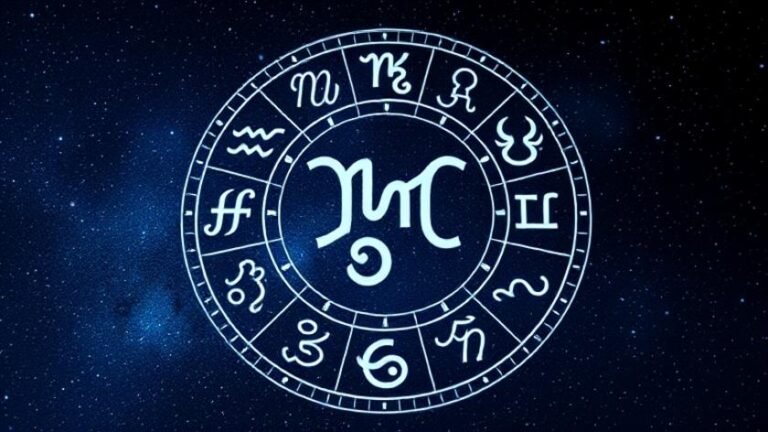
Astrology divides the sky into twelve zodiac signs, each ruled by a planetary body that imparts distinct qualities. The natal chart—calculated from the exact time, date, and location of birth—captures the real‑time arrangement of these planetary forces. Core components include the Sun sign (core identity), Moon sign (emotional landscape), and Ascendant ( outward persona). The positions of Mercury, Venus, Mars, Jupiter, and Saturn further nuance the chart, adding layers that practitioners interpret for numerological extraction.
Historically, astrologers used the “Lots” or “Arabic Parts”—specific points derived from mathematical formulas—to generate numbers of significance. Modern enthusiasts often adapt these ancient techniques into simpler algorithms, translating planetary degrees into single‑digit figures that can be directly applied to lottery tickets.
## Deriving Personal Numbers from the Birth Chart
To generate lucky numbers based on astrology, start with the zodiac degrees of your personal planets. Convert each degree (0‑29) to a single digit by adding the two digits together; for example, 23° becomes 2 + 3 = 5. Repeat this process for the Sun, Moon, Mercury, Venus, Mars, Jupiter, and Saturn. The resulting set typically yields seven numbers between 1 and 9.
Next, employ the concept of “Master Numbers” by adding the individual digits of your birth date (DD + MM + YYYY) until you arrive at a two‑digit or single‑digit value. This master figure often serves as a “wild card” that can replace or supplement any of the seven base numbers, expanding the pool of possible combinations.
Finally, cross‑reference the derived numbers with the current transits—planetary positions relative to your natal chart. If a transiting planet forms a harmonious aspect (trine or sextile) with its natal counterpart, the associated number may be regarded as especially potent for that period.
## Planetary Cycles and Lottery Selection
The timing of number selection can be as critical as the numbers themselves. Astrologers monitor the outer planets—Jupiter (growth) and Saturn (structure)—because their slower cycles create longer‑term windows of heightened opportunity. When Jupiter forms a favorable aspect to your natal Sun, the associated number (derived from the Sun’s degree) may be considered “golden” for that week.
In practice, many users integrate Astrology Lottery Numbers with conventional strategies like “cold‑draw” or “hot‑draw” analysis. By overlaying the celestial timetable onto recent draw statistics, they aim to pinpoint moments when the universe’s rhythm aligns with statistical trends. This hybrid approach seeks to balance intuition with empirical data.
## Common Pitfalls and Ethical Considerations
While the appeal of celestial guidance is strong, several pitfalls can undermine its effectiveness:
1. **Over‑complexity** – Adding excessive layers (multiple Lots, harmonic charts, etc.) can dilute the core signal and lead to decision fatigue.
2. **Confirmation Bias** – Selecting only the numbers that fit a desired outcome reinforces belief without objective validation.
3. **Financial Risk** – Treating astrological numbers as a guaranteed win can encourage irresponsible spending.
Ethically, it is vital to disclose that astrology provides symbolic insight rather than empirical certainty. Users should treat any number set—astrological or otherwise—as entertainment, maintaining responsible gambling practices.
## Tools and Resources for Calculating Your Numbers
A variety of online platforms now automate the conversion of natal data into lottery‑ready numbers. Popular options include:
– **AstroNumerology Calculators** – Input birth details and receive a list of single‑digit values derived from planetary degrees.
– **Transit Trackers** – Real‑time visualizations of current planetary positions relative to your chart, highlighting favorable aspects.
– **Community Forums** – Spaces where enthusiasts share case studies, discuss pattern recognition, and exchange personal success stories.
For those who prefer a hands‑on approach, free software like Stellarium can assist in visualizing the night sky at the exact moment of birth, allowing manual extraction of degrees and subsequent numeric reduction.
Explore this comprehensive guide for a deeper walkthrough of each calculation step and see how subtle adjustments can alter your final number set.

## Comparison of Astrological Approaches vs Random Chance
| Criterion | Astrological Method | Random Selection |
|---|---|---|
| Personal Meaning | High – numbers reflect individual chart | None |
| Complexity | Moderate to High (requires chart data) | Low – choose any numbers |
| Statistical Edge | Unproven – no peer‑reviewed studies | Baseline probability |
| Emotional Engagement | Strong – ties to personal narrative | Variable |
| Cost of Implementation | Minimal (online tools) to moderate (professional reading) | Zero |
The table underscores that while astrological selection adds layers of personal relevance, it does not statistically outperform random draws. Its primary value lies in enhancing the player’s connection to the activity rather than guaranteeing wins.
## Frequently Asked Questions
**What is the most common way to extract numbers from a natal chart?**
Convert planetary degrees to single digits and add the birth‑date master number.
**Can transits improve my chances of winning?**
They are interpreted symbolically; no empirical proof of increased odds.
**Do I need a professional astrologer?**
Free online calculators can generate reliable base numbers for most users.
**How often should I refresh my number set?**
Many players update whenever a major transit (e.g., Jupiter square) occurs.
**Is there a legal restriction on using astrology for lottery picks?**
No, as long as gambling regulations are followed.
## Conclusion and Final Takeaways
Integrating lucky numbers based on astrology into lottery play merges ancient symbolism with modern probability. The process begins with a careful chart analysis, proceeds through systematic numeric reduction, and finishes with timing considerations based on planetary cycles. While the method offers a personalized narrative and can heighten engagement, it does not alter the fundamental odds governed by chance.
Readers seeking a balanced approach should treat astrological numbers as an enjoyable overlay rather than a definitive strategy. By combining thoughtful self‑reflection with disciplined gambling habits, the experience can remain both entertaining and responsible.
For additional perspectives, you may wish to explore broader discussions on the topic by searching “Lucky Numbers Based on Astrology” on Google.
Read more about advanced chart techniques to continue expanding your knowledge.