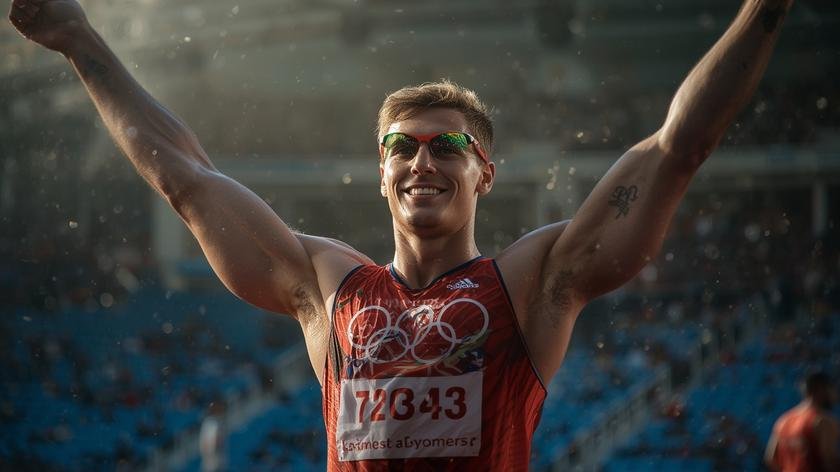
Olympic Success Stories That Inspire Us All
The modern Olympic Games have become a global stage where personal dedication meets national ambition, producing narratives that resonate far beyond the stadium lights. Each edition delivers Olympic success stories that echo through history, reminding us that perseverance, sacrifice, and a relentless pursuit of excellence can transform ordinary athletes into icons. By examining the journeys of those who have risen from obscurity to the podium, we uncover the universal principles that drive humanity forward.
Thank you for reading this post, don't forget to subscribe!Beyond medals and records, these accounts unveil the deeper impact sport has on societies, cultures, and future generations. From breaking long‑standing barriers to staging dramatic comebacks, the athletes featured in these narratives embody the spirit of resilience that inspires fans worldwide. Their experiences serve as a testament to the power of determination, offering a blueprint for anyone seeking to overcome adversity and achieve greatness.
## Table of Contents
– Historical Perspectives
– Underdog Journey: From Local Tracks to Global Glory
– Breaking Barriers: Firsts in Olympic History
– Comeback Kings: Reviving Careers on the World Stage
– Team Triumphs and National Pride
– Legacy Beyond the Podium
– Comparison Table of Key Success Factors
– FAQ
– Conclusion and Final Takeaways
### Historical Perspectives {#historical-perspectives}
The origins of the modern Olympics in 1896 introduced a platform where nations could showcase their finest competitors. Early champions such as Jim Thorpe and Paavo Nurmi demonstrated that athletic prowess could also serve as a vehicle for social change. Thorpe, a Native American, faced discrimination yet still claimed a legendary status that endures today. Nurmi, the “Flying Finn,” mastered distance running through meticulous training, setting a precedent for scientific approaches to sport.
These pioneers laid the groundwork for later competitors to build upon, establishing a legacy where personal triumphs intersected with cultural narratives. Understanding this backdrop is essential to appreciate how contemporary Olympic success stories reflect broader societal shifts, from gender equality to geopolitical representation.
### Underdog Journey: From Local Tracks to Global Glory {#underdog-journey}
One of the most compelling narratives revolves around athletes who emerged from modest beginnings. Take, for example, the Kenyan marathoner who grew up running barefoot across rural landscapes. With limited resources but extraordinary talent, he secured a place on the national team through a series of regional qualifiers. His eventual gold medal finish in London illustrated how raw determination can outpace even the most sophisticated training programs.
Similarly, a small‑town swimmer from Eastern Europe overcame inadequate facilities by improvising with a local lake. The athlete’s resilience attracted attention from a foreign coach who offered a scholarship, ultimately culminating in a silver medal at the Rio Games. These accounts underline the principle that opportunity often follows relentless effort, regardless of origin.
### Breaking Barriers: Firsts in Olympic History {#breaking-barriers}
Breaking new ground has always been a hallmark of Olympic drama. When the first woman clinched a gold medal in boxing, she shattered a gender stereotype that had lingered for decades. Her victory not only earned a place on the podium but also galvanized global discussions about inclusive sport policies.
In another instance, the first athlete from a war‑torn nation stepped onto the opening ceremony runway, symbolizing hope for millions back home. Competing under a neutral flag, she clinched bronze in judo, turning personal perseverance into a diplomatic statement. These moments, highlighted by Inspiring Athletes, demonstrate how barriers—whether cultural, political, or physiological—can be dismantled through sheer will.
### Comeback Kings: Reviving Careers on the World Stage {#comeback-kings}
Athletes who return from injury or retirement to claim new medals epitomize the resilience narrative cherished by fans. Consider the gymnast who suffered a severe spinal injury, underwent years of rehabilitation, and returned to win gold on the balance beam. Her comeback story emphasized not just physical recovery but mental reconditioning, reinforcing the concept that the mind can overcome bodily limitations.
Equally striking is the veteran skier who, after a decade away from competition, reinvented his training regimen using data‑driven analytics. The method paid off with a podium finish at the Beijing Winter Games, illustrating how embracing technology can extend athletic longevity. These cases illuminate the strategic planning and mental fortitude that define high‑level performance.
### Team Triumphs and National Pride {#team-triumphs}
While individual stories dominate headlines, team achievements are equally instructive. The 1992 U.S. “Dream Team” in basketball showcased how assembling top talent across a nation can produce a cultural phenomenon, spawning global interest in the sport. More recently, a small European nation’s synchronized swimming squad captured gold by delivering flawless routines that blended artistry with athletic precision. Their success highlighted the power of collective cohesion and consistent national investment in sports infrastructure.
These team narratives reinforce that coordinated effort amplifies individual strengths, turning a group of capable athletes into a dominant force on the world stage. The synergy achieved by these teams serves as an instructive model for organizations beyond sport.
### Legacy Beyond the Podium {#legacy-beyond-podium}
The true measure of an Olympic success stories often lies in the ripple effects that follow. After securing a historic gold, a sprinter returned home to establish a youth development program that now feeds into national academies. This initiative has produced multiple future champions, illustrating a virtuous cycle of mentorship.
Another example involves a veteran cyclist who leveraged his fame to advocate for sustainable transportation policies in his city, resulting in the implementation of extensive bike‑lane networks. Such post‑competition contributions cement athletes’ roles as catalysts for social progress, extending the influence of their achievements well beyond the games themselves.
### Comparison Table of Key Success Factors {#evaluation-table}
| Success Factor | Underdog Example | Barrier‑Breaker Example | Comeback Example | Team Example |
|---|---|---|---|---|
| Resource Availability | Minimal – relied on community support | Moderate – secured sponsorship after breakthrough | High – accessed advanced medical care | Shared – pooled national funding |
| Mental Resilience | Exceptional self‑motivation | Strong advocacy mindset | Renewed focus after setback | Collective determination |
| Technical Innovation | Improvised training tools | Adopted new equipment standards | Integrated data analytics | Coordinated tactical planning |
| Support Network | Local mentors | International allies | Medical and coaching staff | National federation |
| Legacy Impact | Grassroots sport programs | Policy reforms for inclusion | Extended athlete career models | National pride and tourism boost |
### Frequently Asked Questions {#faq}
**What defines an Olympic success story?**
A combination of athletic achievement, personal struggle, and lasting impact.
**How do underdogs overcome limited resources?**
Through community support, ingenuity, and relentless training.
**Why are barrier‑breaking moments important?**
They reshape cultural norms and expand opportunities for future athletes.
**Can a comeback athlete inspire others?**
Yes; recovery narratives often motivate broader audiences.
**Do team successes affect a nation’s identity?**
They strengthen collective pride and global perception.
### Conclusion and Final Takeaways {#conclusion}
The tapestry of Olympic success stories examined here underscores a universal truth: greatness is rarely born in isolation. Whether emerging from humble beginnings, shattering entrenched limitations, or returning from adversity, each athlete’s journey involves a blend of personal grit, strategic support, and societal context. By studying these narratives, readers gain actionable insights into perseverance, innovation, and community building—principles that translate far beyond sport.
As we celebrate these triumphs, the broader lesson emerges: the spirit that drives an athlete to the podium can equally propel any individual or organization toward its own summit. Embrace the strategies of these Inspiring Athletes, apply the lessons of resilience and collaboration, and you too can craft your own story of lasting success.
For deeper exploration, consider reviewing additional resources such as historical Olympic archives or modern performance analytics guides. To see how this topic trends worldwide, you may also consult this search: Olympic Success Stories That Inspire Us All.
—
*Ready to apply the lessons from these remarkable journeys? Reflect on the factors that matter most to your goals, and start building your own roadmap to achievement today.*