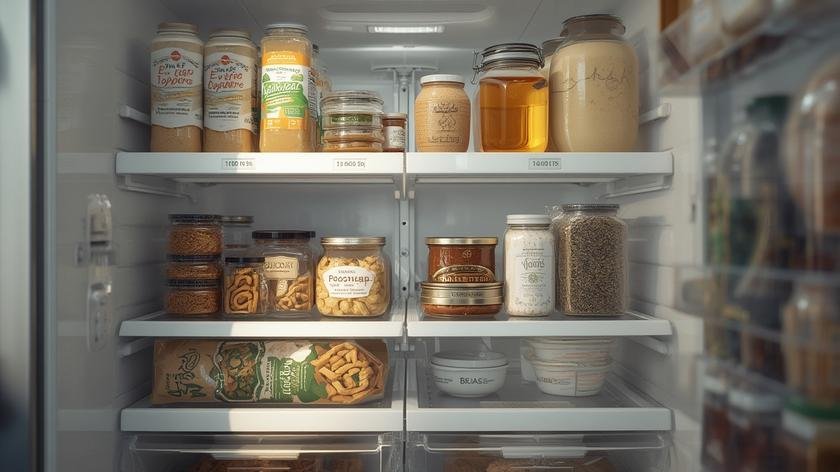
Organize Fridge by Expiration Date
Keeping a refrigerator tidy goes beyond aesthetics; it directly impacts food safety, waste reduction, and the efficiency of daily meal planning. When items are stored without regard to their lifespan, it becomes easy to overlook a expired dairy product or a wilted vegetable, leading to unnecessary spoilage. Implementing a systematic approach to how to organize fridge by expiration date not only curtails this loss but also streamlines the cooking process, allowing you to locate ingredients quickly and prepare meals with confidence.
Thank you for reading this post, don't forget to subscribe!Adopting a reliable how to organize fridge by expiration date strategy requires a blend of habit formation, visual cues, and practical tools. In the sections that follow, you’ll discover a step‑by‑step roadmap, essential supplies, and maintenance tips that together transform your refrigerator into a model of order and freshness, all while supporting a sustainable kitchen routine.
## Table of Contents
– Why Sort by Expiration Matters
– Preparatory Steps
– Step‑by‑Step Process
– Labeling Systems
– Maintenance Routine
– Method Comparison
– FAQ
– Conclusion and Final Takeaways
## Why Sort by Expiration Matters
Food safety guidelines emphasize that perishable items should be consumed within a specific time frame to prevent bacterial growth. When the fridge becomes a catch‑all, you risk consuming products past their prime, which can lead to foodborne illness. Moreover, the financial cost of wasted food adds up quickly; the USDA estimates that the average American household discards around $1,500 worth of edible food each year. By sorting items according to their expiration dates, you gain a clear visual hierarchy that prompts timely usage of older items, thereby reducing waste and safeguarding health.
The psychological benefit is equally compelling. A clutter‑free fridge reduces decision fatigue, especially during hectic evenings when you need to assemble a quick dinner. Knowing exactly where each product sits—whether it’s a yogurt that needs to be eaten within three days or a frozen steak with a six‑month shelf life—creates a smoother cooking experience and encourages healthier eating habits.
## Preparatory Steps
Before diving into the actual rearrangement, allocate a dedicated block of time—ideally 30‑45 minutes—for a full‑scale purge and wipe‑down. Gather the following supplies:
– **Cleaning solution** (mild soap and warm water) and clean cloths
– **Reusable storage bins** or clear containers for grouping similar items
– **Label maker** or **water‑proof markers**
– **Sticky notes** or **color‑coded stickers** for temporary markers
As you remove each item, assess its condition. Discard anything that is visibly spoiled, past its “use‑by” date, or has an off smell. For items with ambiguous dates (e.g., a jar of sauce without a printed label), use an online database to estimate shelf life before deciding. This initial sorting lays the groundwork for a systematic layout that supports long‑term Fridge Organization.
## Step-by‑by‑Step Process
1. **Empty the Refrigerator**
Pull out every shelf, drawer, and door compartment. Place all foods on a clean countertop or table, grouping them by category (dairy, produce, meats, condiments, etc.). This visual segregation helps you see the volume of each type and plan optimal placement.
2. **Clean All Surfaces**
Wipe down each shelf and drawer with the cleaning solution, removing spills and residues that can harbor bacteria. Allow surfaces to dry completely before reinserting items.
3. **Create a Master List**
On a sheet of paper or a digital note, list each item along with its expiration or “best‑by” date. This inventory acts as a reference for the labeling stage and helps you spot duplicates or items you no longer need.
4. **Assign Zones Based on Shelf Life**
– **Top Shelves:** Ideal for ready‑to‑eat foods and leftovers that will be consumed within a few days.
– **Middle Shelves:** Best for dairy, eggs, and items with moderate shelf life (5‑10 days).
– **Bottom Shelves:** Reserve for raw meats and fish, which should stay at the coldest spot (0‑4 °C).
– **Crisper Drawers:** Designed for fruits and vegetables; use separate drawers for high‑humidity (leafy greens) and low‑humidity (apples, carrots) produce.
5. **Label Every Item**
Use the label maker or waterproof marker to write the date of opening or expected expiration. Attach the label to the front of the container where it’s visible at a glance. For items stored in bulk bins, place a single label on the bin indicating the earliest date among its contents.
6. **Implement a “First In, First Out” (FIFO) System**
When placing new items, always push older items toward the front of the shelf or the top of a stack. This simple habit ensures you consume older products before newer ones, maintaining the integrity of your sorting system.
7. **Re‑stock Smartly**
Return items to their designated zones, respecting the layout you established. Keep frequently used staples within easy reach, and store less‑used items toward the back.
By following this structured approach, you’ll experience a noticeable reduction in forgotten food and an overall smoother kitchen workflow.
## Labeling Systems
A robust labeling system turns a chaotic refrigerator into an intuitive information hub. Here are three proven methods:
| Method | Materials Needed | Pros | Cons |
|——–|——————-|——|——|
| **Digital QR Tags** | QR code generator, printable stickers, smartphone app | Instant access to detailed inventory, can include photos | Requires smartphone scanning each time |
| **Color‑Coded Stickers** | Sticker set (red, yellow, green), marker | Quick visual cue for urgency (red = expiring soon) | Limited to three urgency levels |
| **Traditional Date Labels** | Label maker or waterproof marker, adhesive labels | Simple, low‑tech, durable | Requires manual updating when items are moved |
Choose the system that aligns with your daily habits. For households with tech‑savvy members, QR tags can integrate with grocery apps to auto‑update inventories. Conversely, color‑coded stickers provide a rapid glance for busy families. Whichever method you adopt, consistency is key—ensure every item receives a label the moment it enters the fridge.
## Maintenance Routine
Sustaining the gains from your reorganization effort hinges on regular upkeep. Integrate these quick‑check practices into your weekly schedule:
– **Weekly Scan (5 minutes):** Walk through each zone, verify that the oldest items are positioned at the front, and move any that are nearing expiration to the front.
– **Mid‑Month Deep Clean (15 minutes):** Remove all items, discard anything past its date, and wipe shelves. This prevents odor buildup and preserves appliance efficiency.
– **Monthly Inventory Update (10 minutes):** Refresh the master list, noting any new purchases and adjusting labels as needed.
Set a recurring calendar reminder on your phone or smart speaker to embed these routines into your lifestyle. Over time, the maintenance steps become second nature, reinforcing your Fridge Organization system without added effort.
## Method Comparison
Below is a concise evaluation of three popular approaches to managing expiration dates within the refrigerator. The table focuses on key decision factors such as cost, ease of implementation, and long‑term effectiveness.
| Approach | Initial Cost | Learning Curve | Effectiveness (Expiry Awareness) | Best For |
|---|---|---|---|---|
| Manual Date Labels | Low (pen/marker) | Minimal | High | Budget‑conscious households |
| Color‑Coded Stickers | Medium (sticker pack) | Low | Medium‑High | Families needing quick visual cues |
| Digital QR Inventory | Higher (printer, QR app) | Moderate | Very High | Tech‑savvy users, large households |
Use this comparison to decide which technique aligns with your budget, tech comfort, and desired level of detail. The most effective strategy often blends elements—such as using color stickers for high‑risk items while keeping manual dates for everyday staples.
## FAQ
**What is the best spot for raw meat in the fridge?**
Bottom shelf, lowest temperature zone.
**How often should I clean my fridge?**
At least once a month for a thorough clean.
**Can I use regular paper labels for expiration dates?**
Yes, but waterproof labels last longer.
**Do I need a separate bin for opened sauces?**
A clear bin helps keep them visible and organized.
**Is FIFO the same as “first in, first out”?**
Exactly; consume older items before newer ones.
## Conclusion and Final Takeaways
Establishing a clear system for how to organize fridge by expiration date transforms your kitchen from a source of waste into a hub of efficiency. By committing to a disciplined layout, consistent labeling, and routine maintenance, you safeguard food quality, cut unnecessary expenses, and enjoy a smoother cooking experience. For deeper insights or complementary strategies, explore our step‑by‑step guide and consider checking out related resources via this search query. Implement these practices today, and let your refrigerator work for you, not the other way around.