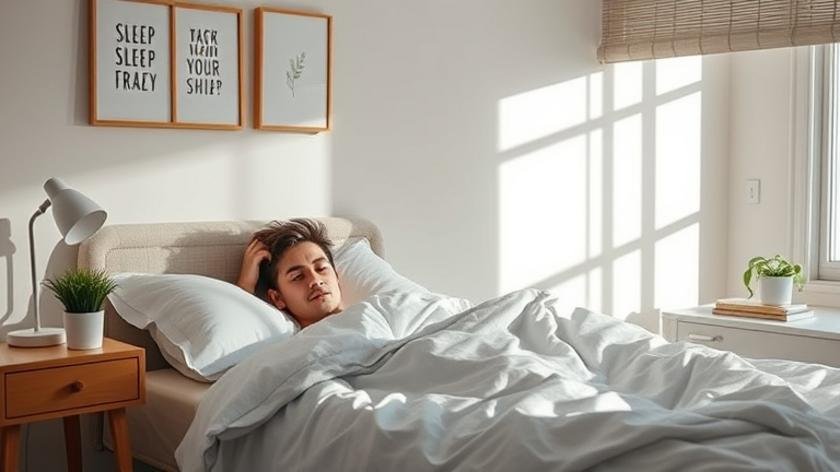
Sleep Tips for Students: Habits to Improve Your Rest
The life of a student is a relentless juggle of lectures, assignments, extracurriculars, and social commitments. Amid this whirlwind, quality rest often falls to the bottom of the priority list, yet it remains a cornerstone of cognitive performance, memory consolidation, and overall well‑being. By integrating proven sleep tips for students habits into daily routines, learners can reclaim the restorative power of sleep without sacrificing academic ambitions.
Thank you for reading this post, don't forget to subscribe!Research across neuroscience and educational psychology consistently demonstrates that students who adopt healthy sleep patterns experience sharper focus, higher grades, and reduced anxiety. The following guide translates the latest evidence into actionable steps, ensuring that every habit supports both short‑term productivity and long‑term health.
## Table of Contents
– Understanding the Importance of Sleep for Academic Success
– Common Sleep Challenges Faced by Students
– Establishing a Consistent Sleep Schedule
– Optimizing Your Sleep Environment
– Nutrition, Exercise, and Their Impact on Sleep
– Technology Use and Nighttime Routines
– Stress Management Techniques for Better Rest
– Quick Strategies to Fall Asleep Faster
– Comparison of High‑Impact Sleep Strategies
– FAQ
– Conclusion and Final Takeaways
### Understanding the Importance of Sleep for Academic Success {#understanding-the-importance-of-sleep}
Sleep is not a passive state; it is an active period when the brain reorganizes information, strengthens neural connections, and clears metabolic waste. For students, these processes translate directly into improved recall of lecture material, enhanced problem‑solving ability, and greater emotional regulation. A solid night’s rest also modulates hormones such as cortisol and ghrelin, reducing stress‑induced cravings that can derail study plans.
Empirical studies reveal a dose‑response relationship: each additional hour of sleep beyond the 7‑hour baseline can boost GPA by up to 0.2 points, while chronic sleep restriction erodes motivation and increases dropout risk. Recognizing sleep as a strategic asset, rather than an optional luxury, is the first step toward embedding sustainable habits.
### Common Sleep Challenges Faced by Students {#common-sleep-challenges}
– **Irregular class schedules** – evening labs, early morning seminars, and weekend labs fragment circadian rhythms.
– **Heavy academic load** – late‑night study sessions often replace bedtime.
– **Social pressures** – parties, group projects, and digital connectivity create competing priorities.
– **Financial stress** – part‑time jobs and tuition concerns elevate anxiety, making relaxation difficult.
– **Technology overexposure** – blue‑light emissions from screens suppress melatonin, delaying sleep onset.
Understanding these obstacles allows students to target solutions precisely, turning generic advice into personalized action plans.
### Establishing a Consistent Sleep Schedule {#establishing-a-consistent-schedule}
A regular sleep‑wake pattern trains the internal clock, making it easier to fall asleep and awaken naturally. Follow these steps:
1. **Set a fixed bedtime and wake‑time** – even on weekends, keep the deviation within 30 minutes.
2. **Create a wind‑down window** – dedicate the last 60 minutes before bed to low‑stimulus activities (reading, gentle stretching).
3. **Use a sleep diary** – track bedtime, wake‑time, and perceived sleep quality to identify patterns.
4. **Leverage light exposure** – seek natural daylight in the morning; dim lights in the evening to reinforce melatonin production.
Implementing these practices embodies core sleep tips for students habits that align circadian rhythms with academic responsibilities.
Moreover, focusing on Sleep habits for students such as a consistent schedule not only boosts alertness but also reduces the “catch‑up” sleep debt that often leads to fragmented rest.
### Optimizing Your Sleep Environment {#optimizing-sleep-environment}
The bedroom should signal relaxation, not work. Consider the following adjustments:
| Element | Recommended Setting | Rationale |
|—|—|—|
| **Temperature** | 60‑67°F (15‑19°C) | Cooler temps facilitate the body’s natural drop in core temperature. |
| **Noise** | White noise or earplugs | Masks disruptive sounds that cause micro‑awakenings. |
| **Light** | Complete darkness; blackout curtains | Eliminates light cues that suppress melatonin. |
| **Bedding** | Supportive mattress + breathable linens | Reduces tossing and improves spinal alignment. |
| **Electronics** | None within arm’s reach; charge devices outside the room | Prevents blue‑light exposure and late‑night notifications. |
By curating a sleep‑friendly environment, students turn their rooms into true “sleep sanctuaries,” reinforcing the sleep tips for students habits outlined earlier.
### Nutrition, Exercise, and Their Impact on Sleep {#nutrition-exercise-impact}
– **Timing of meals** – Avoid heavy, spicy, or sugary foods within two hours of bedtime. A light snack containing tryptophan (e.g., a banana with almond butter) can promote serotonin production.
– **Caffeine management** – Limit intake after 2 p.m.; remember that caffeine’s half‑life may extend up to 8 hours.
– **Hydration balance** – Stay hydrated throughout the day but reduce fluid intake close to bedtime to minimize nocturnal awakenings.
– **Physical activity** – Regular aerobic exercise (30 minutes, 4‑5 times weekly) advances sleep onset and deep‑sleep duration. Schedule vigorous workouts at least 3 hours before sleep to avoid elevated heart rate at bedtime.
Integrating balanced nutrition and consistent movement creates a physiological foundation that enhances the efficacy of other sleep‑improving habits.
### Technology Use and Nighttime Routines {#technology-and-nighttime-routines}
Digital devices are double‑edged swords: they provide academic resources but emit blue light that interferes with melatonin. Adopt these mitigations:
– **Enable night‑mode** on all screens after sunset.
– **Install blue‑light filter apps** (e.g., f.lux, Twilight).
– **Set a “device curfew”** – power down devices 60 minutes before intended sleep time.
– **Use “do not disturb”** to silence notifications during wind‑down.
These steps preserve the restorative qualities of the pre‑sleep period, keeping the brain free from the alertness spikes that jeopardize sleep tips for students habits.
### Stress Management Techniques for Better Rest {#stress-management-techniques}
Stress is a primary sleep disruptor. Incorporate evidence‑based coping methods:
– **Progressive muscle relaxation** – sequentially tense and release muscle groups.
– **Mindful breathing** – 4‑7‑8 technique (inhale 4 sec, hold 7 sec, exhale 8 sec) lowers autonomic arousal.
– **Journaling** – write down worries or to‑do lists before bed to clear mental clutter.
– **Cognitive reframing** – replace catastrophic thoughts with realistic, actionable perspectives.
These practices calm the nervous system, allowing the body to transition smoothly into restorative sleep. For a deeper dive on stress‑reduction, see effective stress management for students.
### Quick Strategies to Fall Asleep Faster {#quick-fall-asleep-strategies}
When time is tight, the following shortcuts can shorten sleep latency:
1. **The “5‑minute rule”** – lie still, focus on breathing; if sleep doesn’t arrive, get out of bed, engage in a dim activity, and return.
2. **Temperature dip** – splash cool water on wrists or lower the thermostat by 2 °F.
3. **Aromatherapy** – diffuse lavender or chamomile essential oil to promote relaxation.
Employing these rapid techniques aligns with the broader framework of sleep tips for students habits, ensuring that even irregular nights can end with quality rest.
### Comparison of High‑Impact Sleep Strategies {#comparison-table}
| Strategy | Primary Benefit | Time Required Daily | Evidence Strength |
|---|---|---|---|
| Fixed Sleep‑Wake Times | Regulates circadian rhythm | 5 minutes (plan) | Strong |
| Screen‑Free Wind‑Down | Reduces blue‑light suppression | 60 minutes | Moderate‑Strong |
| Bedroom Optimization | Minimizes environmental disruptions | 10 minutes (setup) | Strong |
| Mindful Breathing | Lowers physiological arousal | 5 minutes | Moderate |
| Evening Light Exercise | Enhances sleep depth | 30 minutes | Strong |
### FAQ {#frequently-asked-questions}
**Q1: How many hours of sleep do college students need?**
A: 7‑9 hours of quality sleep per night.
**Q2: Can naps replace lost nighttime sleep?**
A: Short 20‑minute naps help alertness but don’t fully restore deep‑sleep cycles.
**Q3: Does caffeine affect sleep if consumed early in the day?**
A: Yes; its half‑life can linger, especially in sensitive individuals.
**Q4: Is it okay to use earphones for white noise?**
A: Safe if volume is low and devices are set to auto‑off.
**Q5: How quickly can new sleep habits show results?**
A: Noticeable improvement often appears after 7‑10 nights of consistency.

### Conclusion and Final Takeaways {#conclusion}
Prioritizing rest is not a compromise; it is a strategic lever that enhances learning efficiency, emotional balance, and long‑term health. By systematically applying the sleep tips for students habits outlined—consistent scheduling, environment optimization, mindful technology use, balanced nutrition, and targeted stress reduction—students can create a resilient sleep foundation that supports both academic excellence and personal growth.
Adopt these practices incrementally, monitor progress with a simple sleep diary, and adjust as needed. Sustainable improvement arrives when habits align with individual rhythms rather than external demands. For further exploration, consult reputable research databases or speak with campus health services.
Ready to refine your routine? Review the strategies above, choose one or two to implement this week, and observe the impact on focus, mood, and grades. Consistent effort today yields restorative results tomorrow.
For additional resources, see the comprehensive guide on Sleep Tips for Students: Habits to Improve Your Rest.
—
*This article is intended for informational purposes only and does not replace professional medical advice.*